RYTHM, Inc. has shattered analyst expectations in its Q2 2026 earnings report, posting a robust 73% year-over-year revenue increase. The surge is underpinned by a bold strategic pivot into the live entertainment sector, specifically securing exclusive status as the official THC beverage partner for major cultural touchstones, including Lollapalooza and the Opry Entertainment Group. Despite the fiscal windfall, company leadership tempered market enthusiasm by citing ongoing federal and state-level regulatory uncertainty as the primary risk factor for the remainder of the fiscal year.
Key Highlights
- Revenue Growth: A 73% year-over-year revenue increase in Q2 2026.
- Strategic Partnerships: Secured official THC beverage partner status for Lollapalooza and Opry Entertainment Group venues.
- Market Position: Successfully capitalized on the rising consumer demand for alternative social beverages at live music events.
- Risk Mitigation: Management explicitly highlighted “regulatory uncertainty” regarding cannabis-infused beverages as a continuing barrier to long-term forecasting.
Brewing Success: Analyzing the RYTHM Growth Engine
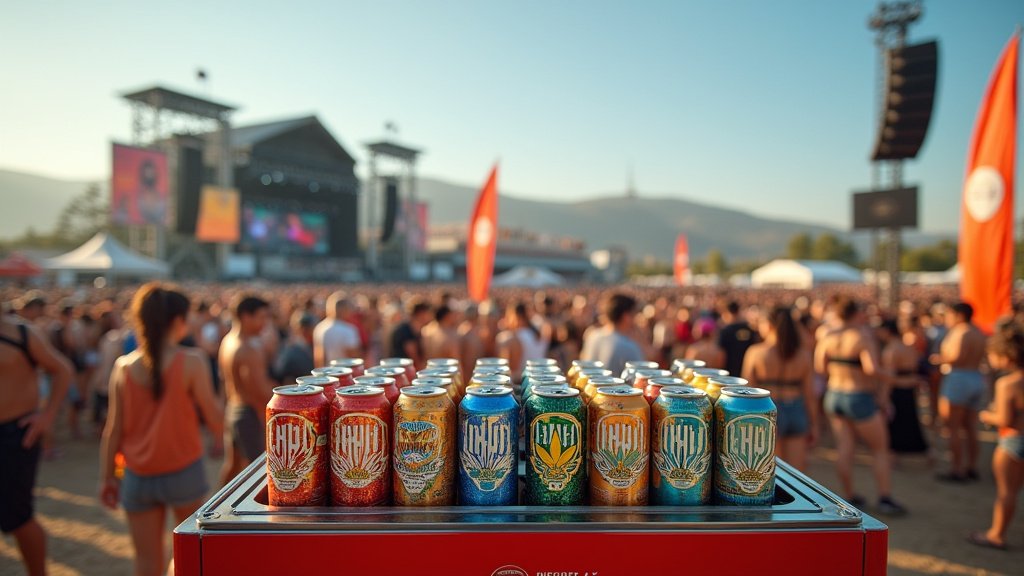
The 73% revenue jump announced by RYTHM, Inc. in its second-quarter earnings report marks a pivotal moment for the burgeoning cannabinoid-infused beverage sector. Historically, cannabis consumption at live events was relegated to the periphery—clandestine and often discouraged. RYTHM’s latest financial data suggests a tectonic shift, as the company has successfully integrated its products into the mainstream festival economy. By securing partnerships with heavyweights like Lollapalooza and the Opry Entertainment Group, RYTHM is moving beyond niche distribution models and into the high-traffic, high-volume environment of experiential entertainment.
The Lollapalooza and Opry Connection: A Cultural Shift
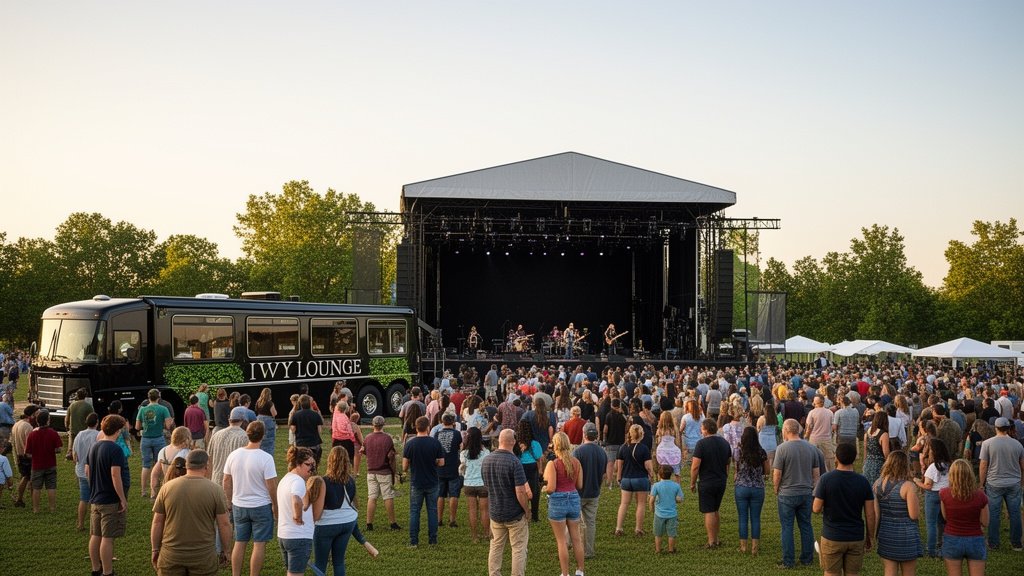
The partnership with Lollapalooza—a global hallmark of music culture—serves as the flagship for RYTHM’s strategy. By positioning itself as the “official” beverage partner, the company is not merely selling a product; it is capturing market share from traditional alcohol brands in the lucrative adult beverage market. This strategy was mirrored by the alliance with the Opry Entertainment Group, which bridges the gap between modern cannabis consumption and legacy entertainment institutions. Analysts observe that these collaborations signal a normalization of THC beverages, suggesting that event organizers are increasingly viewing these products as a standard, socially acceptable alternative to traditional craft beer or spirits, particularly among Gen Z and Millennial demographics.
Regulatory Headwinds: The Shadow Over the Growth
While the financial results are undeniably positive, the shadow of regulatory inconsistency looms large. During the earnings call, RYTHM’s executives were careful to manage expectations, repeatedly citing the complex, fractured landscape of state and federal regulations. The core issue remains the classification of THC-infused beverages, which currently exists in a legislative grey area. Unlike alcohol, which benefits from clear, uniform regulation, the THC beverage market is subject to a patchwork of local mandates, FDA scrutiny, and varying state laws regarding possession, distribution, and labeling.
This “regulatory uncertainty” is not just a footnote in the annual report; it is a structural operational constraint. The company is currently forced to maintain hyper-local supply chains to comply with state-by-state requirements, which prevents the economies of scale that more established beverage categories enjoy. If federal legislation continues to stall, RYTHM will likely face continued high overheads associated with navigating these compliance hurdles.
Market Sentiment & Future Outlook
Looking toward the back half of 2026, the question for investors is whether this 73% growth rate is sustainable. The company’s focus on high-visibility event partnerships suggests a “growth at all costs” strategy, aiming to cement brand loyalty before regulators can effectively cap the market. However, the reliance on major venues exposes the company to risks inherent in the live event industry—potential cancellations, fluctuating attendance, and shifts in festival culture.
Furthermore, the competition is intensifying. As RYTHM proves the profitability of the model, incumbent beverage giants are beginning to eye the space with predatory interest. For RYTHM to maintain its current trajectory, it must leverage its existing partnerships to create a “moat” of consumer loyalty, ensuring that the brand is synonymous with the festival experience itself, regardless of what competitors might offer. The company’s ability to maintain its margin while navigating the legal minefield will be the ultimate test of its leadership in the coming quarters.
FAQ: People Also Ask
Q: What is the primary reason for RYTHM, Inc.’s revenue growth?
A: The primary driver for the 73% revenue growth in Q2 2026 is the successful strategic pivot into high-visibility, exclusive partnerships with major live entertainment venues and events, specifically Lollapalooza and the Opry Entertainment Group.
Q: What regulatory risks does RYTHM, Inc. face?
A: The company faces ongoing challenges due to the lack of clear federal guidance on THC-infused beverages. This creates a fragmented regulatory landscape where state and local laws often conflict, leading to higher operational costs and uncertainty regarding future distribution.
Q: Are THC beverages replacing alcohol at these venues?
A: While not entirely replacing alcohol, RYTHM’s partnerships signal a growing market shift where THC-infused beverages are being positioned as a viable, socially accepted alternative to alcohol in the live entertainment and music festival space.
Q: How does the Opry Entertainment partnership impact RYTHM’s brand image?
A: The partnership with the Opry Entertainment Group is a significant play for cultural legitimacy, helping to shift the brand’s perception from a “niche” cannabis product to a mainstream, sophisticated beverage option suitable for established, historic entertainment environments.