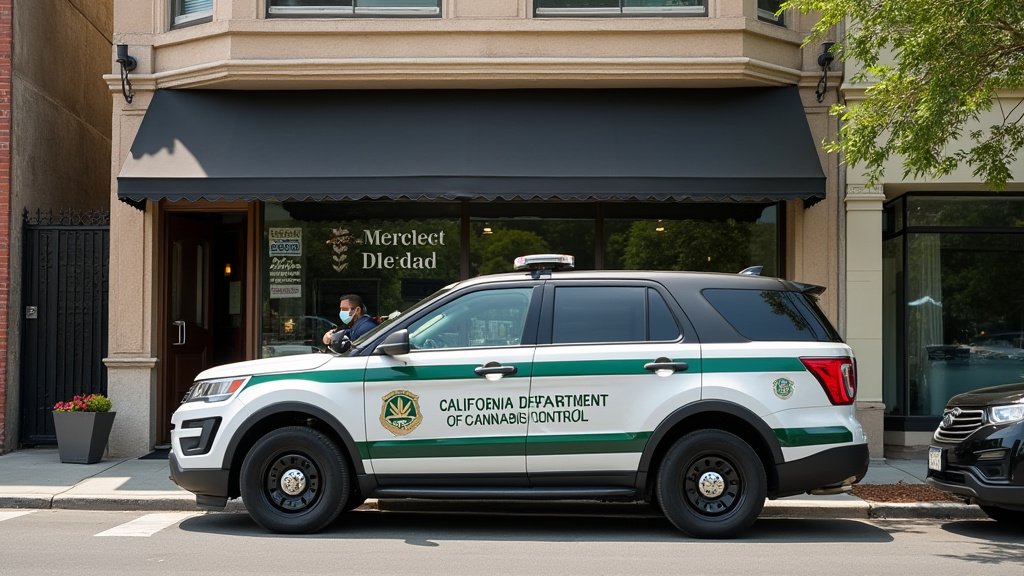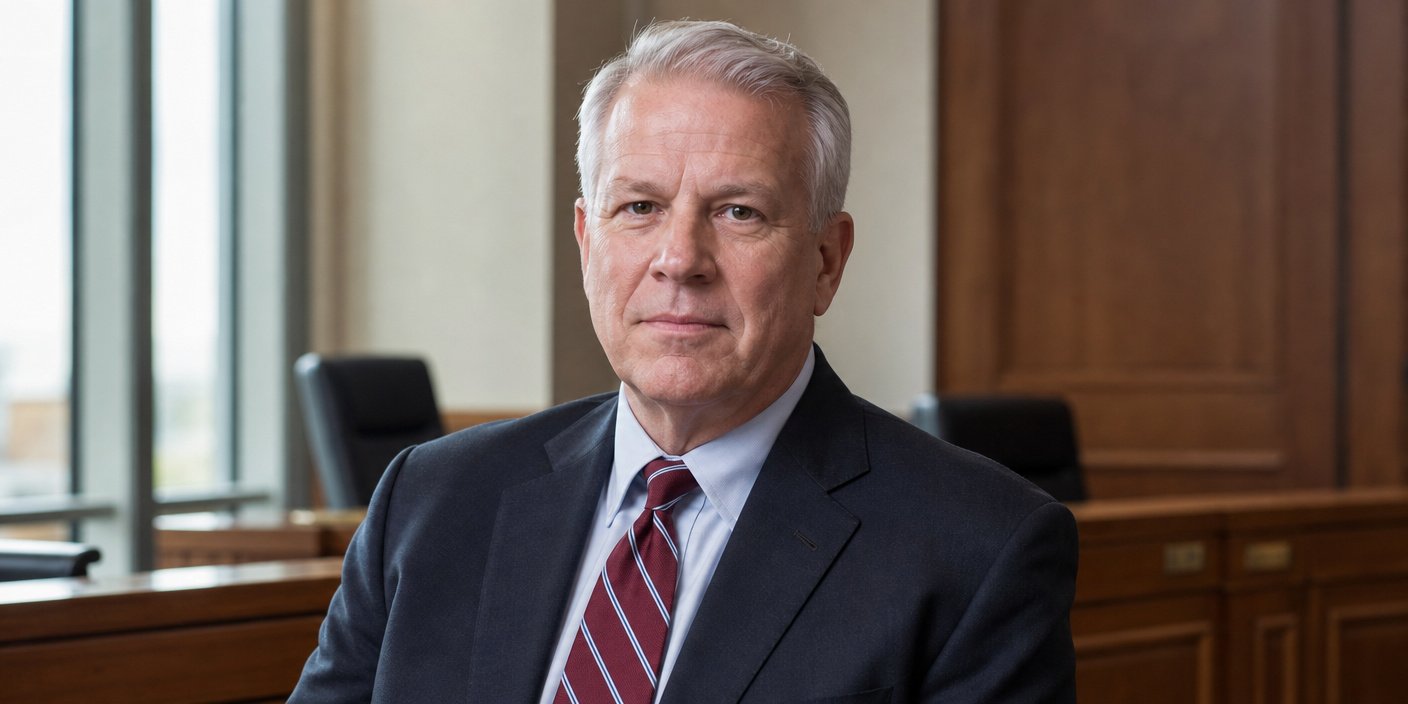
Vermont Lt. Gov. John Rodgers has officially reached a settlement with the state’s Cannabis Control Board (CCB), resolving outstanding regulatory violations related to his private cannabis cultivation enterprise. The agreement, which includes a reduced financial penalty, marks the conclusion of a high-profile inquiry into the Lt. Governor’s business practices, with Rodgers characterizing the infraction as an unintentional, minor administrative oversight rather than a systemic failure of compliance.
Key Highlights
- Regulatory Resolution: John Rodgers has entered a binding settlement agreement with the Vermont Cannabis Control Board to resolve compliance violations.
- Fine Reduction: Following negotiations, the state has agreed to reduce the initial financial penalty levied against Rodgers’ cultivation business.
- Administrative Oversight: Rodgers has maintained that the issues in question stemmed from unintentional administrative errors rather than intentional malpractice.
- Commitment to Compliance: The settlement outlines a path forward that includes stricter adherence to the board’s reporting and operational protocols.
Navigating the Complexities of Vermont’s Cannabis Regulation
The cannabis industry in Vermont, while economically promising, operates under a rigid and evolving framework overseen by the Cannabis Control Board (CCB). For entrepreneurs like Lt. Gov. John Rodgers, the transition from legislative leadership to private-sector cannabis cultivation presents a unique set of challenges. The regulatory landscape is designed to ensure safety, tracking, and tax compliance, but the complexity of these laws often creates friction for even the most diligent business owners.
The Nature of the Infraction
At the heart of the settlement is a series of procedural discrepancies involving the tracking of cannabis inventory. In the legal cannabis sector, “seed-to-sale” traceability is the cornerstone of regulatory enforcement. Even minor gaps in reporting—such as clerical delays in updating inventory logs or discrepancies in plant count reporting—can trigger aggressive enforcement actions from the CCB. Rodgers’ case highlights a broader trend where business owners, including those in high-profile public positions, find themselves navigating the nuances of a young regulatory agency that is still refining its enforcement methodology.
The Path to Settlement
The negotiation process between Rodgers and the CCB underscores the importance of cooperation in regulatory disputes. By opting for a settlement rather than prolonged litigation or a public contested hearing, the Lt. Governor has demonstrated a pragmatic approach to conflict resolution. The reduced fine, while not fully disclosed in its absolute dollar value to the public in every specific detail, signifies that the Board acknowledged the unintentional nature of the errors while still upholding the necessity of accountability. This move is viewed by industry analysts as a standard administrative “course correction,” common in nascent industries where regulations are frequently updated.
The Intersection of Public Office and Private Enterprise
When a sitting official participates in a high-growth industry like cannabis, every business action is scrutinized through a political lens. The scrutiny faced by Rodgers is illustrative of the “goldfish bowl” reality of public service. Critics and supporters alike often debate the appropriateness of public officials maintaining private business interests, particularly in industries heavily regulated by the state.
Accountability and Transparency
Rodgers has been vocal about the importance of transparency throughout this process. By acknowledging the oversight and accepting the reduced penalty, he has attempted to mitigate potential political fallout. For the cannabis industry, this serves as a case study in how public figures must maintain a higher standard of “administrative hygiene” to avoid the perception of impropriety. The resolution of this case may actually serve to quiet critics who were concerned about potential preferential treatment; by paying the fine—even a reduced one—Rodgers has submitted to the authority of the CCB just as any other private business owner would be expected to do.
Lessons for the Industry
Beyond the political implications, this incident offers a vital lesson for other cannabis cultivators in Vermont: the CCB is strictly enforcing its operational mandates. The agency, tasked with ensuring the integrity of the state’s legal cannabis market, has shown it will pursue regulatory actions regardless of the business owner’s status. For the industry, this reinforces the need for robust compliance infrastructure. Businesses are increasingly hiring dedicated compliance officers to navigate these specific reporting requirements, moving away from the “start-up, learn-as-you-go” approach that likely contributed to Rodgers’ initial difficulties.
Future Implications
As the Vermont cannabis market matures, the legislative approach to enforcement may shift. There is ongoing discussion within the statehouse regarding whether the current penalty structures are too punitive for administrative errors that do not involve public safety risks. Rodgers, given his position in the Lieutenant Governor’s office, may find himself uniquely positioned to advocate for regulatory clarity in the coming legislative sessions—provided he frames his experience as one of educational growth rather than defensive maneuvering.
FAQ: People Also Ask
1. What specifically was the violation at John Rodgers’ business?
The violation primarily involved administrative errors in tracking and reporting requirements as mandated by the Cannabis Control Board. Rodgers characterized these as unintentional oversights rather than intentional attempts to bypass state regulations.
2. Why was the fine reduced?
Settlements in regulatory enforcement are common. The Cannabis Control Board often agrees to reduced penalties when the business owner demonstrates cooperation, admits to the procedural error, and implements corrective measures to ensure future compliance.
3. Will this affect John Rodgers’ standing in the Lieutenant Governor’s office?
There is no evidence to suggest this will affect his political standing. The issue was deemed an administrative compliance matter rather than a criminal or ethical breach of his public office, and settling the matter effectively concludes the dispute.
4. What is the role of the Vermont Cannabis Control Board (CCB)?
The CCB is the regulatory body responsible for implementing and enforcing laws regarding the cultivation, processing, and sale of cannabis in Vermont. They have broad authority to issue fines and revoke licenses for non-compliance.