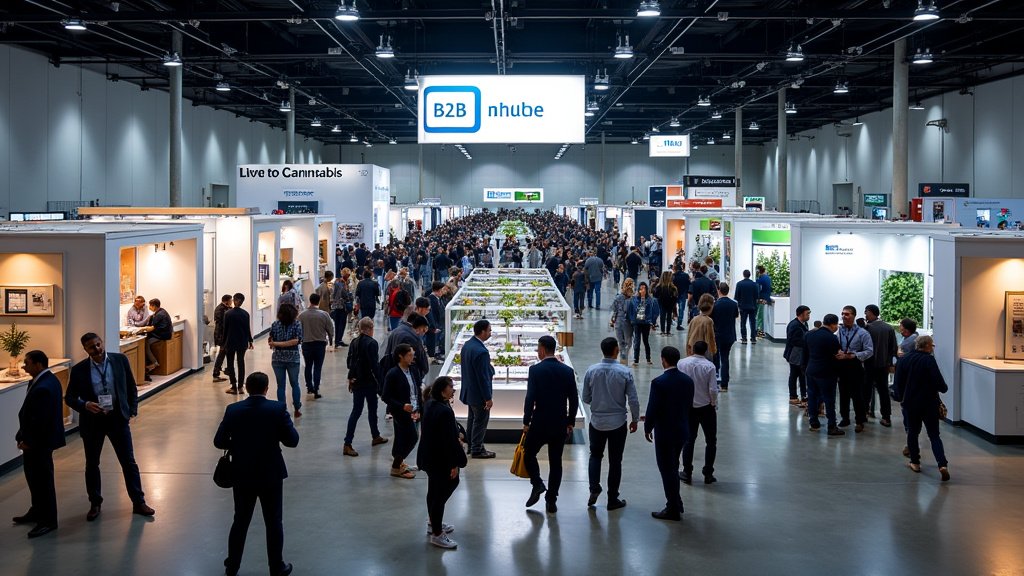
South Korea finds itself increasingly out of step with global shifts in cannabis policy, grappling with outdated regulations that severely restrict access for patients, stifle domestic innovation, and strain its public healthcare system. Despite a partial legalization of medical cannabis in 2018, the country’s stringent approach, which continues to classify even non-psychoactive compounds like CBD as narcotics, is creating a policy paradox. This rigid stance is not only hindering the development of a burgeoning industry but is also pushing vulnerable patients towards unregulated and potentially dangerous alternatives, according to lawmakers and experts.
A History of Strict Prohibition
Cannabis has a long history in Korea, traditionally used for fabric and medicinal purposes. However, the mid-20th century saw a dramatic shift towards prohibition. The Narcotics Act of 1957, followed by the Cannabis Control Act of 1976, cemented cannabis’s status as a forbidden narcotic, a stance largely influenced by global anti-drug movements of the era. This across-the-board ban remained largely unchanged until recent years.
A Glimmer of Hope: Partial Medical Legalization
In November 2018, South Korea made history by becoming the first country in East Asia to partially legalize medical cannabis. This significant amendment to the Narcotics Control Act allowed for the use of specific, approved cannabis-derived medications for patients with certain rare diseases. The legalization was driven by a growing recognition of the therapeutic potential of compounds like CBD for conditions such as epilepsy, Parkinson’s disease, and cancer-related symptoms.
Navigating Bureaucratic Hurdles: The Patient’s Struggle
Despite this legal advancement, accessing these treatments remains an arduous journey for patients. South Korea’s medical cannabis framework is exceptionally restrictive. Patients must obtain a doctor’s prescription and undergo a rigorous, case-by-case approval process involving multiple government bodies, including the Ministry of Food and Drug Safety and the Korea Orphan Drug Center. Only a handful of medications, such as Epidiolex for epilepsy and Sativex for multiple sclerosis, are permitted, with the plant itself and its natural derivatives still unapproved.
For many, the high cost remains a significant barrier, even with government subsidies and national health insurance coverage. Patients often need to exhaust numerous other treatment options before qualifying for insurance support, a process that can take years and is fraught with side effects. This leaves many facing substantial out-of-pocket expenses, forcing some to rely on expensive imported drugs or, worse, seek unregulated products from illicit sources. The lack of domestic clinical trials further compounds the issue, limiting research and development within the country.
Stifled Innovation and Missed Economic Opportunities
The current regulatory environment severely handicaps the burgeoning domestic cannabis industry. Korean companies possess advanced technology for extracting high-purity CBD, yet they are legally barred from manufacturing or selling products containing it due to its classification as a narcotic. This regulatory bottleneck prevents the development of new pharmaceuticals and wellness products, causing South Korea to miss out on the rapidly growing global medical cannabis market, which is projected to reach tens of billions of dollars in the coming years.
While the designation of certain regions as ‘hemp regulatory free zones’ has been presented as a step forward, critics argue these are mere ‘half-measures’ that fail to address the core prohibitions. The country’s reliance on imports for approved medical cannabis also places an increasing and unsustainable burden on its national health insurance system.
A Global Trend South Korea Is Lagging Behind
Globally, there has been a significant policy shift towards recognizing the medical and economic potential of cannabis. Even the United Nations’ drug control bodies have moved to reclassify cannabis, signaling a global trend towards deregulation and medical acceptance. Countries like the United States, Canada, Japan, and Australia have all eased restrictions, fostering research, development, and a thriving industry.
The Imperative for Reform
Lawmakers and health experts are increasingly vocal, warning that South Korea’s rigid adherence to outdated drug laws is detrimental. They emphasize that reform is no longer solely an industrial issue but a matter of protecting public health, reducing financial waste, and aligning with international progress. The current news surrounding these events highlights the urgent need for the Ministry of Health and Welfare to modernize the nation’s drug laws to benefit patients, foster innovation, and secure economic opportunities in a rapidly evolving global landscape. Without such changes, South Korea risks falling further behind, perpetuating patient suffering and economic stagnation.
Keywords: trending, cannabis, events, news.