In the heart of the Pacific Northwest, where the air is often as misty as the reputation of its most famous industry, April 20th has evolved into something far beyond a counter-cultural tradition. In Eugene, Oregon, 4/20 is now effectively the “Black Friday” of the cannabis sector—a retail juggernaut that generates unprecedented foot traffic, pushes dispensary infrastructure to its limits, and serves as a critical barometer for the health of the local market. While the date holds symbolic weight for advocates and enthusiasts, the commercial reality for Eugene’s densest-in-the-nation cluster of dispensaries is a high-stakes, 24-hour sprint that dominates the local economic calendar.
Key Highlights
- Retail Surge: Local dispensaries report as much as 400% (quadruple) the foot traffic of a standard business day, cementing the holiday’s status as the industry’s peak revenue event.
- Dispensary Hopping: Unlike typical shopping days, 4/20 triggers a unique consumer behavior pattern where customers visit multiple locations to maximize deals and experience specific store atmospheres.
- Strategic Saturation: Eugene’s highly competitive, oversaturated market necessitates aggressive promotional strategies, including swag bags, prize wheels, and massive discounts of up to 50%.
- Eventization of Sales: Beyond mere transactions, shops are increasingly shifting toward “eventized” marketing—hosting local bands, food trucks, and vendor pop-ups to create a community festival atmosphere that drives brand loyalty.
The Evolution of the High Holiday
For decades, 4/20 was defined by public gatherings, protest-adjacent celebrations, and informal smoke-outs. However, as legalization has taken hold across the West Coast, the holiday has undergone a distinct institutionalization. In Eugene, a city widely recognized for its long-standing relationship with cannabis culture, the transition from “protest” to “prime time” has been stark.
Industry insiders point to this shift as a direct response to the economics of a mature, legal market. With cannabis dispensaries located every few blocks in many parts of the city, the competition for the consumer dollar is fierce. On April 20th, that competition reaches a boiling point. Retailers no longer rely on the holiday’s inherent cultural gravity; they manufacture their own gravitational pull through high-level event coordination, exclusive product drops, and aggressive pricing strategies that mimic the retail intensity of traditional Black Friday shopping.
Data-Driven Enthusiasm
According to reports from dispensary operators across Eugene, the “Black Friday” label is not mere hyperbole. The sheer volume of transactions observed on April 20th—and in the days leading up to it—represents a significant portion of the annual sales floor. For independent shop owners, these 24 hours are vital. It is a period where inventory velocity increases dramatically, allowing stores to clear out older stock and rotate in new product lines while securing the cash flow necessary to navigate the often-sluggish summer months.
The “Dispensary Hop” Phenomenon
One of the most distinct cultural shifts observed in Eugene this year is the rise of the “dispensary hop.” Rather than adhering to a single “home base,” savvy consumers are treating 4/20 as a scavenger hunt. By mapping out the best deals and the most interesting events, customers are moving from one end of town to the other, essentially curating a day-long experience. This movement has forced dispensaries to not only compete on price but on the “vibe”—a combination of store aesthetic, budtender expertise, and exclusive offerings.
Market Saturation and the Survival of the Creative
Eugene’s cannabis market is, by many accounts, oversaturated. The ease of access—you can walk 20 minutes in almost any direction in the city and encounter a retail outlet—has forced a level of innovation that is rare in less competitive markets. On 4/20, this creates an environment where a simple discount is no longer enough to win the customer.
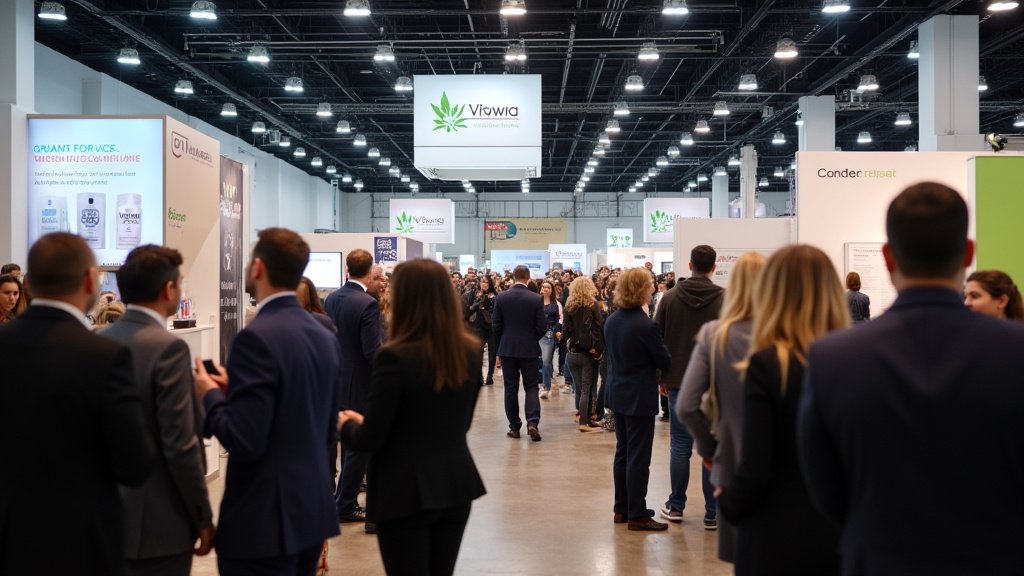
We are seeing a trend toward the “Eventized Retail” model. Shops are partnering with local food vendors, hiring live DJs, and creating elaborate, themed environments. Whether it is a science-fiction-inspired store layout or a pop-up garden party, the goal is to make the dispensary a destination, not just a place of commerce. This reflects a broader trend in the industry where the product itself—while important—is increasingly commoditized. The differentiator is the customer experience. By creating a festival atmosphere, retailers are successfully turning a one-day sale into a brand-building exercise that keeps customers coming back long after the 4/20 smoke has cleared.
Economic Implications and Policy Context
It is important to view this surge through the lens of Oregon’s broader economic landscape. The cannabis industry serves as a major tax revenue stream for the state and local municipalities, funding substance abuse prevention, mental health support, and education. When dispensaries thrive on 4/20, the downstream impact is felt in the public coffers.
However, this prosperity is not without its challenges. The high cost of compliance, coupled with stringent state regulations, creates a difficult ceiling for small businesses. The holiday rush provides a necessary “cushion” against these pressures, but it also underscores the fragility of the sector. The reliance on this single day for significant market movement highlights the need for consistent, year-round policy support for the cannabis industry, ensuring that these businesses can remain viable even outside of their peak holiday season.
FAQ: People Also Ask
Q: Why is 4/20 considered the “Black Friday” of the cannabis industry?
A: It is referred to as the Black Friday of cannabis because it consistently records the highest single-day sales volume of the entire year. Similar to the traditional retail Black Friday, dispensaries use this day to offer their deepest discounts and exclusive promotions to drive maximum foot traffic and clear inventory.
Q: Why does Eugene, Oregon, have such a distinct cannabis market?
A: Eugene has a long-standing history of cannabis culture and a relatively permissive local regulatory environment that has led to a high density of retail locations. This oversaturation creates a highly competitive “buyer’s market” where businesses are forced to innovate with events, unique branding, and aggressive service to stand out.
Q: How do dispensaries prepare for the rush?
A: Preparation usually begins months in advance. It involves stocking up on high-turnover items like pre-rolls, assembling “swag bags” with promotional items, coordinating with vendors for exclusive product drops, and hiring extra staff to handle the increased foot traffic to ensure smooth operations throughout the day.
Q: Are there risks to this retail-focused approach?
A: While the revenue is a boon for retailers, the primary risk is market exhaustion. Because the industry relies so heavily on this specific date, a slow 4/20 due to external factors (like bad weather or economic downturns) can significantly hurt a dispensary’s annual financial projections. Additionally, the intense competition can push smaller, independent shops to the brink if they cannot match the marketing budgets of larger chains.