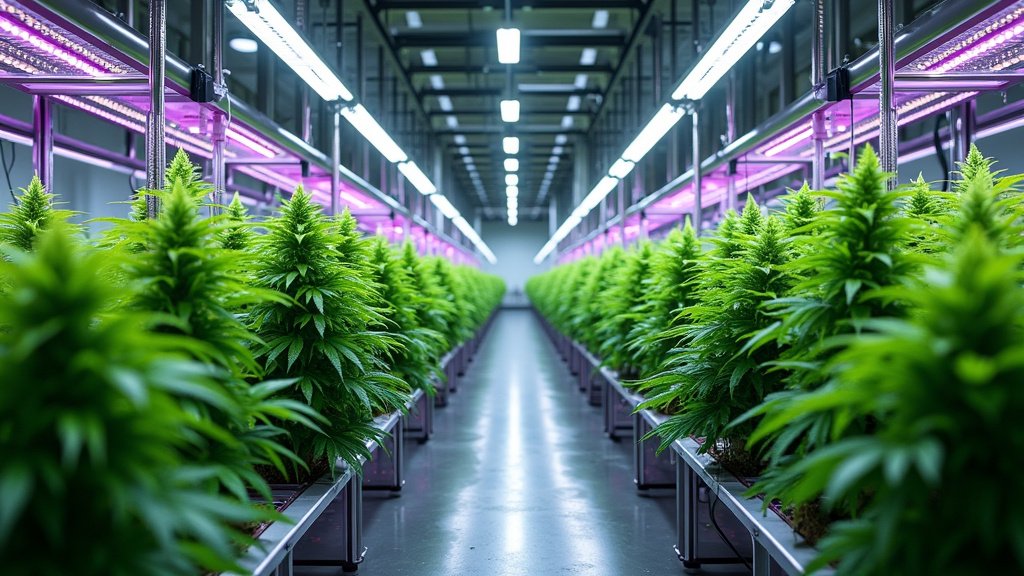
In an era where agricultural efficiency is paramount, a significant advancement in greenhouse management is making waves, particularly within the burgeoning cannabis industry. Soteng Company, a firm with over 15 years of expertise in manufacturing greenhouse equipment, has unveiled a system capable of managing extensive cultivation areas—up to 10,000+ square meters—using an impressively minimal number of wires. This innovation signals a critical step forward in reducing complexity and increasing reliability in large-scale horticultural operations, marking a significant piece of trending news for the sector.
The “Few Wires” Revolution: Simplifying Large-Scale Control
At the heart of Soteng’s claim is their implementation of an RS-485 communication system. This robust serial communication standard allows for efficient data exchange across vast distances with fewer cables than traditional point-to-point wiring setups. For commercial growers, particularly those operating extensive greenhouse facilities, this translates directly into reduced installation costs, simplified maintenance, and a lower risk of signal interference. The ability to control a sprawling 10,000 square meter operation with just a handful of wires dramatically streamlines the infrastructure, making complex automation more accessible and manageable. Soteng emphasizes that despite the scale, their control systems are designed to be intuitive and user-friendly, ensuring that even large-scale systems are straightforward to operate.
Engineered for High-Value Crops: A Focus on Cannabis Cultivation
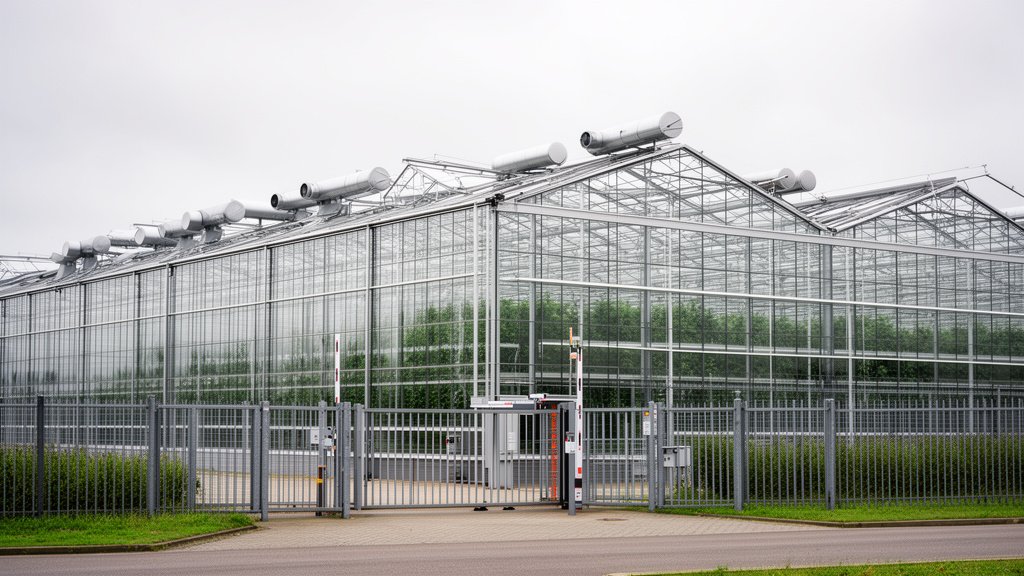
Soteng Company has carved out a niche by specializing in internal greenhouse equipment tailored for the horticultural industry, with a pronounced focus on infrastructure specifically designed for cannabis cultivation. This highly regulated and rapidly expanding market demands precision, efficiency, and scalability, all of which Soteng’s solutions aim to provide. Their most sought-after projects include advanced seedling factories, efficient hydroponic setups, and sophisticated vertical cannabis cultivation systems. These integrated tools are meticulously engineered to optimize critical factors such as space utilization, resource consumption, and overall yield, directly addressing the unique requirements of cannabis growers.
The durability and longevity of these systems are also a key consideration. Soteng constructs its infrastructure using high-grade materials like aluminum alloy, stainless steel, and ABS plastic. These components undergo specialized surface treatments to enhance their durability and corrosion resistance, ensuring long-term reliability in the demanding, humid environments typical of modern greenhouses. Furthermore, their integrated climate control systems incorporate IoT capabilities, allowing growers to monitor and precisely manage environmental conditions, a crucial aspect for consistent crop quality and healthy plant development.
The Broader Landscape of Smart Horticulture Automation
Soteng’s innovation is part of a broader, rapidly accelerating trend towards automation in agriculture. The global agricultural robots market is experiencing significant growth, projected to increase at a compound annual growth rate (CAGR) of 20.6% from 2023 to 2030. This expansion is driven by the urgent need to boost food production, mitigate labor costs, and improve crop yields across the board.
Modern greenhouse equipment and control systems, such as those offered by companies like HortiMaX and Argus Control, are leveraging advanced sensors, artificial intelligence algorithms, and integrated platforms to automate everything from irrigation and lighting to climate control and nutrient delivery. These smart systems can even incorporate CCTV cameras for remote monitoring, drones for aerial plant health assessments, and, in some cases, robotic harvesters for gentle picking. The overarching goal is to streamline various farming processes, significantly reducing the need for manual labor and minimizing human error, which ultimately leads to more consistent and higher-quality crop yields.
Technologies like vertical farming and hydroponics, which are central to Soteng’s offerings, are particularly impactful in maximizing space efficiency—allowing for up to 10 times more crops per square meter compared to traditional methods—and dramatically reducing water consumption by as much as 90%. This efficiency is critical for urban farming initiatives and for cultivating high-value crops like cannabis sustainably.
The Future of Efficient Cultivation
The move towards simplified wiring and highly integrated control systems, exemplified by Soteng’s solutions, underscores a fundamental shift in how commercial horticulture approaches large-scale operations. By optimizing resource use and enhancing operational intelligence, these automated tools contribute significantly to more sustainable agricultural practices. For the cannabis industry, in particular, such innovations provide the foundation for consistent, high-quality production while also addressing the industry’s need for efficiency and cost-effectiveness in a competitive market. As technology continues to advance, the future of farming appears increasingly automated, interconnected, and impressively streamlined.