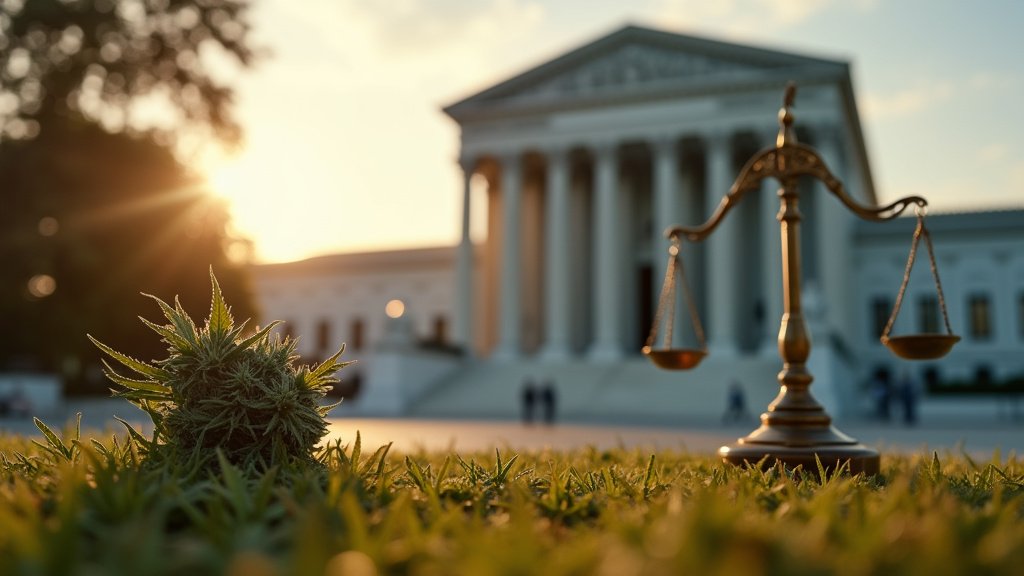
The Supreme Court is currently deliberating on a complex and increasingly relevant issue: the intersection of cannabis consumption and gun ownership. This critical matter, which is garnering significant attention from legal experts and the public alike, is just one facet of the rapidly evolving legal landscape surrounding cannabis in the United States. This information comes from a newsletter format dated July 28, 2025, offering a snapshot of the developments shaping the future of cannabis policy.
Supreme Court Weighs In
At the heart of the matter lies the question of whether individuals who use cannabis, even in states where it is legal, should be restricted from owning firearms. Federal law currently prohibits users of controlled substances, including cannabis, from possessing guns. However, the legal complexities arise from the growing divergence between federal and state laws. With a significant number of states having legalized cannabis for either medical or recreational use, a conflict has emerged between state-level permissions and the federal prohibition. The Supreme Court’s consideration of this issue will likely have far-reaching implications, potentially reshaping gun control laws and impacting the rights of millions of Americans. The court’s decision could clarify the relationship between federal and state laws concerning cannabis and gun ownership, providing critical guidance for lower courts and law enforcement agencies across the country.
Texas Considers Cannabis Legislation
Beyond the Supreme Court’s deliberations, the newsletter provides insight into ongoing legislative efforts at the state level. Of particular note is the filing of a Texas cannabis legalization bill, a move that comes during a hemp-focused special session. This development underscores the continued push for cannabis reform, even in states with traditionally conservative stances on the issue. The bill’s introduction during a special session dedicated to hemp suggests a strategic approach, potentially leveraging the existing regulatory framework for hemp to pave the way for broader cannabis legalization. The outcome of this bill will be closely watched, potentially setting a precedent for other states considering similar measures.
Judicial and Administrative Shifts
The newsletter also highlights significant changes within the judiciary and administrative branches. One key development is the retirement of the judge overseeing the cannabis rescheduling process. This transition could have a notable impact on the timeline and direction of cannabis policy. The judge’s successor will likely be tasked with navigating the complex legal and scientific arguments surrounding the classification of cannabis, potentially influencing decisions about its scheduling under federal law. Furthermore, the confirmation of Trump’s DEA pick as cannabis rescheduling awaits also presents a critical turning point. The DEA’s stance on rescheduling is of immense importance as it directly impacts the legal status of cannabis at the federal level. The confirmed pick’s approach to rescheduling could accelerate or hinder the process, affecting access to cannabis and research opportunities.
Medical Cannabis as an Opioid Alternative
In addition to these developments, the newsletter also features the promotion of medical cannabis as a potential alternative to opioids by various senators. This reflects a growing recognition of the potential therapeutic benefits of cannabis, especially in managing chronic pain and reducing reliance on opioid-based medications. The push for medical cannabis as an opioid alternative is significant, particularly given the ongoing opioid crisis in the United States. By advocating for cannabis as a safer and less addictive option, senators aim to provide patients with alternative treatment options and contribute to efforts to mitigate the devastating effects of the opioid epidemic.
Broader Implications and Future Outlook
The issues covered in this July 28, 2025 newsletter reflect a pivotal moment in the evolution of cannabis policy. The Supreme Court’s involvement, coupled with legislative initiatives and shifts within the judiciary, paints a picture of a rapidly changing legal and social landscape. These developments underscore the need for continued dialogue, research, and policy adjustments to address the complex interplay of cannabis use, individual rights, and public health concerns. The decisions made in the coming months and years will undoubtedly shape the future of cannabis in the United States and beyond.