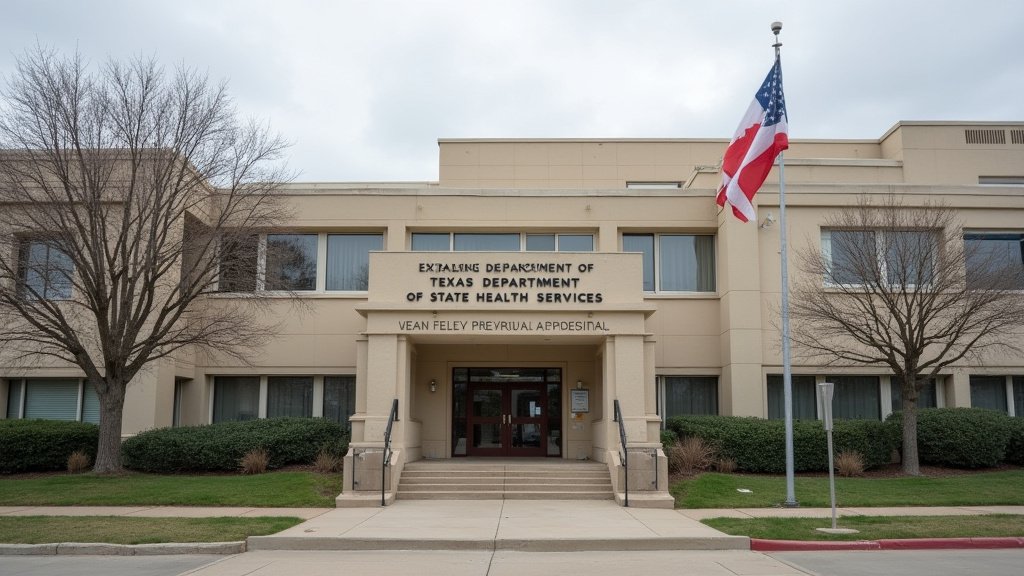
Effective July 31, 2026, the Texas Department of State Health Services (DSHS) has fundamentally altered the commercial landscape for retailers and consumers by reinstating controlled-substance definitions that effectively reclassify Delta-8 THC and other non-Delta-9 THC isomers. This regulatory pivot, triggered by a pivotal Texas Supreme Court ruling, marks a significant departure from the permissive atmosphere that has characterized the state’s hemp market since the passage of House Bill 1325. As businesses scramble to purge inventory and legal experts analyze the implications, the state enters a new era of strict oversight regarding hemp-derived cannabinoids.
Key Highlights
- Effective Date: July 31, 2026, marks the immediate enforcement of the new controlled-substance definitions by the Texas DSHS.
- Scope of Impact: The policy directly targets Delta-8 THC and various synthetic or modified non-Delta-9 THC isomers, moving them out of the “hemp” exemption and into restricted categories.
- Legal Catalyst: The shift follows a specific Texas Supreme Court ruling that clarified the limitations of the state’s hemp exemption, forcing the DSHS to update its regulatory posture.
- Industry Transition: Retailers are facing an immediate mandate to align product inventories with the new statutory definitions or risk severe penalties under state health and safety laws.
Navigating the Legal Shift in Texas Hemp Laws
The landscape of Texas hemp laws has remained a volatile battleground for years, but the July 31, 2026, enforcement date represents a definitive “hard stop” for the state’s burgeoning gray market for intoxicating hemp products. For years, retailers relied on the ambiguity of the 2019 legislation—House Bill 1325—which legalized hemp by defining it as cannabis with less than 0.3% Delta-9 THC. This broad definition allowed manufacturers to synthesize cannabinoids like Delta-8 and Delta-10 from hemp, creating a loophole that exploded in popularity across the Lone Star State.
The Role of the Texas Supreme Court
The genesis of this change lies in the judicial branch. The Texas Supreme Court’s recent ruling underscored a strict textual interpretation of the state’s Controlled Substances Act. By scrutinizing the chemical definition of “hemp,” the court determined that the legislature did not explicitly grant blanket immunity to all isomers derived from cannabis. Instead, the court argued that the 2019 law was intended to create a pathway for industrial hemp and CBD oil, not to inadvertently legalize a wide array of psychoactive derivatives. This judicial intervention effectively tied the hands of the Texas DSHS, forcing the agency to align its rules with the strict letter of the law.
The Science of Isomers: Why Delta-8 is Targeted
To understand why this change matters, one must look at the chemistry. Isomers are molecules that share the same chemical formula but differ in structural arrangement. While Delta-9 THC is the primary psychoactive component of marijuana, Delta-8 THC is a related isomer that occurs naturally in minute quantities but is typically “converted” from CBD through chemical synthesis. DSHS officials have contended that because these isomers are chemically manipulated and produce psychoactive “highs,” they exceed the intended scope of the state’s agricultural hemp program. This scientific distinction is now the legal bedrock upon which the state is dismantling the supply chain for these products.
Economic Ripples Across the Texas Market
The economic consequences of this reclassification are profound. Thousands of smoke shops, vape retailers, and specialty cannabis stores across Texas have built their business models around the sale of Delta-8 and related “hemp-derived” intoxicants. For many, these products constituted a significant majority of their revenue. The mandate to clear these shelves by the end of July 2026 creates an immediate liquidity crisis for small business owners. Furthermore, wholesalers who supply these retailers are facing massive “stranded assets”—warehouses full of inventory that is now effectively contraband in the eyes of Texas law.
Compliance, Enforcement, and the Future
How will the state enforce this? The DSHS, in conjunction with local law enforcement, is expected to shift toward an inspection-heavy model. Retailers found with products containing controlled isomers after the July 31 deadline could face asset seizure, fines, and potential criminal charges under the Texas Health and Safety Code. This creates a high-stakes environment where compliance officers are now the most important employees in the Texas hemp industry. Looking ahead, industry lobbyists are already signaling a return to the legislative session in 2027 to seek a “clean-up” bill that might distinguish between naturally occurring and synthetic cannabinoids, but for now, the path forward is one of strict, unforgiving compliance.
FAQ: People Also Ask
1. Are all CBD products banned in Texas as of July 31, 2026?
No. The ban is specifically targeted at Delta-8 THC and other non-Delta-9 THC isomers that produce psychoactive effects. CBD products (cannabidiol) that do not contain these psychoactive isomers remain legal under existing hemp statutes.
2. What should retailers do with their existing Delta-8 inventory?
Retailers are advised to consult with legal counsel immediately. Generally, once a substance is reclassified as a controlled substance, continuing to possess or sell it constitutes a violation of the law. Disposing of the inventory in accordance with local waste guidelines is the standard recommendation, though specific protocols should be verified with the DSHS.
3. Will this affect medical marijuana patients?
No. Patients enrolled in the Texas Compassionate Use Program (TCUP) operate under a separate regulatory framework. Their access to low-THC cannabis for medical purposes is protected by statute and remains unaffected by these changes to the general hemp market regulations.