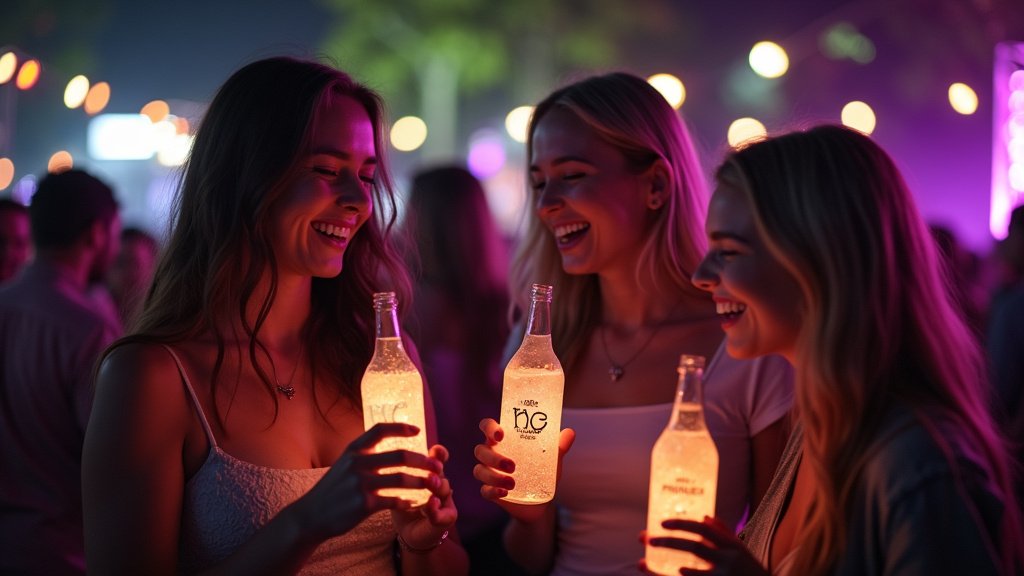
THC beverages are rapidly gaining popularity. They are becoming a favored alternative to alcohol. This trend is particularly evident at events. Many consumers seek new experiences. They want options beyond traditional drinks. Sales figures highlight this shift. In 2024, THC drink sales surpassed one billion dollars. Some reports project the market could reach $10 billion. This growth is significant. It signals a changing consumer landscape. Younger demographics lead this change. Millennials and Gen Z workers choose them often. They prefer these drinks for after-work activities. This includes happy hours and social gatherings. These consumers seek less caloric options. They also avoid alcohol’s negative effects. Hangovers are a major concern for them. THC drinks offer a milder buzz. They provide relaxation without the drawbacks of alcohol.
Events Embrace THC Alternatives
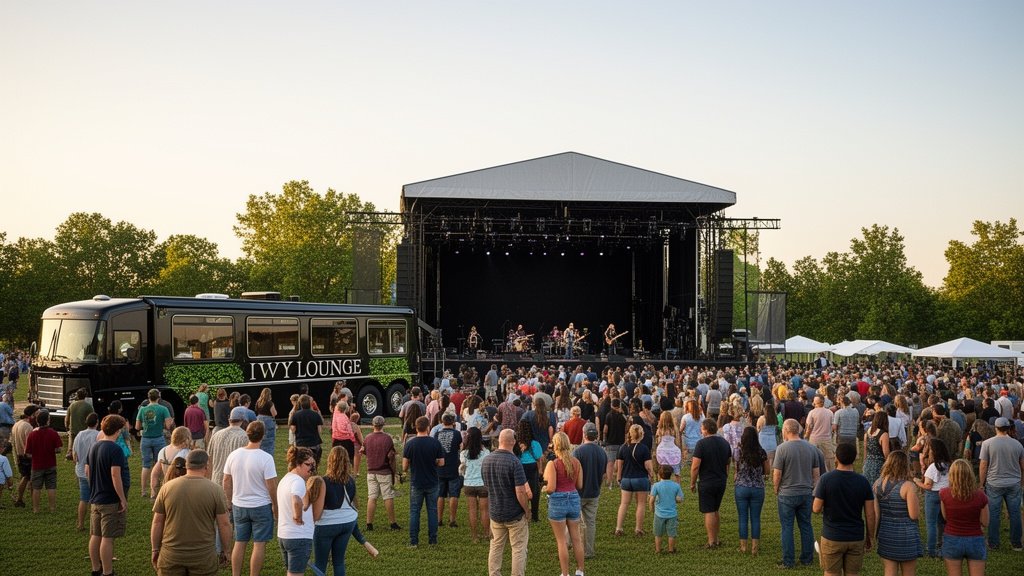
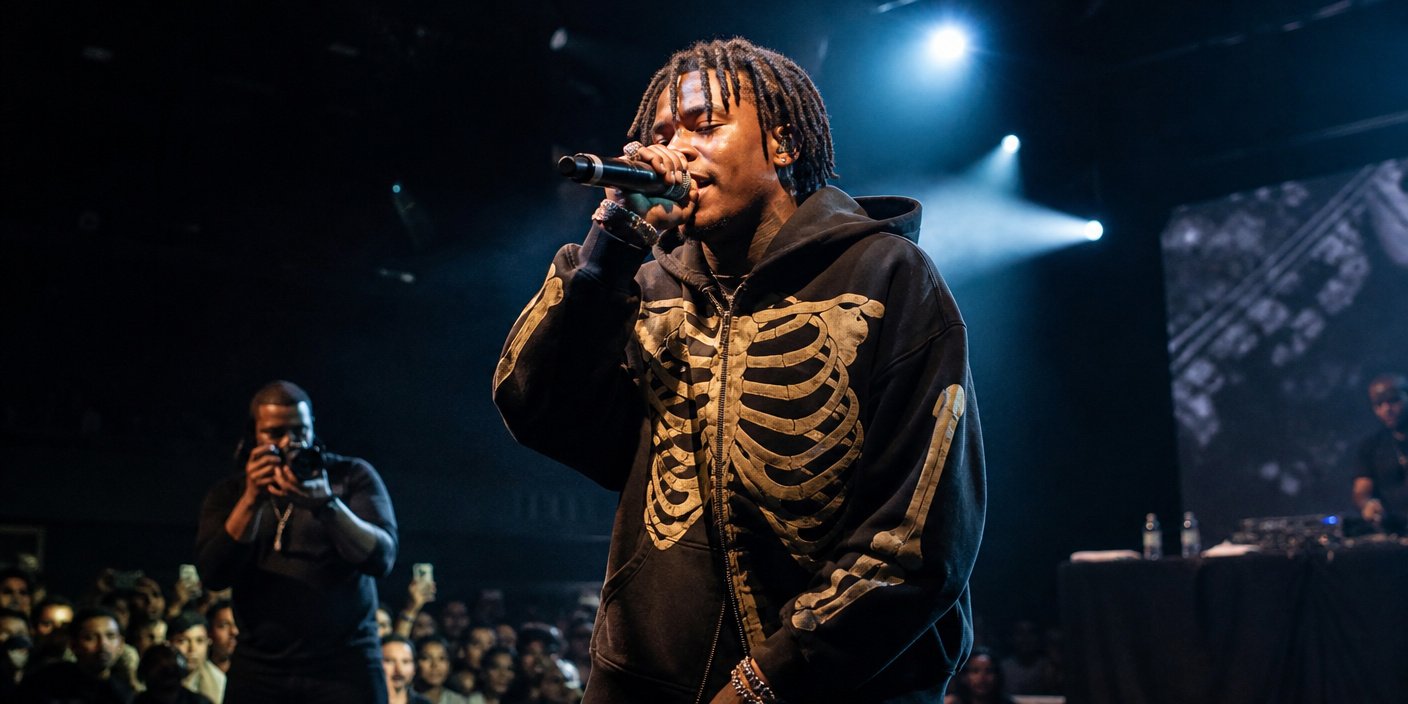
Music festivals and venues are embracing this trend. Brands like Cann and Drink Delta are partnering with them. Cann sponsored the Minnesota Yacht Club festival. It was the exclusive THC seltzer sponsor. Wynk partnered with Riot Fest in Chicago. This marked a first for a major U.S. music festival. Agrify will offer THC beverages at Chicago’s Salt Shed venue. These collaborations bring cannabis drinks to new audiences. They offer attendees a distinct choice. Event organizers see potential in this market. They aim to cater to evolving consumer tastes.
The Growing Market
The cannabis beverage market is expanding fast. One report estimated global sales at $2.04 billion in 2023. Projections suggest growth to $117 billion by 2032. Another forecast places the 2023 market at $1.16 billion. It could reach $3.86 billion by 2030. These numbers show a robust industry. North America leads this market. The U.S. market alone is substantial. THC itself dominates market segments. Non-alcoholic cannabis beverages are also popular. Brands offer various products. These range from seltzers to “spirit” alternatives. Many products feature low-dose THC. Dosages like 2-5 mg are common. This appeals to new users.
Federal Ban Looms Over Industry
However, a significant challenge looms. A federal ban on most hemp-derived THC products is approaching. This ban is set to take effect in November 2026. It stems from a provision in a recent federal spending bill. The new law redefines “hemp.” It shifts focus from delta-9 THC to “total THC”. This includes delta-8 THC and other isomers. Products will be limited to 0.4 mg of total THC per container. Synthetically produced cannabinoids are excluded. This ban affects many current hemp products. It impacts beverages, edibles, and more.
Industry Response and Uncertainty
This impending ban creates industry uncertainty. Businesses are scrambling to understand compliance. Some lawmakers seek to delay the ban. Senators are pushing for a two-year extension. This would allow more time for negotiation. The industry fears significant economic harm. Some worry about job losses and market disruption. The future of many hemp-derived products is unclear. Legal experts suggest state regulations will become more critical. States with existing cannabis markets may see shifts. Consumers might move to regulated state markets.
The Path Forward
Despite these challenges, the trend toward THC beverages continues. They offer a compelling alternative for many. Their presence at events is likely to grow. However, the evolving regulatory landscape is crucial. Brands must navigate these changes carefully. The industry’s growth hinges on adapting. Future news and policy will shape this dynamic market. The relationship between cannabis and events is still developing. It faces legal hurdles. Yet, consumer demand remains strong. This is a key news development for event planners. It impacts beverage choices for attendees. The search for alcohol alternatives is clear. THC drinks are part of this evolving story. Their integration into mainstream events is ongoing. The legal framework will determine their long-term role. The trending nature of these drinks is undeniable.