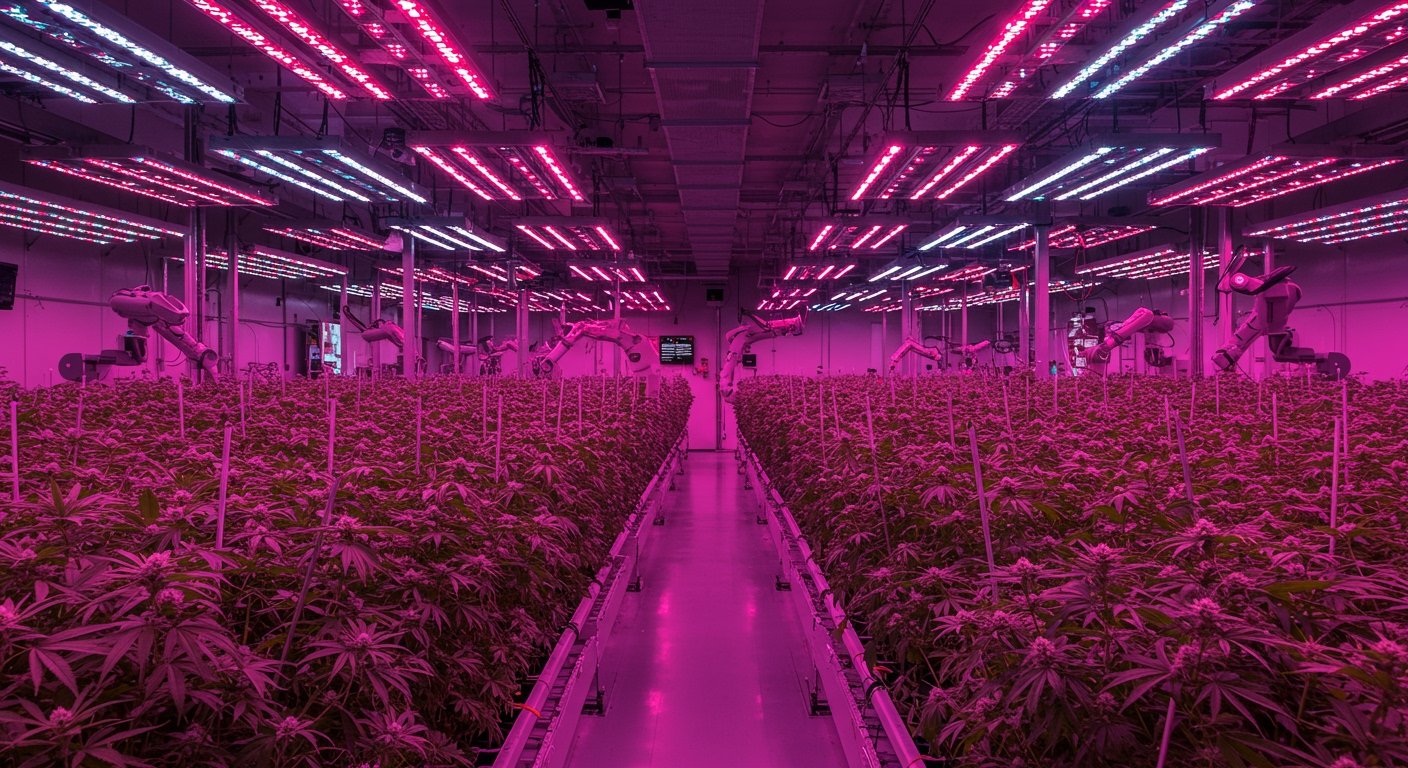
The United States cannabis cultivation sector is undergoing a significant transformation, driven by technological advancements, evolving consumer preferences, and a growing emphasis on efficiency and sustainability. According to analysis from Farmonaut, several key trends are fundamentally reshaping how cannabis is grown across the nation, pointing towards a more sophisticated and controlled agricultural future for the industry.
Embracing Vertical Farming
One of the most prominent shifts is the increasing adoption of vertical farming techniques. This method, particularly relevant in urban and peri-urban areas where space is at a premium, involves growing crops in stacked layers within climate-controlled indoor facilities. Vertical farming maximizes cultivation area per square foot, allowing for high-density production. This trend is not merely theoretical; the U.S. vertical farming cannabis market is projected to reach a value of USD 292.7 million by 2030, demonstrating robust growth with a Compound Annual Growth Rate (CAGR) of 17.5% from 2024 to 2030. This expansion highlights the economic viability and increasing necessity of space-efficient cultivation methods.
Automation and Artificial Intelligence Drive Efficiency
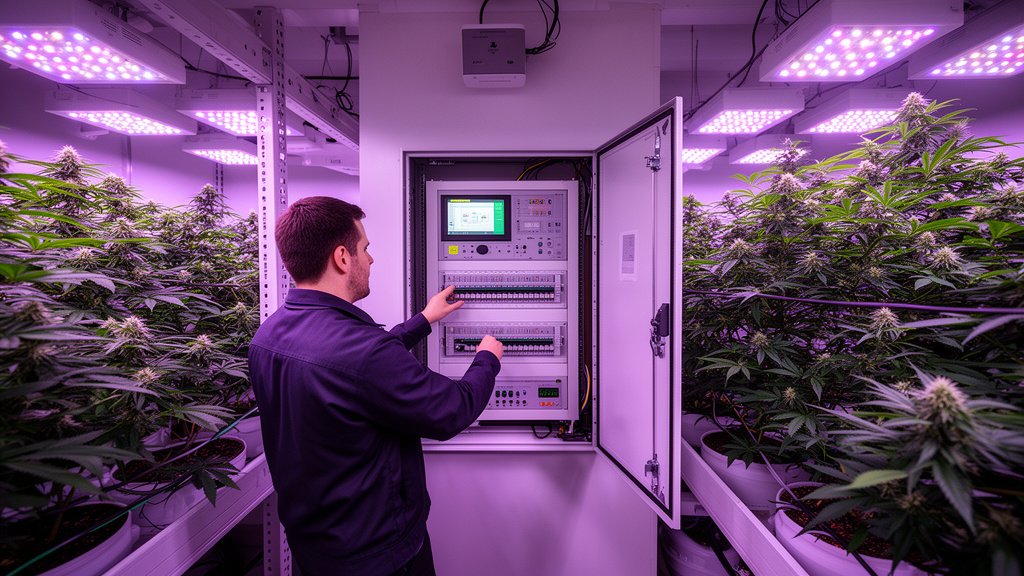
Operational efficiency is being significantly accelerated through the integration of automation and Artificial Intelligence (AI). Automated systems are streamlining labor-intensive processes such as planting, harvesting, and environmental climate control. Beyond simple automation, AI is playing a crucial role by analyzing vast amounts of sensor and satellite data. This analysis enables real-time monitoring, optimization of growing conditions, and sophisticated yield prediction, allowing cultivators to make data-backed decisions that enhance productivity and reduce waste.
The Rise of Sustainable Practices
A strong movement towards sustainable farming practices is gaining traction. This involves adopting renewable energy sources to power operations, implementing advanced water recycling systems that can use up to 90% less water compared to traditional methods, and focusing on carbon management strategies to reduce the environmental footprint. As the industry matures and environmental concerns become more central, sustainable cultivation is becoming a competitive advantage and a requirement for responsible growth.
Focus on Organic Cultivation and Soil Health
For the premium market segment, organic cultivation methods and the improvement of soil health are becoming key differentiators. Consumers seeking high-quality, naturally grown products are driving demand for cannabis cultivated without synthetic pesticides or fertilizers. Prioritizing soil health contributes not only to environmental sustainability but also to the production of healthier, more robust plants with potentially enhanced cannabinoid and terpene profiles, catering specifically to the discerning consumer base willing to pay more for quality.
Data-Driven Decision Making
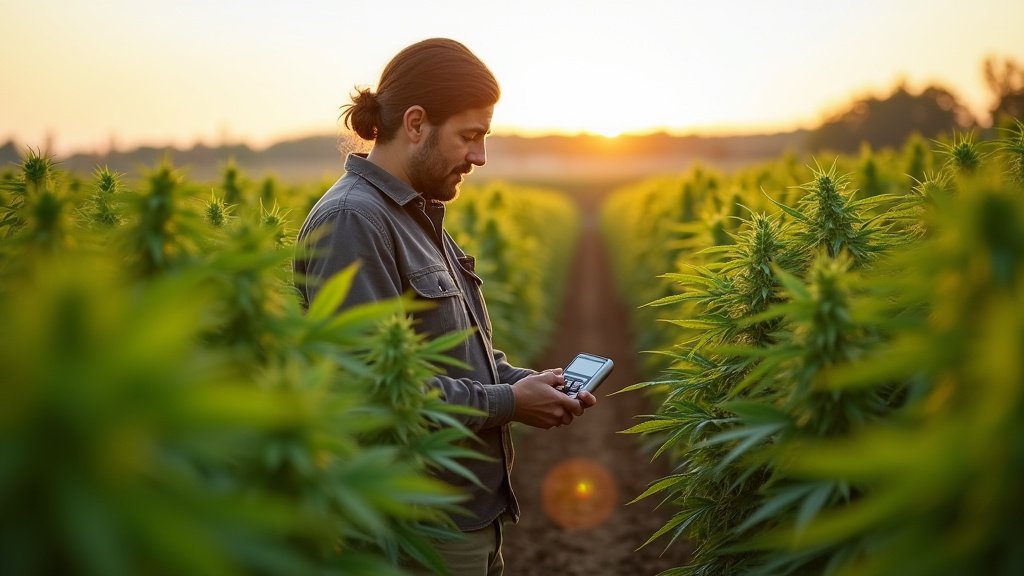
The widespread use of data-driven methods is revolutionizing how growers monitor and manage their crops. Utilizing sophisticated sensors and analytics, cultivators are gaining real-time insights into crucial metrics such as plant health and environmental conditions (temperature, humidity, light levels, etc.). This precision agriculture approach allows for immediate adjustments and proactive interventions, preventing issues before they impact yield or quality and ensuring optimal growth throughout the plant’s lifecycle.
Advancements in Energy-Efficient Lighting
The transition to energy-efficient LED lighting is a significant trend impacting cultivation costs and control. Modern LED systems offer customized spectrums, allowing growers to tailor light output to specific plant growth stages and desired characteristics. This not only reduces energy consumption significantly compared to traditional high-pressure sodium lamps but also provides greater control over plant development, leading to more consistent and predictable yields.
Genetic Innovation and Strain Resilience
Finally, ongoing genetic innovation and the development of strain resilience are crucial for the industry’s future. Researchers and breeders are focused on creating plant genetics that result in higher-yielding crops that are naturally more resistant to common pests and diseases. Furthermore, breeding efforts are concentrated on developing strains with specific cannabinoid potency and desired terpene profiles, aligning cultivation outputs directly with market demand for particular product types and effects. This genetic frontier is essential for improving crop reliability and tailoring products to consumer needs.
Collectively, these seven trends underscore a period of rapid evolution within the U.S. cannabis cultivation landscape. They reflect an industry moving towards greater efficiency, technological sophistication, environmental responsibility, and a sharper focus on meeting precise market demands through controlled and data-informed agricultural practices.