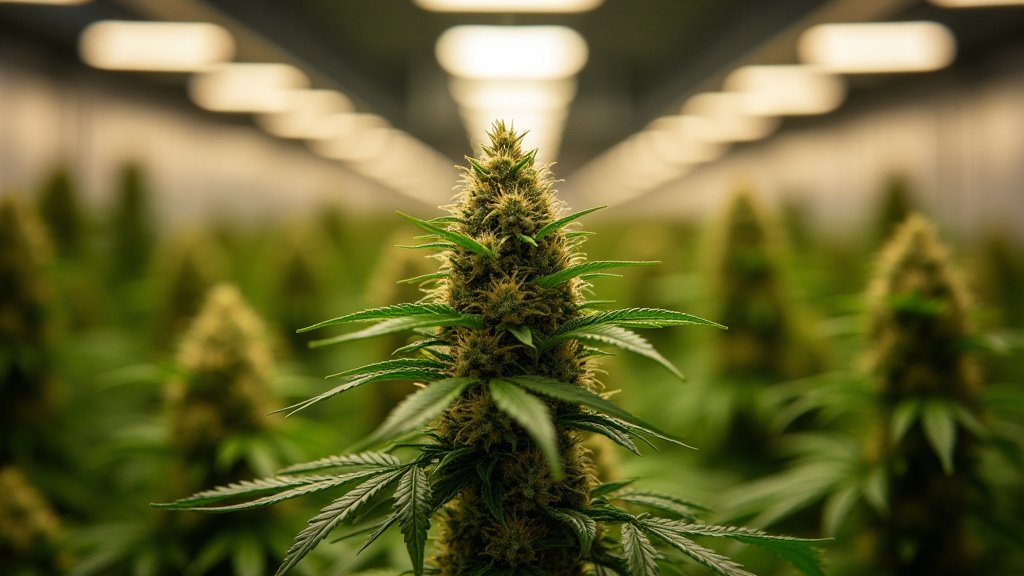
As the cannabis industry navigates the final quarter of 2026, the seasonal harvest has brought more than just fresh flower to the dispensaries; it has ignited the final, frantic dash toward the industry’s most coveted title: Leafly’s “Strain of the Year.” October has traditionally served as a barometer for market sentiment, a time when data from thousands of budtenders and consumer polls coalesce into a clear picture of what the modern connoisseur actually demands.
The Shift Toward Terpene Integrity
For years, the cannabis market was dominated by the “THC race,” a period defined by an obsession with potency percentages, often ignoring the nuance of the plant’s chemical profile. However, the data from October 2026 suggests that era is effectively over. Leafly’s current report highlights a massive shift toward terpene-forward profiles. Consumers are no longer asking, “How high is the THC percentage?” but rather, “What is the terpene profile?” This change is driven by a more educated consumer base that understands the entourage effect—the theory that the cannabinoids and terpenes work together to create a specific therapeutic or psychoactive experience.
The leading contenders for the 2026 crown are currently showing concentrations of Limonene and Myrcene that push past previous industry standards. Growers who have pivoted to breeding for aroma, flavor, and specific terpene expression are seeing a direct correlation in sales velocity. The “Strain of the Year” is no longer just the most potent; it is the most evocative.
The Budtender as the Gatekeeper
One of the most vital components of Leafly’s methodology is the integration of direct budtender insights. These frontline workers serve as the filter for consumer feedback, translating the chaotic preferences of thousands of daily customers into actionable trends. In October 2026, budtenders across major markets—specifically California, New York, and Washington—have reported a unified trend: the return of the “Craft Legacy” strain.
While corporate breeding programs continue to churn out hybrids, the top-performing strains this month are heavily influenced by the genetics of the early 2010s, refined with modern cultivation techniques. This hybrid of legacy history and modern precision is a major theme in this year’s list. Budtenders are noting that return customers are consistently asking for strains that feel “authentic,” favoring complex flavor profiles like gassy-citrus or earthy-pepper over the one-note, high-THC offerings of the past.
Predicting the 2026 Strain of the Year
While Leafly keeps the winner under wraps until the official announcement, the October data provides clear tea leaves. The frontrunners are currently strains that bridge the gap between recreational accessibility and connoisseur-level complexity. We are seeing a dominance in Zkittlez-derived genetics and GMO-based crosses, but with a twist: the market is rewarding “clean” grows, specifically those that emphasize organic inputs and regenerative farming practices.
Sustainability is no longer a marketing buzzword; it is a primary factor in consumer choice. The “Strain of the Year” will likely be a strain that not only delivers on the palate but also has a supply chain story that resonates with a socially conscious demographic. If the October numbers hold, the winner will likely be a cultivar that represents the pinnacle of sustainable, artisanal craft cannabis.
Economic Impacts and Market Maturation
The economic implications of this hunt are significant. Earning the “Strain of the Year” title creates an immediate, often exponential, spike in demand. Cultivators who land the top spot can expect their wholesale pricing to stabilize at a premium for at least 12 months. This has turned the “hunt” into a high-stakes competition for breeders and cultivators alike.
Furthermore, the October report underscores a cooling of the volatile “hype strain” market. In 2024 and 2025, strains would skyrocket in popularity and vanish within weeks. The 2026 trend is pointing toward long-term stability. Consumers are building relationships with specific cultivars, leading to a more mature, consistent market architecture that favors brands with reliable, repeatable high-quality genetics over flash-in-the-pan viral sensations.
FAQ: People Also Ask
1. Why is October considered the most critical month for determining the Strain of the Year?
October coincides with the peak outdoor and greenhouse harvest seasons in the Northern Hemisphere. This influx of fresh, high-quality inventory allows Leafly’s analysts to see what the market actually absorbs at scale, providing the most accurate data on consumer preferences before the year-end wrap-up.
2. How does Leafly decide the winner for Strain of the Year?
Leafly utilizes a proprietary scoring system that aggregates search data, sales velocity, consumer ratings, and expert reviews from budtenders. It is a data-driven approach that balances raw popularity with sustained market performance throughout the calendar year.
3. Is potency still a factor in the selection process?
Yes, but it is no longer the sole metric. Potency is viewed as one piece of a much larger puzzle. The selection criteria are weighted heavily toward terpene profiles, aesthetic bag appeal, flavor consistency, and positive user sentiment regarding the overall experience.
4. What does the term ‘legacy genetics’ mean in the context of this year’s list?
Legacy genetics refer to foundational strains from the pre-legalization era (e.g., OG Kush, Sour Diesel, Blue Dream). In 2026, the trend is taking these classic building blocks and crossing them with modern, high-resilience breeding techniques to create strains that honor the past while meeting current demand for consistency and flavor.