Massachusetts voters are facing a pivotal moment at the ballot box this election season. While the debate over recreational cannabis has historically centered on public health, safety, and personal liberty, a new, highly funded campaign known as the Question 8 initiative is forcing a confrontation between a decade of established industry growth and a well-resourced push to roll back the clock. At the heart of this conflict is a $10 billion industry currently operating in the Commonwealth, and a Virginia-based advocacy group that is pulling the levers of legislative change.
The Financial Engine of Anti-Legalization
For years, the narrative surrounding the repeal of marijuana legalization was one driven by grassroots organizations and parental advocacy groups. However, the Question 8 initiative in Massachusetts signals a significant shift toward a more institutionalized, professionally funded strategy. Investigative analysis reveals that the primary financial engine behind this effort is Smart Approaches to Marijuana (SAM), a prominent Virginia-based non-profit.
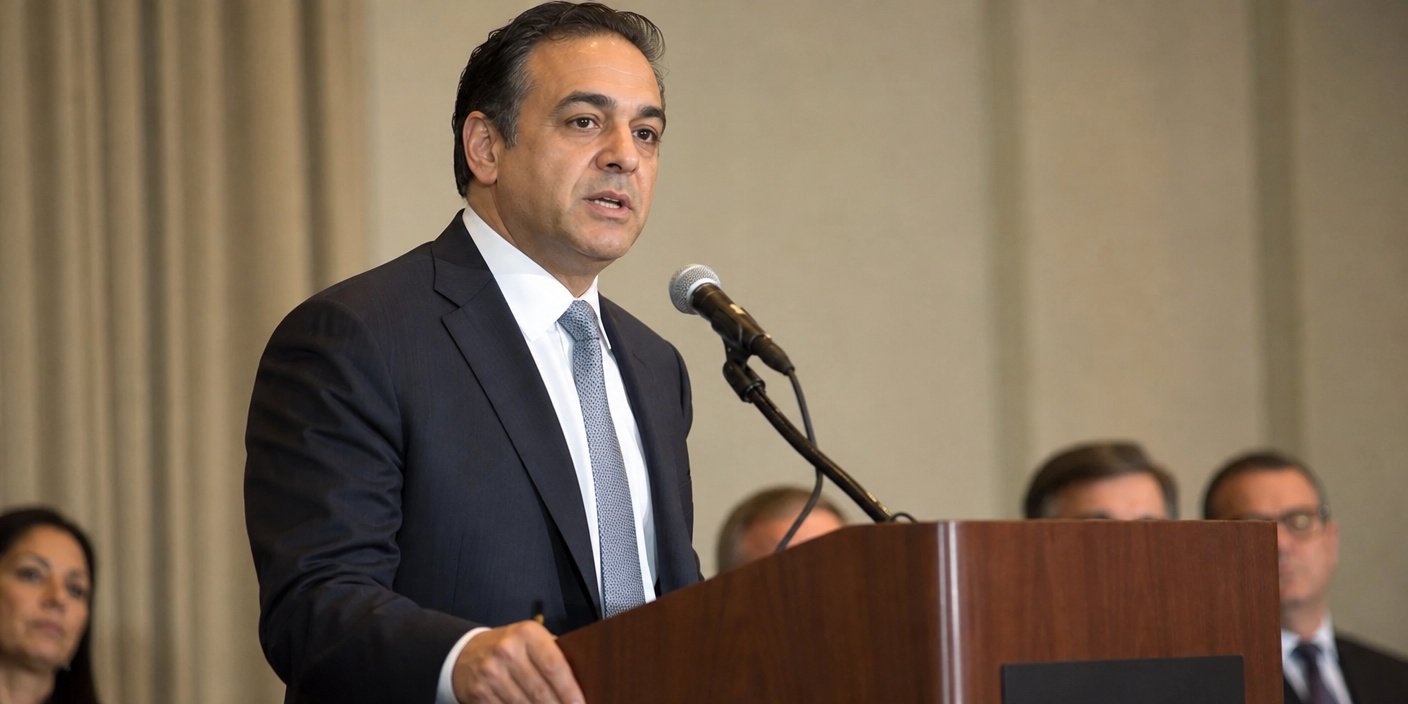
SAM, led by its vocal president and CEO, Kevin Sabet, has been the most visible and well-funded entity operating in the anti-legalization space. By pouring capital and strategic resources into the Massachusetts ballot effort, SAM is not merely engaging in a local political dispute; they are attempting to set a national precedent. The financial structure of this campaign raises critical questions about the role of out-of-state influence in local ballot measures. The sheer volume of resources funneled into Question 8 suggests that this is not a localized effort by Massachusetts residents alone, but a calculated, state-by-state dismantling strategy coordinated by a centralized, well-heeled national organization.
The $10 Billion Gamble: Economic and Regulatory Impacts
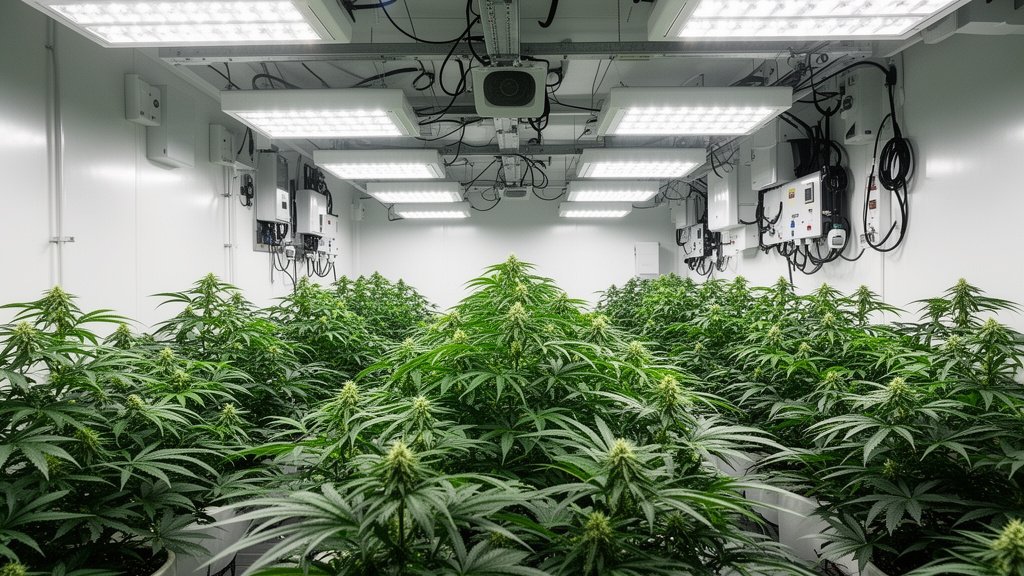
To understand the gravity of Question 8, one must quantify what is at stake. The Massachusetts cannabis market, which blossomed following the legalization of adult-use marijuana, has evolved into a robust $10 billion industry. This figure encompasses cultivation, retail, logistics, and a sprawling network of ancillary services that have transformed the state’s fiscal landscape.
Repealing legal recreational marijuana is not merely a symbolic policy reversal; it is an economic deconstruction. The fiscal impact of such a move would be immediate and severe. State tax revenue, which has been allocated toward community infrastructure, public education, and substance abuse prevention programs, would evaporate overnight. Furthermore, the regulatory framework that has governed the safe, tested, and taxed production of cannabis would be replaced by a return to the illicit market. SAM’s campaign argues that this is a public health necessity, claiming that current legalization models exacerbate addiction. However, critics point out that the abrupt dismantling of a $10 billion industry without a comprehensive transition plan for state revenue—or a strategy for replacing the jobs and businesses that would be decimated—is an extreme and economically reckless proposition.
Strategic Shifts: From Public Discourse to Ballot Initiatives
SAM’s strategy with the Question 8 initiative marks a departure from traditional lobbying. In the past, groups opposed to legalization focused on influencing legislators. Recognizing that state legislatures are often beholden to the economic tax benefits of the cannabis industry, organizations like SAM have shifted their tactics to the ballot initiative process.
By bypassing the statehouse and going directly to the voters, these groups attempt to frame the conversation around emotional, anecdotal evidence of harm, rather than the complex economic realities of state revenue and tax policy. This “ballot-box legislation” bypasses the typical checks and balances of government, creating a high-volatility environment where deep-pocketed organizations can effectively “buy” their way onto the ballot and attempt to reverse years of democratic consensus. For voters in Massachusetts, this creates a confusing and often misleading information environment where the lines between local concerns and the agenda of a Virginia-based national group are increasingly blurred.
The Broader Landscape: A Warning for Other States
The Massachusetts Question 8 initiative is a bellwether for the future of cannabis policy nationwide. If SAM succeeds in overturning a legalized market in a state with such entrenched economic activity, it will provide a playbook for similar efforts across the country. We are seeing a new chapter in the “Drug War” era—one where data and economic performance are pitted against high-intensity advocacy campaigns funded by non-profit entities. Voters must ask themselves whether their local ballot is being used as a staging ground for a national political agenda that has little regard for the specific economic stability or the will of the state’s populace. As the election approaches, the true cost of this initiative—both to the $10 billion economy and the integrity of the state’s decision-making process—must be weighed with absolute clarity.