AUSTIN, Texas – Governor Greg Abbott of Texas has vetoed Senate Bill 3 (SB 3), a significant piece of legislation that sought to impose a statewide ban on consumable hemp products containing tetrahydrocannabinol (THC). The decision, announced Friday, marks a temporary victory for a burgeoning multi-billion dollar industry and its consumers, placing the Governor at odds with Lieutenant Governor Dan Patrick, who had been a strong proponent of the ban.
The veto follows a contentious, months-long legislative effort during which the proposed ban faced intense scrutiny and significant pushback from various stakeholders. Industry advocates, consumers, and medical proponents argued strenuously against SB 3, highlighting its potential devastating economic impact and its effect on limited health options available to Texans.
The Proposed Ban and Its Backers
Senate Bill 3 aimed to prohibit the sale and consumption of hemp-derived products that contain any detectable level of THC, the psychoactive compound found in cannabis. Proponents of the bill, led notably by Lieutenant Governor Dan Patrick, expressed concerns regarding public health and safety, arguing that these products, which are currently legal under state law following previous legislative action on hemp, posed risks and required stricter regulation or outright prohibition.
The legislative push gained momentum throughout the session, reflecting a divide within the state’s leadership and legislature regarding the appropriate legal status and regulation of hemp and THC products. Supporters of the ban often cited concerns about potential impairment, accessibility to minors, and the need for clearer legal distinctions between regulated marijuana products (which remain largely illegal in Texas) and hemp-derived substances.
Industry Opposition and Economic Stakes
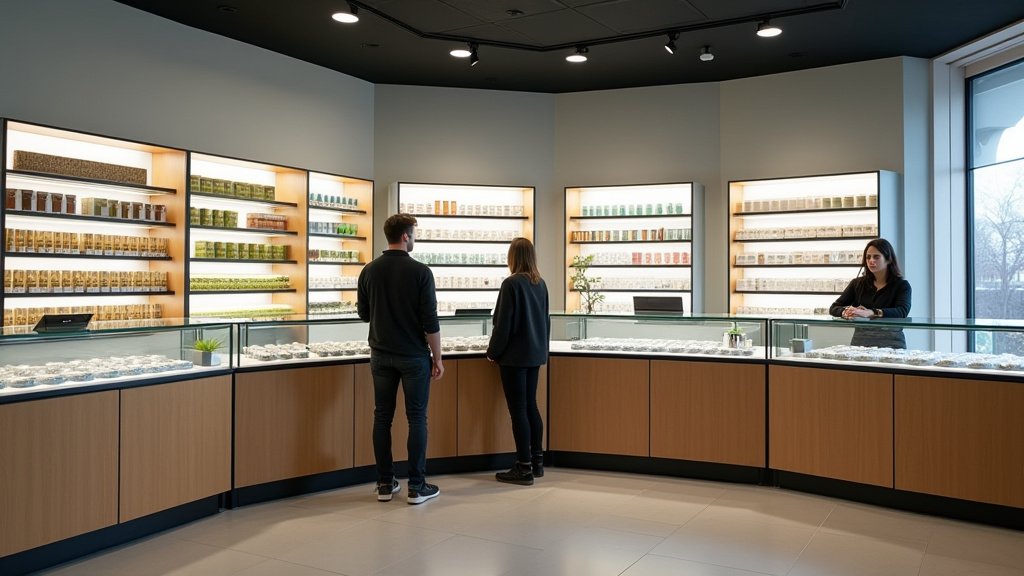
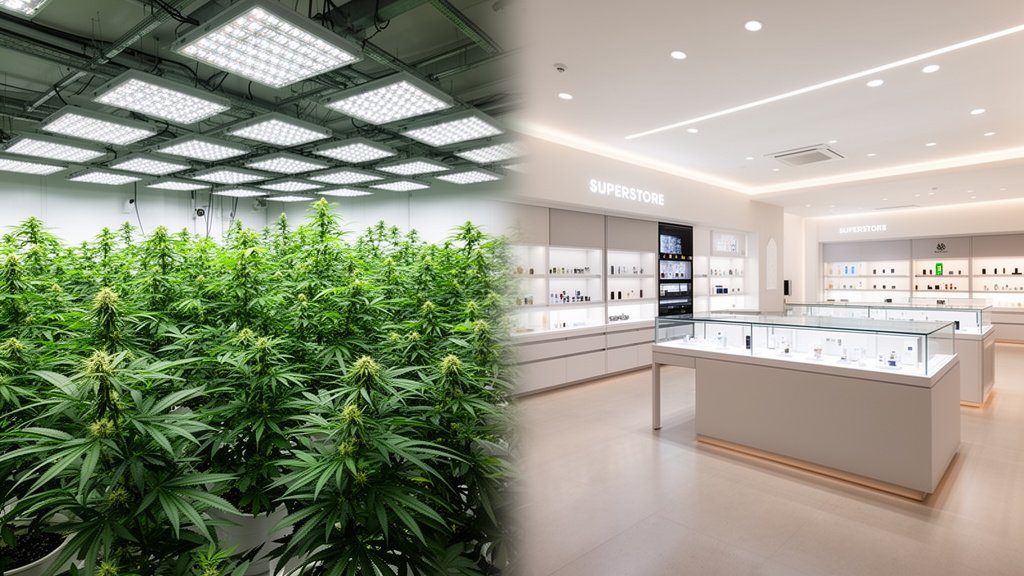
The opposition to SB 3 was robust and highly organized. The consumable hemp industry in Texas has rapidly grown into a substantial economic force, estimated to be worth multiple billions of dollars. Industry representatives argued that a ban would decimate businesses, lead to significant job losses, and erase the investments made since the state legalized hemp cultivation and production in 2019.
Testimony and lobbying efforts emphasized the economic ecosystem that has developed, including farmers, processors, manufacturers, distributors, and retailers. The potential loss of tax revenue and economic activity served as a central pillar of the argument against SB 3, portraying it as detrimental to the state’s economy at a time when many businesses were still recovering from recent economic challenges.
Health Considerations and Advocacy
Beyond economic concerns, opponents of the ban raised critical points about the health benefits that consumers attribute to these products. They argued that consumable hemp products, particularly those containing low levels of THC or specific cannabinoid profiles, provide limited but valuable health options for a diverse range of Texans.
Advocates highlighted the use of these products by veterans seeking alternatives for managing post-traumatic stress or chronic pain, and by individuals with various chronic or mental health conditions who report finding relief. The potential loss of these therapeutic options was a deeply felt concern among consumers and healthcare advocates.
The public outcry was significant. Advocacy groups orchestrated a massive campaign urging Governor Abbott to veto SB 3. According to reports from these groups, over 100,000 letters were sent to Governor Abbott’s office, demonstrating the widespread opposition among constituents to the proposed ban.
Governor Abbott’s Decision
Governor Abbott’s decision to veto SB 3 signals an acknowledgment of the concerns raised by the industry, consumers, and advocates. While the Governor did not immediately release an extensive statement detailing his specific rationale for the veto at the time of the initial reports, the action itself aligns with the arguments emphasizing the economic contribution of the industry and the perceived benefits for consumers.
The veto avoids, for now, a drastic disruption to the established market for consumable hemp products and maintains the status quo that has existed since the state embraced hemp production. It represents a notable instance of the Governor siding with an industry under pressure and responsive to significant constituent feedback.
Political Reaction and Future Steps
The veto was met with swift reaction from those on both sides of the debate. As anticipated, Lieutenant Governor Dan Patrick expressed disappointment with Governor Abbott’s decision.
In addition to the veto, Governor Abbott announced that he would be calling a special session of the legislature. Details regarding the specific topics to be addressed during this session were not immediately detailed in the initial reports. Special sessions in Texas are typically convened by the Governor to address specific, pressing legislative issues that were not resolved during the regular session or have arisen since its conclusion.
The announcement of a special session adds a layer of complexity and uncertainty to the legislative landscape following the veto. While the veto ensures the immediate legality of consumable hemp products with THC, the possibility of future legislative action remains, either on this issue or other matters deemed critical by the Governor.
The veto of SB 3 underscores the complex interplay between economic interests, public health concerns, and evolving consumer preferences in Texas’s approach to hemp and cannabis-related products. The future of these products in the state may continue to be a subject of debate in upcoming legislative sessions.