As of April 2026, the future of the Texas hemp industry hangs in the balance within the confines of a Travis County courtroom. The Texas Hemp Business Council (THBC), alongside a coalition of manufacturers and retailers, has launched a significant legal challenge against the Texas Department of State Health Services (DSHS) and the Texas Health and Human Services Commission (HHSC). The core of this conflict lies in a series of administrative rules that took effect on March 31, 2026, which the industry claims function as a ‘backdoor ban’ on popular hemp-derived products, including THCA flower and various vapes. With a critical hearing concluding this week, the outcome will not only determine the immediate viability of the state’s hemp commerce but will also address a broader constitutional question: how much authority do state agencies have to rewrite laws that the Legislature has explicitly left unchanged?
Key Highlights
- Legal Impasse: The industry is seeking a temporary injunction to block new DSHS and HHSC rules that redefine ‘hemp’ by applying a ‘total THC’ standard, effectively criminalizing products previously legal under the 2019 framework.
- Economic Stakes: The Texas hemp industry currently generates an estimated $10 billion in annual economic activity, supporting over 53,000 jobs statewide. Industry advocates argue that the new regulations could trigger mass business closures and catastrophic losses.
- The ‘Total THC’ Conflict: Plaintiffs argue that state agencies overstepped their constitutional authority by adopting a definition of THC that conflicts with the statutory definitions established by the Texas Legislature in House Bill 1325.
- Status of Current Rules: A temporary restraining order (TRO) is currently in place, pausing the enforcement of these controversial regulations through at least May 1, 2026, pending the court’s decision following the late-April hearings.
The Constitutional Tug-of-War Over Hemp Regulation
At the heart of the litigation in Travis County District Court is a fundamental dispute regarding the separation of powers. The Texas hemp industry, represented by the Texas Hemp Business Council (THBC) and the Hemp Industry & Farmers of America (HIFA), contends that the regulatory agencies are attempting to legislate from the administrative bench. When the Texas Legislature passed HB 1325 in 2019, it established a comprehensive framework for hemp cultivation and the production of consumable hemp products, setting a 0.3% delta-9 THC standard on a dry-weight basis. This legislative act legalized the state’s hemp industry and set specific boundaries for what constitutes a legal product.
However, in March 2026, the DSHS and HHSC introduced administrative rules that fundamentally altered the compliance landscape. These agencies implemented a ‘total THC’ formula, which converts THCA—a non-intoxicating precursor found in raw hemp—into delta-9 THC for the purpose of compliance testing. Because THCA is prevalent in many hemp-derived products, this new calculation effectively renders a large segment of the previously lawful market illegal. The lawsuit asserts that this regulatory move is not merely an interpretation of existing statutes but a direct contradiction of the intent set forth by the Legislature.
The Administrative Overreach Argument
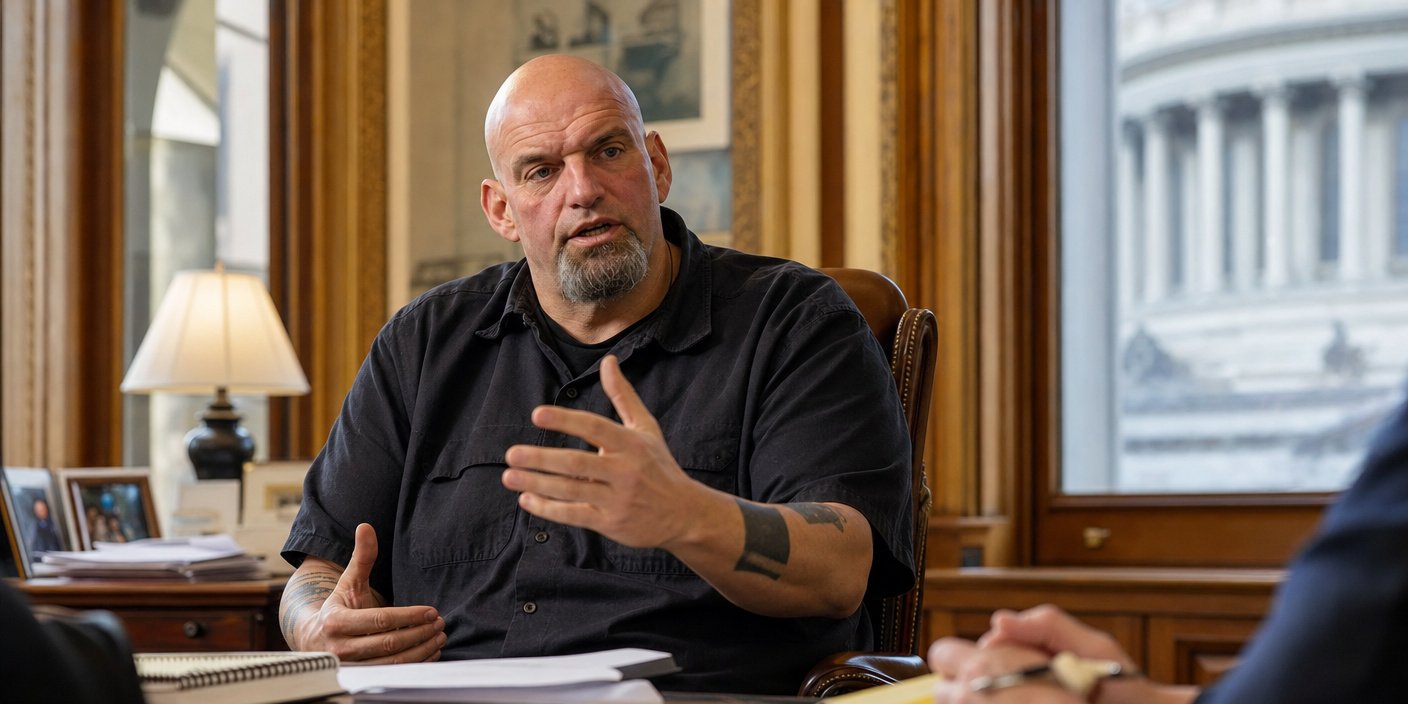
Industry attorneys have centered their arguments on the principle that administrative agencies derive their power solely from the Legislature. During the hearings, counsel for the hemp industry highlighted that the Texas Legislature had multiple opportunities to amend the state’s hemp laws during the 89th Legislature in 2025. Despite heated debates on the subject, the Legislature ultimately declined to change the definition of hemp or lower the THC thresholds. By enacting these changes through agency rulemaking, the DSHS and HHSC are accused of engaging in an unconstitutional end-run around the legislative process.
This is not a trivial procedural dispute; it is a battle over the legitimacy of administrative power. If the court rules that the agencies exceeded their authority, it could set a powerful precedent limiting the ability of Texas departments to impose sweeping policy changes that have not been vetted or approved by elected officials. Conversely, if the court upholds the regulations, it could grant state agencies significant leeway to reinterpret statutes in the future, potentially impacting sectors beyond the hemp industry.
Economic Stability and Market Disruption
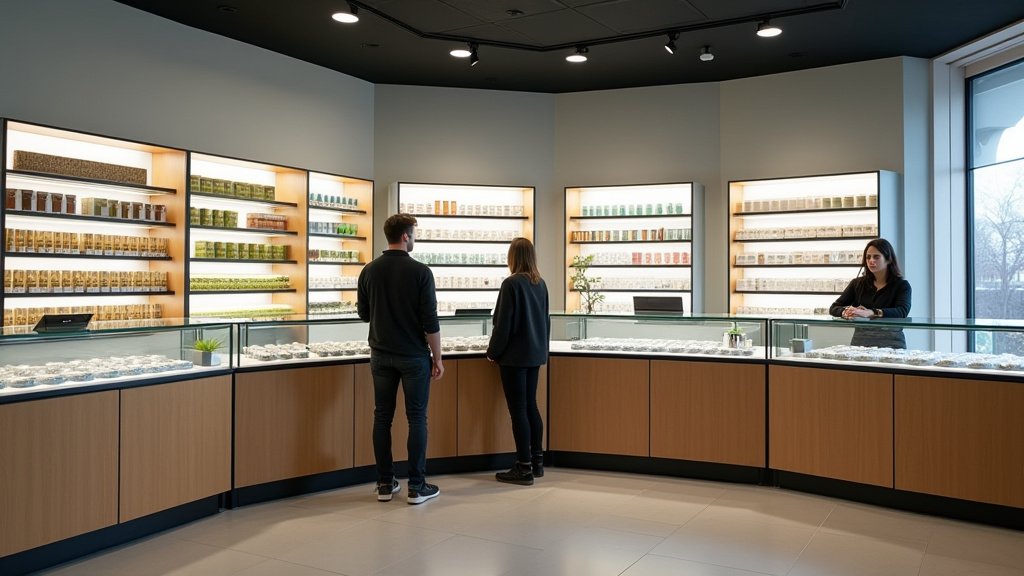
Beyond the constitutional questions, the industry’s filing emphasizes the tangible, often devastating, economic impact of the new rules. Since the legalization of hemp in 2019, Texas has cultivated a massive, multi-billion dollar sector. This sector encompasses not just retail dispensaries, but a complex supply chain including farmers, processors, logistics providers, and laboratories.
The new regulations included provisions to prohibit the transport of hemp plants and materials into Texas for processing, a move that would immediately cripple in-state manufacturing operations. Furthermore, the massive increase in fees—raising manufacturer license costs from $250 to $10,000 and retail registrations from $150 to $5,000—was designed, according to the plaintiffs, to act as an insurmountable barrier to entry. Many small businesses, which operate on thin margins, testified that these fees alone would force them to shutter, regardless of their compliance status.
The court’s issuance of a temporary restraining order (TRO) on April 8 provided a critical lifeline to these businesses. By pausing enforcement, Judge Maya Guerra Gamble allowed the market to stabilize while the complex legal questions are debated. However, the anxiety among retailers and producers remains palpable as they await a permanent or long-term injunction.
The ‘Backdoor Ban’ Narrative
The term ‘backdoor ban’ has become a rallying cry for the industry. Proponents of this narrative argue that if the state wanted to ban these products, it should have done so through the clear, democratic process of legislation. By utilizing rulemaking, the agencies have obscured the change, bypassed public debate, and avoided the economic impact studies typically required for such major shifts.
This strategy is particularly effective in political contexts, as it allows state officials to claim they are acting in the interest of ‘public safety’ and ‘clarifying’ the law, rather than taking direct political heat for shutting down a lawful, tax-paying industry. The state’s attorneys, representing the DSHS and HHSC, have leaned into this public safety angle, arguing that some current hemp products are being sold with THC levels that are ‘dangerous’ and that stricter oversight is required to differentiate legal hemp from marijuana. This creates a challenging optical scenario for the industry: the state is framing the conflict as a public health issue, while the industry is framing it as a breach of constitutional law.
Future Implications: What Comes Next?
As the April 28–30 hearing concludes, the legal system faces a decision that will ripple throughout the state. A ruling in favor of the industry would maintain the status quo established in 2019, providing a much-needed period of stability for Texas farmers and retailers. It would reinforce the idea that policy changes regarding industry legality must originate from the State Capitol, not from executive agencies.
However, the outcome is far from certain. Even if the industry secures a temporary injunction, the legal battle is expected to continue for months. The state is unlikely to abandon its position easily, given the pressure from certain political corners to tighten controls on psychoactive hemp products.
Industry participants are also looking ahead to the federal landscape. With federal regulations regarding ‘total THC’ potentially shifting in late 2026, some experts suggest that Texas might simply be an early adopter of a federal standard, albeit one that is currently ahead of the curve. This places Texas at the forefront of a nationwide debate about the definition of hemp and the future of cannabinoids in the marketplace. For now, every hemp business in Texas is operating with a ‘wait and see’ mentality, their livelihoods tied to a gavel in a Travis County courtroom.
FAQ: People Also Ask
Q: What is the current status of the Texas hemp ban?
A: As of late April 2026, a temporary restraining order (TRO) is in effect, which has temporarily paused the enforcement of the new DSHS and HHSC rules. This means businesses are currently able to continue operations as they did before the March 31 implementation date, at least through May 1, 2026.
Q: Why are hemp businesses suing the state?
A: Businesses are suing because they argue that the state agencies (DSHS/HHSC) exceeded their legal authority by creating new ‘total THC’ definitions and fee structures that were not approved by the Texas Legislature, effectively banning products that were previously lawful under the 2019 HB 1325 framework.
Q: What is the ‘total THC’ standard?
A: The ‘total THC’ standard is a method of calculating THC potency that includes THCA (a precursor cannabinoid). Because THCA is found in high concentrations in many hemp products, this new formula would classify products that were previously considered legal ‘hemp’ as illegal, effectively banning them.
Q: How does this impact consumers in Texas?
A: For the duration of the court-ordered pause, consumers can continue to purchase products like THCA flower, vapes, and concentrates. If the court eventually allows the state’s rules to proceed, those products would likely disappear from store shelves, as their sale would be prohibited under the new regulations.