Thailand Reverses Course on Cannabis, Tightening Rules in Blow to $1 Billion Industry
Bangkok, Thailand – Just three years after making history as the first country in Southeast Asia to decriminalize cannabis, Thailand’s government has moved decisively to tighten regulations, a move that is sending shockwaves through a nascent industry estimated to be worth $1 billion. The abrupt policy shift aims to curb the widespread recreational use that proliferated following the June 2022 decriminalization, returning the focus squarely to medical purposes.
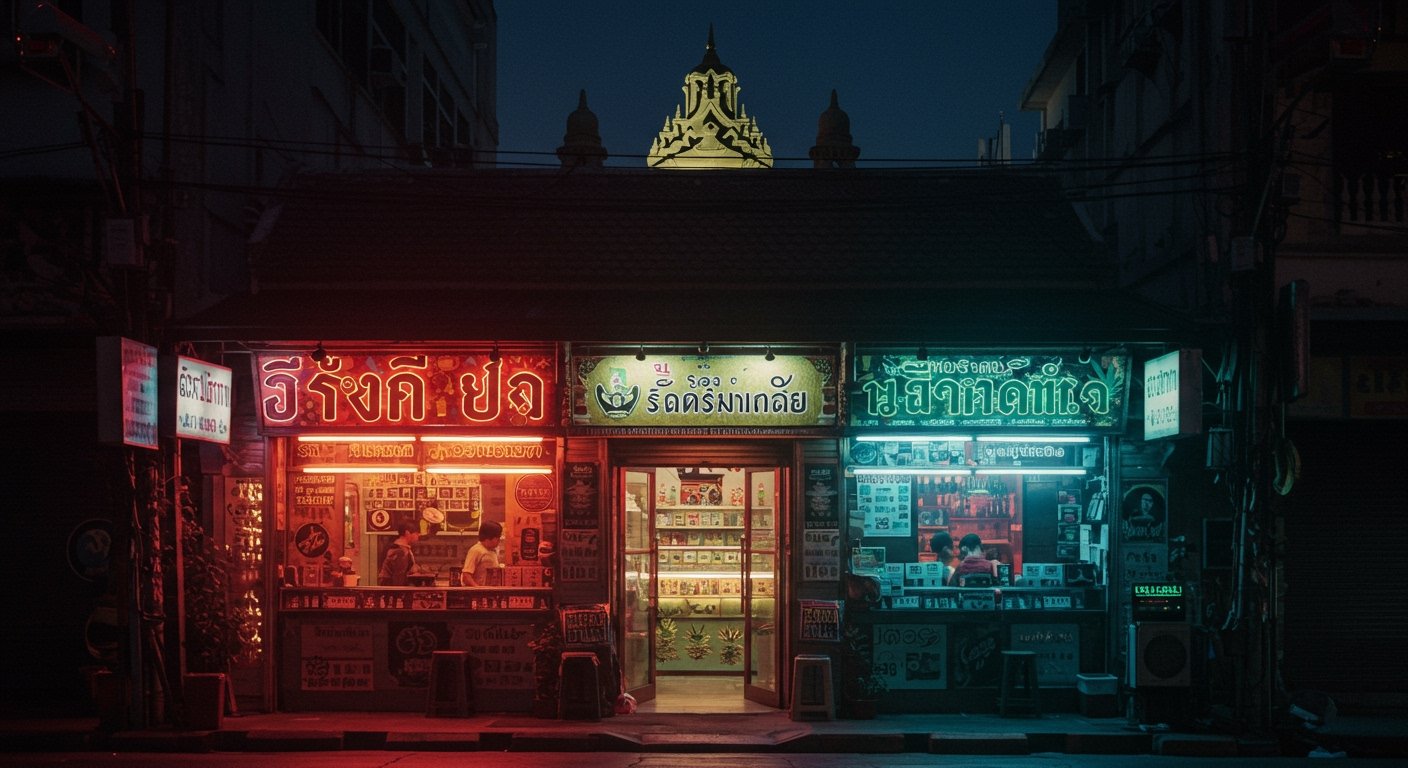
The original intent behind easing cannabis laws was primarily to promote its use for health and medical applications. However, the decriminalization led to an explosion in the recreational market, with estimates suggesting between 11,000 and 18,000 cannabis dispensaries quickly opened across the country, transforming cityscapes and tourist areas. This rapid, largely unregulated growth fueled public debate and concern.
New Order Restricts Sales
The pivotal step came late on June 24, when Health Minister Somsak Thepsuthin signed an order designed to significantly restrict access. The order, which according to government sources came into force after being published in the official Royal Gazette on June 26, mandates that cannabis can only be sold with a doctor’s approval, effectively banning recreational sales. This measure seeks to dismantle the thousands of shops that have flourished under the previous liberal regime.
The swift implementation of the new rule has plunged the estimated $1 billion cannabis industry into a state of uncertainty. Business owners and activists who invested heavily following the 2022 decriminalization have voiced strong criticism. Thanatat Chotiwong, a prominent voice among cannabis advocates, highlighted the substantial investments made in establishing the industry and condemned the sudden regulatory reversal.
Government Justification and Social Concerns
The government’s rationale for the crackdown was articulated by spokesperson Jirayu Houngsub. He stated that the policy needed to revert to its original goal of controlling cannabis strictly for medical use. This decision, he explained, was driven by perceived social problems that emerged after decriminalization, particularly concerning young people’s access to and use of the drug.
Public health officials and policymakers have expressed concerns about the societal impact of widespread recreational availability, including potential health risks and issues related to public order. The government appears determined to regain control over a substance that, while decriminalized, has become easily accessible without medical oversight.
Regulatory Ambiguity and Future Prospects
Despite the government’s assertion that the order is in effect following its June 26 publication in the Royal Gazette, some reports and sources suggest ongoing regulatory ambiguity. There remains discussion regarding the exact legal status and enforcement mechanisms, with some voices indicating the potential need for further official steps or clarification to solidify the new rules as law. This uncertainty adds another layer of complexity for businesses attempting to navigate the shifting landscape.
Adding to the industry’s unease is the discussion within government circles about the possibility of reclassifying cannabis as a narcotic once again. Such a move would represent a complete reversal of the 2022 decriminalization and could have severe consequences for anyone involved in the production, distribution, or sale of cannabis outside of strictly controlled medical channels.
Industry Backlash and Planned Rally
The backlash from the cannabis community is mounting. Store owners, growers, and advocates argue that the government’s approach is heavy-handed and undermines the economic potential and medical benefits of the plant. Many feel blindsided by the sudden regulatory shift after building businesses based on the previous policy.
In response to the new restrictions and the threat of further reclassification, cannabis activists are mobilizing. They have announced plans for a mass rally scheduled for July 7 in Bangkok. The demonstration aims to voice opposition to the government’s actions and advocate for a more balanced regulatory framework that accommodates both medical and responsible adult recreational use.
The situation in Thailand serves as a stark reminder of the complex challenges governments face when liberalizing drug laws. While the initial decriminalization aimed to harness potential economic and medical benefits, the rapid growth of the recreational market without robust accompanying regulation has prompted a swift and potentially disruptive policy correction, leaving a burgeoning $1 billion industry in precarious territory.