As the calendar turns to early July 2025, the global cannabis industry finds itself at a pivotal juncture, characterized by a dynamic interplay of strategic maneuvers, innovative product launches, and evolving regulatory frameworks. This complex landscape underscores a maturing market poised for significant expansion, particularly within its technological infrastructure.
Projections for the cannabis technology market highlight this bullish outlook, with forecasts indicating a substantial surge. The market, valued at $6.2 billion in 2024, is anticipated to reach a robust $23.7 billion by 2030, reflecting the increasing reliance on technology to streamline operations, enhance consumer experiences, and ensure regulatory compliance across the value chain.
Strategic Consolidation and Investment
Industry players are actively pursuing strategic consolidation to expand their footprint and capabilities. A notable recent activity includes Blüm Holdings’ acquisition in Northern California. This transaction, valued at up to $5 million, was structured as an all-stock transaction and includes performance-based earn-outs, demonstrating a model for growth through targeted regional expansion.
Innovation in Product Development
Innovation continues to drive new product offerings designed to cater to diverse consumer preferences. Viola, a prominent brand, has forged a partnership with Tempter’s to introduce a new line of hemp-derived THC beverages. These products, featuring distinct indica and sativa blends, are now available nationwide, signaling a growing trend towards accessible, low-dose alternatives leveraging emerging interpretations of federal law.
Evolving Retail Strategies
Retailers within the cannabis sector are increasingly focusing on sophisticated strategies to build customer loyalty and drive retention. This includes a pronounced emphasis on developing effective loyalty programs, fostering customer retention initiatives, and deepening community engagement. Such approaches are crucial in a competitive environment where differentiation and consumer relationships are key to sustained success.
Regulatory Landscape Shifts
Regulatory developments continue to shape market dynamics and access. In Maryland, a significant step towards fostering equitable participation has been taken with the launch of a Cannabis Equity Ecosystem. This initiative is specifically designed to support social equity licensees, aiming to address historical disparities within the industry.
Conversely, California’s cannabis market is grappling with the effectuation of a cannabis excise tax increase. This policy change is anticipated by many stakeholders to potentially drive consumers toward the illicit market, posing challenges for licensed operators. In parallel, authorities have increased fines for selling illicit cannabis, signaling a dual approach of increasing legal market costs while attempting to deter unlicensed activity.
Robust Hiring Trends in Canada
Across the border, the Canadian cannabis market is showing signs of robust operational expansion, evidenced by significant hiring activity observed in early July 2025. Major publicly traded companies such as Canopy Growth, SNDL, Aurora, and Pure Sunfarms are actively recruiting across various sectors. This includes substantial hiring in retail operations, cultivation facilities, logistics and supply chain management, and brand management roles, indicating confidence in future growth and operational demands.
Advancements in Cannabis Technology
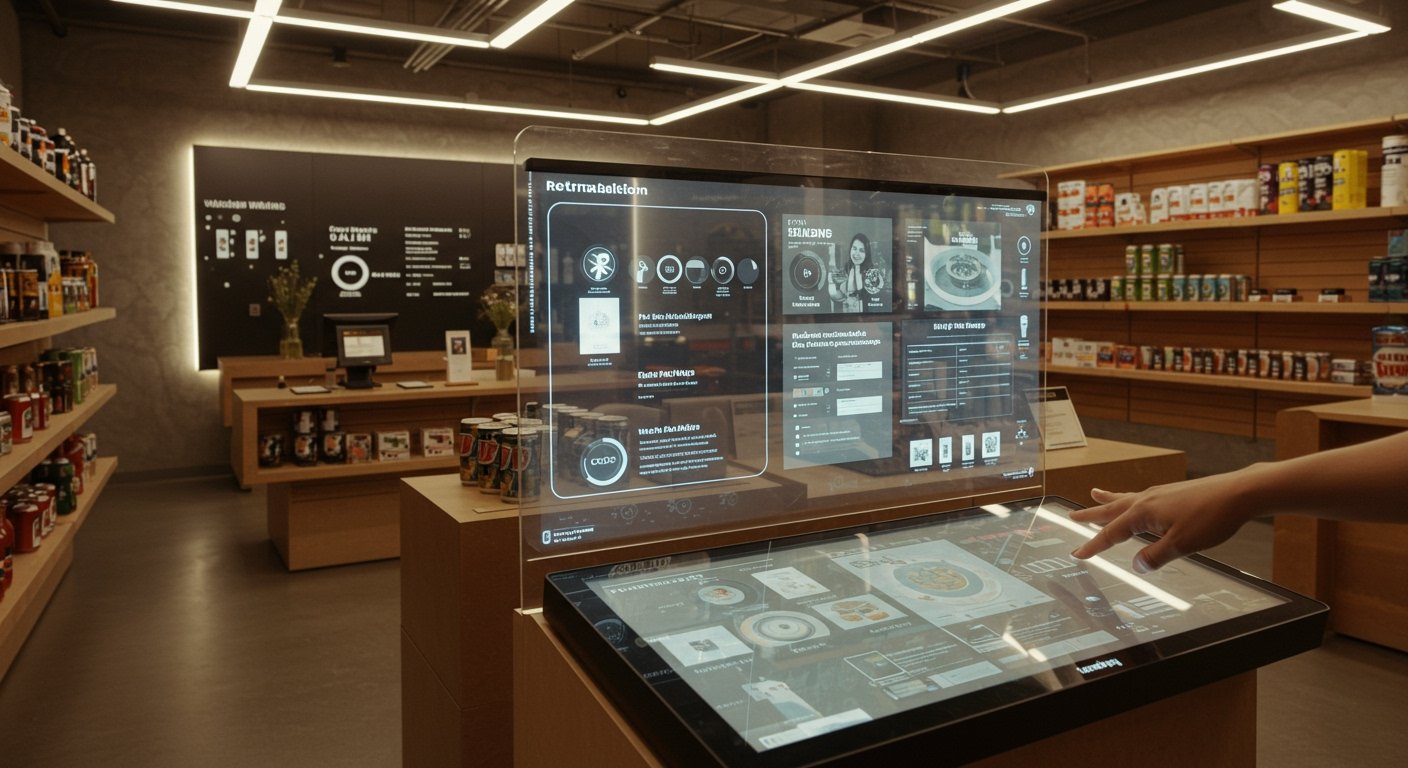
Underpinning much of the industry’s operational efficiency and consumer interaction are advancements in technology. Dutchie, a leading technology provider for dispensaries, has recently released its Summer ’25 Tech Suite. This suite introduces new features aimed at improving dispensary operations and the customer experience, including personalized shopping recommendations, integrated mobile payments, and enhanced loyalty tools. These technological innovations are vital for dispensaries seeking to optimize their business processes and provide a seamless experience in an increasingly regulated and competitive retail environment.
Taken together, the activities across consolidation, innovation, retail, regulation, hiring, and technology paint a portrait of a cannabis industry in July 2025 that is actively adapting, professionalizing, and seeking sustainable growth amidst a complex operational and legal framework.