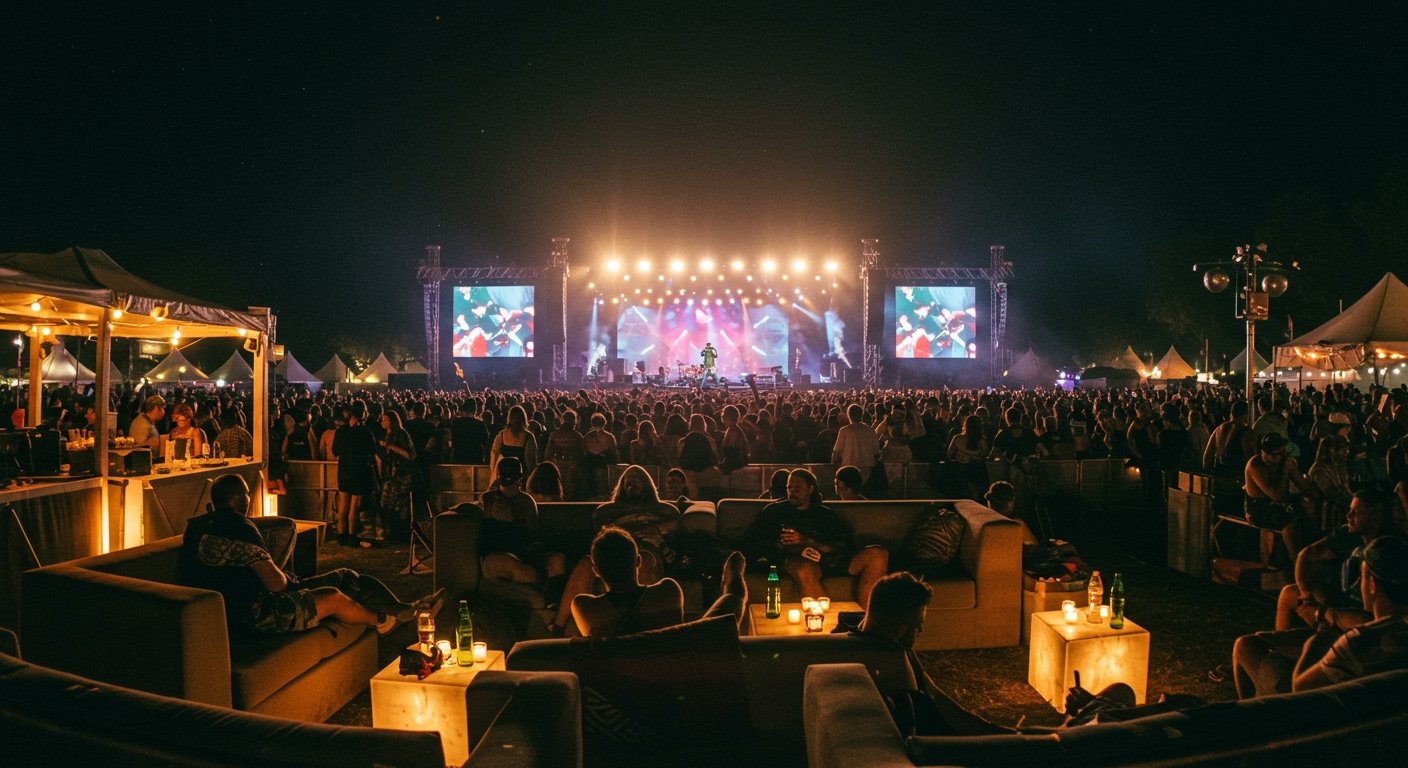
The historical, intertwined relationship between music and cannabis, once largely confined to the smoky secrecy of jazz clubs in the 1920s or the counter-cultural surge of psychedelic rock in the 1960s, is experiencing a profound transformation. Propelled by increasing legalization efforts, particularly across the United States and Canada, this cultural intersection is becoming more overt and celebrated, notably within the vibrant ecosystem of music festivals.
Legalization Reshapes Cultural Landscapes
The growing wave of cannabis legalization marks a significant cultural shift, moving consumption from the fringes toward mainstream acceptance. This normalization is highly visible at large-scale music events, where attendees are increasingly open about their cannabis use. This openness is fostering a new dynamic, integrating cannabis consumption as a natural, even welcomed, component of the festival experience, challenging long-held stigmas and reshaping social norms around both activities.
Festivals Embrace Cannabis with Designated Spaces
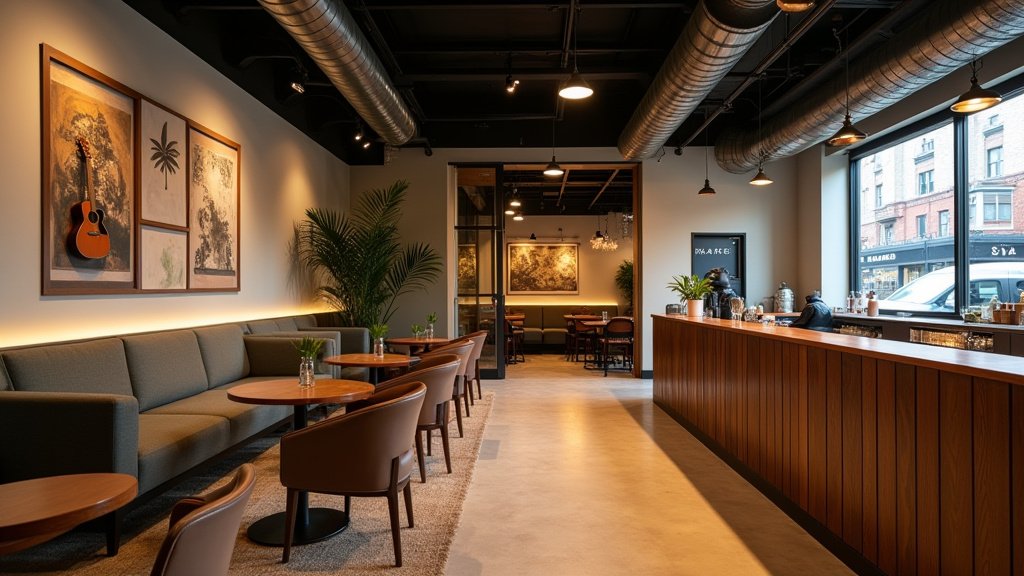
In response to this evolving landscape, music festivals are actively adapting their infrastructure and policies. A key development is the creation of designated “cannabis lounges.” These curated spaces are designed to provide attendees with a safe, controlled environment where they can consume cannabis legally and responsibly. More than just consumption zones, these lounges often serve as hubs for relaxation, socialization, and enjoying the music from a different vantage point, thereby fostering a sense of community among like-minded individuals.
These lounges represent a proactive approach by festival organizers to acknowledge the reality of cannabis use among attendees while prioritizing safety and compliance with local regulations. They offer alternatives to covert or potentially unsafe consumption methods, promoting responsible practices and providing access to information.
Artists as Advocates and Entrepreneurs
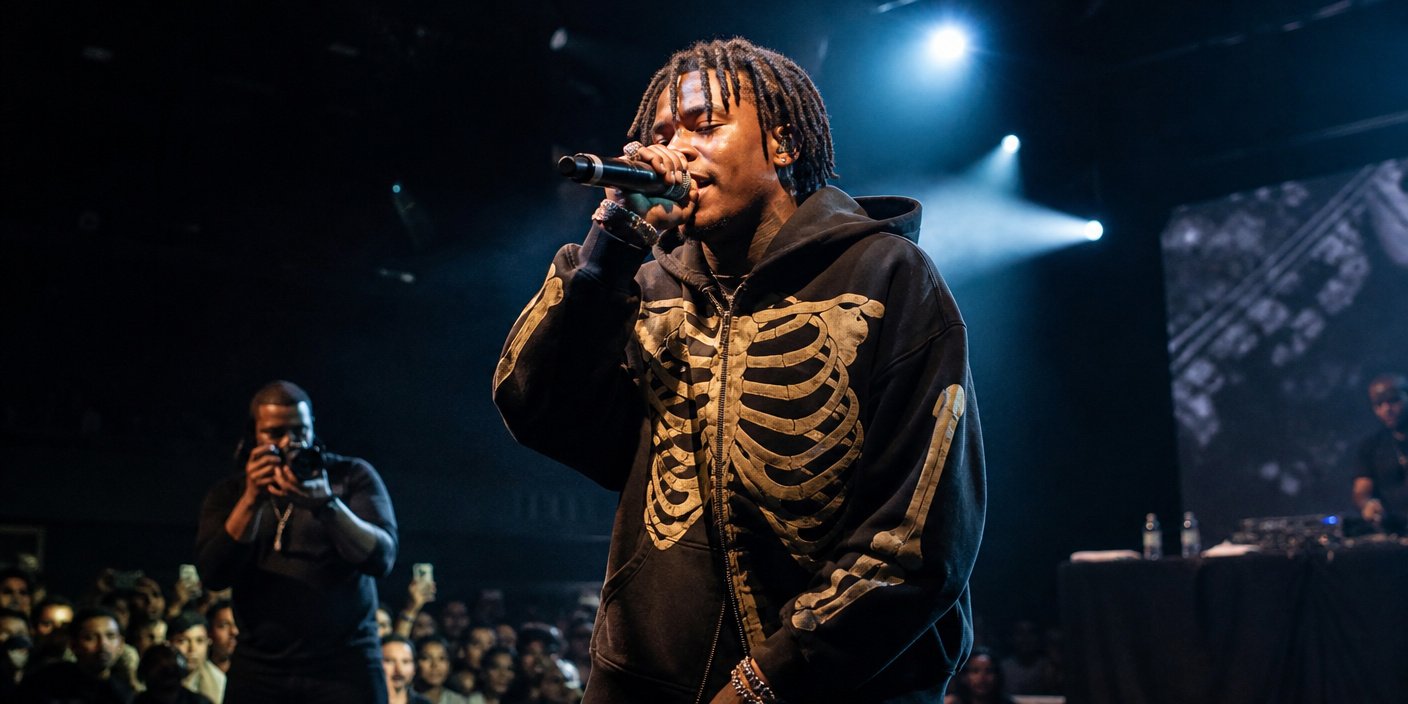
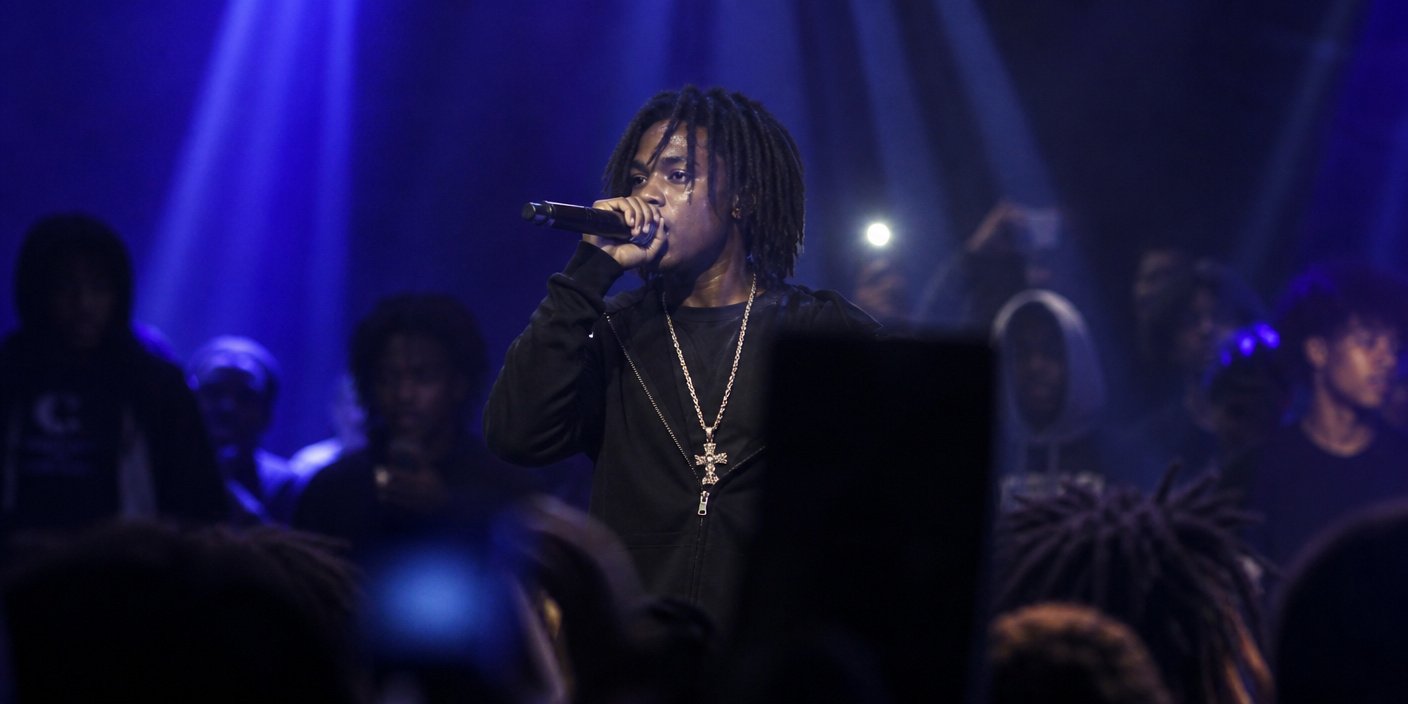
The shift is also evident among musical artists, many of whom are becoming more open about their relationship with cannabis, often discussing its role in their creative processes or personal lives. This transparency helps further normalize cannabis use within the entertainment industry.
Beyond advocacy, numerous artists are leveraging their platforms for commercial ventures, collaborating directly with cannabis brands or launching their own product lines. Prominent examples include legendary figures such as Snoop Dogg and Willie Nelson, both of whom have successfully founded their own distinct cannabis brands. These collaborations range from developing signature strains to marketing various cannabis products, further blurring the lines between celebrity, music, and the burgeoning legal cannabis industry.
Dedicated Cannabis Festivals Flourish
The increasing acceptance and commercial viability of cannabis culture have also given rise to festivals specifically centered around the plant. Events like the Cannabis Cup and the High Times Festival are prime illustrations of this trend. These gatherings are not merely markets for cannabis products; they are comprehensive cultural events that blend live musical performances with a wide array of cannabis-related activities.
Attendees at these dedicated festivals can participate in workshops on cultivation or consumption methods, explore art displays inspired by cannabis, and engage in discussions covering various facets of the industry. Topics often include legal and regulatory issues, medicinal benefits, and business opportunities within the cannabis sector. These festivals serve as significant platforms for education, advocacy, and community building within the cannabis space, using music as a central element to draw and engage diverse audiences.
The Road Ahead: Growth and Education
As the wave of cannabis legalization continues its global spread, the intricate relationship between cannabis and music culture is expected to deepen further. This ongoing convergence will likely see more innovative collaborations, evolving festival landscapes, and increased public discourse.
Crucially, alongside this growth, there remains a significant emphasis on education for safe and responsible usage. As cannabis becomes more accessible, providing accurate information on its effects, safe consumption practices, and legal guidelines becomes paramount to ensure that the positive integration of cannabis into music and festival culture proceeds responsibly and sustainably.
The intersection of cannabis and music, with its roots stretching back a century, is not just resurfacing; it is redefining itself in the era of legalization, creating new cultural norms and commercial opportunities while challenging historical perceptions.