The verdant fields and controlled environments of cannabis cultivation are undergoing a profound metamorphosis, propelled by an unprecedented wave of technological advancements and data-driven methodologies. Far from traditional imagery of growers, the industry is embracing a sophisticated, science-backed approach, transforming how plants are nurtured from seed to sale. This revolution promises not only higher yields and reduced waste but also a new era of transparency and quality control, signaling a significant windfall for cultivators poised to embrace the future. It’s a shift from intuition to information, from guesswork to precise, predictable outcomes.
The Digital Greenhouse: IoT and Machine Learning at Work
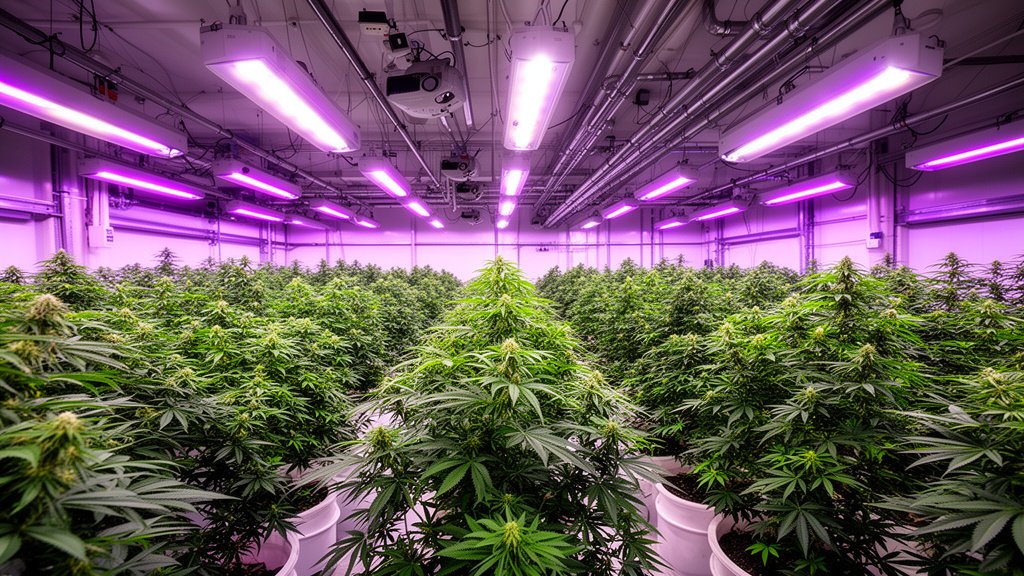
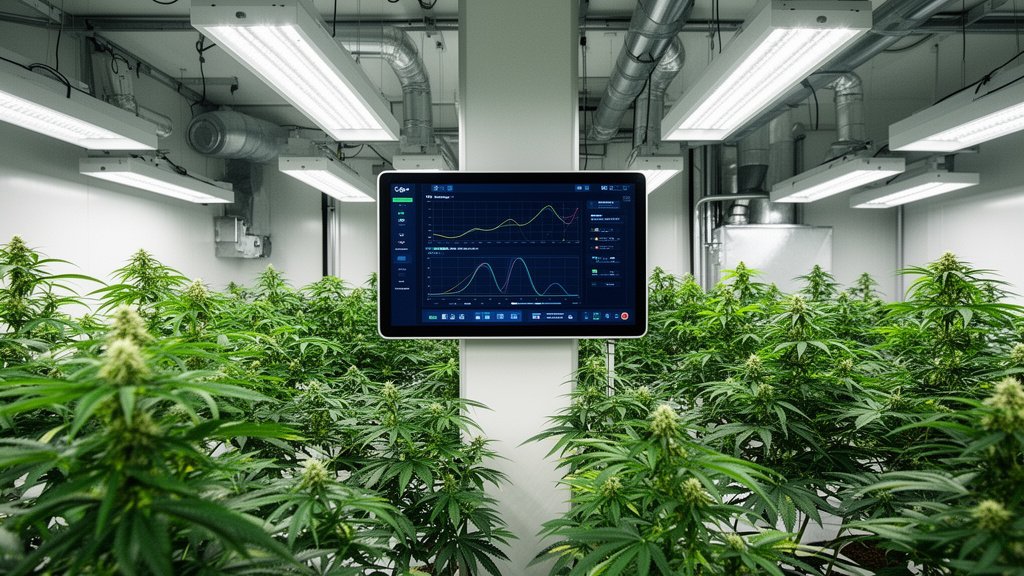
At the forefront of this transformation are emerging trends such as machine learning and the Internet of Things (IoT), which provide cultivation operations with near real-time feedback on plant health and environmental conditions. Sensors meticulously track everything from soil moisture and nutrient uptake to ambient temperature and humidity levels. This constant stream of precise data allows for unparalleled oversight, enabling growers to make instantaneous, informed adjustments. Cutting-edge research definitively indicates that precise environmental control within these sophisticated setups can improve yields by as much as 30% compared to traditional outdoor methods, a compelling statistic that underscores the power of controlled environments. Furthermore, dedicated studies on advanced LED grow light experimentations consistently show significant improvements in plant growth and development, moving beyond conventional lighting solutions to optimize light spectrums and intensity for maximum effect. The integration of these intelligent technologies represents a seismic shift from intuitive guesswork to proactive, scientific management of every growth stage.
Automated Efficiency and Resource Optimization
The synergy between automated nutrient delivery systems and sophisticated climate control mechanisms is proving to be a true game-changer for modern cannabis cultivators. By integrating these systems into a unified platform, growers have reported an impressive average increase of 25% in overall yield. This remarkable boost is achieved not through brute force but through meticulous, daily monitoring and rigorous data analytics that fine-tune every aspect of plant sustenance. These advanced systems ensure plants receive the exact amount of water, macro and micro-nutrients, and optimal temperature and humidity conditions required at every precise stage of their life cycle, preventing both wasteful over-provisioning and detrimental under-provisioning. Complementing these integrated systems, recent significant investments in advanced sensors and analytics platforms have further allowed growers to dramatically reduce resource wastage by nearly 15%. This extends across vital resources like water, energy, and nutrient solutions, contributing significantly to both the economic viability of operations and their environmental sustainability. This holistic approach offers invaluable advice for any cultivation enterprise looking to profoundly optimize its operational footprint and profitability.
Genetic Frontiers and Verifiable Quality
Beyond environmental optimization and efficient resource management, the future of cannabis production is also being shaped at the genetic level and through enhanced supply chain transparency. CRISPR-based modifications, a revolutionary gene-editing technology, are showing immense potential to precisely enhance cannabinoid production by up to 25% in experimental settings. This groundbreaking genetic engineering opens unprecedented doors to developing novel strains with highly specific cannabinoid and terpene profiles, meticulously tailored for diverse medical, recreational, and industrial applications. Simultaneously, fundamental horticultural practices remain paramount; studies confirm that maintaining balanced pH levels consistently between 6.0 and 7.0 in the root zone can, independently, increase overall cannabinoid production by up to 20%. This highlights a critical balance: while cutting-edge high-tech solutions are undeniably vital, foundational agricultural knowledge and diligent application of best practices are still crucial for maximizing desirable output. Moreover, ensuring absolute consumer trust and industry integrity is becoming increasingly achievable with the progressive adoption of blockchain technology. This innovative, distributed ledger system is beginning to offer unprecedented transparency and verifiable statistics throughout the entire production stages, from initial seed propagation and cultivation to final product distribution, thereby building a robust, immutable chain of custody that profoundly benefits both ethical producers and discerning consumers.
The cannabis industry stands on the precipice of a new era, defined by unparalleled precision, exceptional efficiency, and rigorous scientific oversight. The seamless integration of machine learning, IoT, advanced sensor technology, and pioneering genetic modification is not merely incrementally improving traditional cultivation practices; it is fundamentally redefining them for the 21st century. This pervasive technological infusion, coupled with meticulous data analytics and an unwavering commitment to transparency, promises a more bountiful, sustainable, and entirely reliable supply chain. For those enterprises embracing these transformative innovations, the future of cannabis cultivation is undoubtedly bright, characterized by maximized yields, dramatically minimized waste, and an unwavering commitment to delivering superior, traceable products to a rapidly expanding global market. The era of the data-driven cannabis farmer has unequivocally arrived, offering substantial returns for smart investments in technology and sound cultivation advice.