The organic hemp industry is experiencing a significant surge, positioning organic hemp manufacturing plants as key components of a burgeoning market projected to reach approximately $7.75 billion in 2025 and grow to an estimated $38 billion by 2035, at a compound annual growth rate of 17.2%. This expansion is fueled by increasing consumer demand for natural and sustainable products, coupled with innovative applications across diverse sectors including textiles, bioplastics, health supplements, cosmetics, and wellness. Setting up such a plant in 2025 involves a comprehensive roadmap, from cultivation to sophisticated product development, emphasizing organic practices and regulatory compliance.
The Evolving Landscape of Organic Hemp
Organic hemp, cultivated without synthetic pesticides or chemical fertilizers, is a highly versatile commodity. Its value extends beyond wellness products like CBD oil, encompassing industrial applications such as textiles, paper, and bioplastics. The global hemp market is on a strong upward trajectory, with recent news highlighting a projected surpassing of $20 billion in 2025, driven by wellness products and industrial uses. This growth is further bolstered by sustainability trends, making hemp a preferred choice for eco-conscious manufacturing. The demand for certified organic hemp products is particularly strong, supported by premium pricing opportunities and alignment with regenerative agricultural practices.
Establishing the Manufacturing Infrastructure
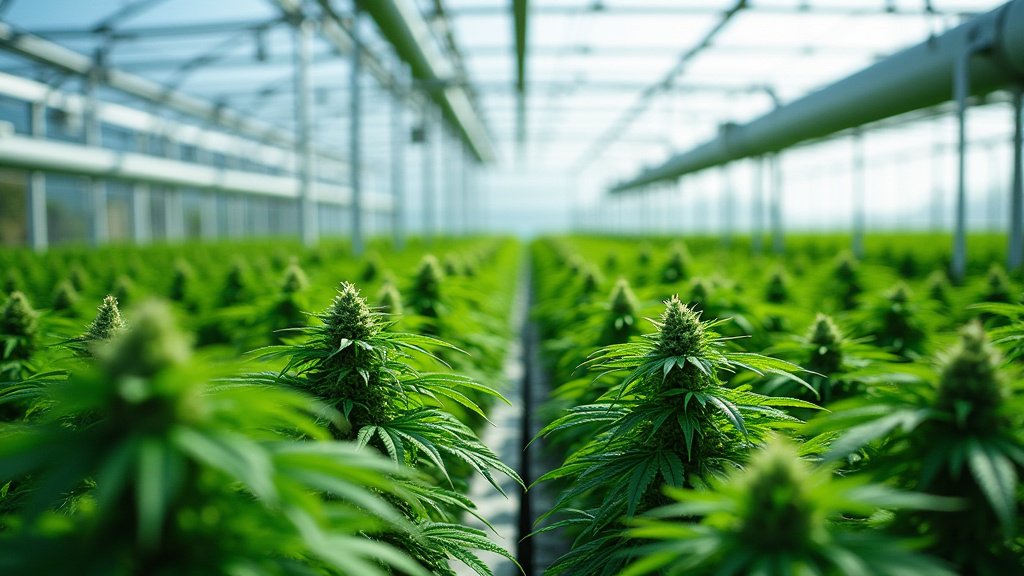
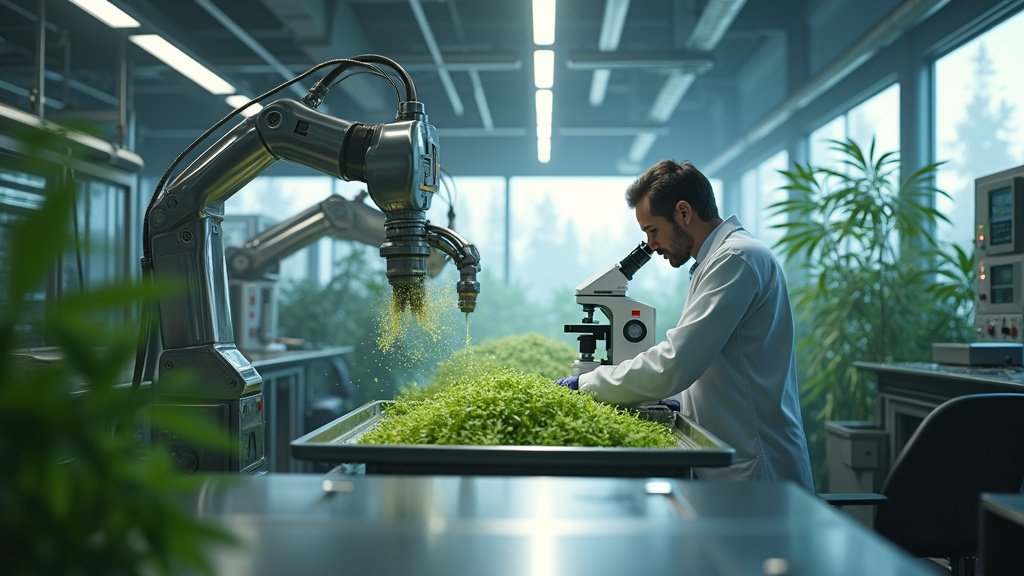
Establishing an organic hemp manufacturing plant requires meticulous planning regarding infrastructure, machinery, and operational processes. The journey begins with suitable farmland for organic cultivation, adhering to strict standards to maintain organic certification from bodies like the USDA’s National Organic Program. Specialized machinery is critical for efficient harvesting and processing, including decorticators for fiber separation, drying units, and oil extraction systems. Innovations in cultivation and processing equipment are continuously enhancing efficiency and cost-effectiveness. For instance, automated systems, IoT sensors, and advanced extraction technologies are transforming production from field to finished product. Companies are developing cutting-edge tools for every stage, from planting and harvesting to refining biomass and extracting valuable compounds.
Navigating Regulations and Certifications
Compliance with agricultural and industrial regulations is paramount for any organic hemp manufacturing operation. The legal framework has significantly evolved, notably with the 2018 Farm Bill in the United States, which legalized hemp cultivation and removed it from the Controlled Substances Act. However, growers and manufacturers must navigate a complex web of federal, state, and local laws, including obtaining necessary licenses and adhering to THC concentration limits. Organic certifications are crucial for market access and consumer trust, demonstrating adherence to stringent farming and processing standards. Standards like the Responsible Hemp Standard (RHS) aim to enhance traceability, sustainability, and social compliance throughout the supply chain.
Key Trends and Market Drivers
Several trending factors are shaping the organic hemp manufacturing sector. The increasing demand for plant-based and sustainable alternatives across food, beverage, personal care, and textile industries is a primary driver. Hemp’s potential in bioplastics and construction materials, such as hempcrete, offers significant opportunities for reducing reliance on conventional, less sustainable materials. While the cannabis industry is often associated with CBD, industrial hemp’s applications in fiber and grain are expanding, creating diverse revenue streams. The market is also seeing a push towards premiumization, with consumers increasingly valuing transparency and certified organic origins.
Challenges and Opportunities Ahead
Despite the robust growth, challenges persist. Infrastructure limitations, regulatory complexities across different regions, and market volatility can pose significant hurdles. The initial setup costs for specialized equipment and the need for skilled labor also require careful financial planning. However, these challenges are increasingly being met with innovative solutions and strategic investments. Opportunities abound in product development, market expansion, and leveraging hemp’s unique environmental benefits. Collaboration between researchers, farmers, and manufacturers is vital for overcoming obstacles and unlocking the full potential of this versatile crop. As the industry matures, a focus on sustainability, quality control, and market education will be key to long-term success. The news surrounding organic hemp manufacturing points towards a future where these plants are central to sustainable industrial and consumer goods production.