The cannabis industry, while experiencing rapid growth, is increasingly confronting its environmental footprint. In 2025, a significant shift is underway, with leading cannabis cultivation operations embracing sustainability not merely as a trend, but as a fundamental pillar for long-term viability and market success. This evolution is driven by a confluence of factors: mounting regulatory pressures, a growing consumer demand for eco-conscious products, and a clear understanding that environmental stewardship directly correlates with operational efficiency and profitability.
Water Conservation: A Precious Resource Managed Smartly
Water usage has long been a critical concern in cannabis cultivation. However, modern operations are employing sophisticated strategies to address this challenge. Smart irrigation systems, leveraging soil moisture sensors and automated controls, deliver water precisely to plant roots, minimizing waste from evaporation and overspray, and can reduce consumption by up to 60%. Many facilities are also implementing water reclamation technologies, such as closed-loop hydroponic systems that recycle up to 90% of water, and capturing HVAC condensate for reuse. For growers, advice often centers on optimizing irrigation schedules and selecting drought-resistant strains, further reducing water dependency.
Energy Efficiency: Powering Plants Responsibly
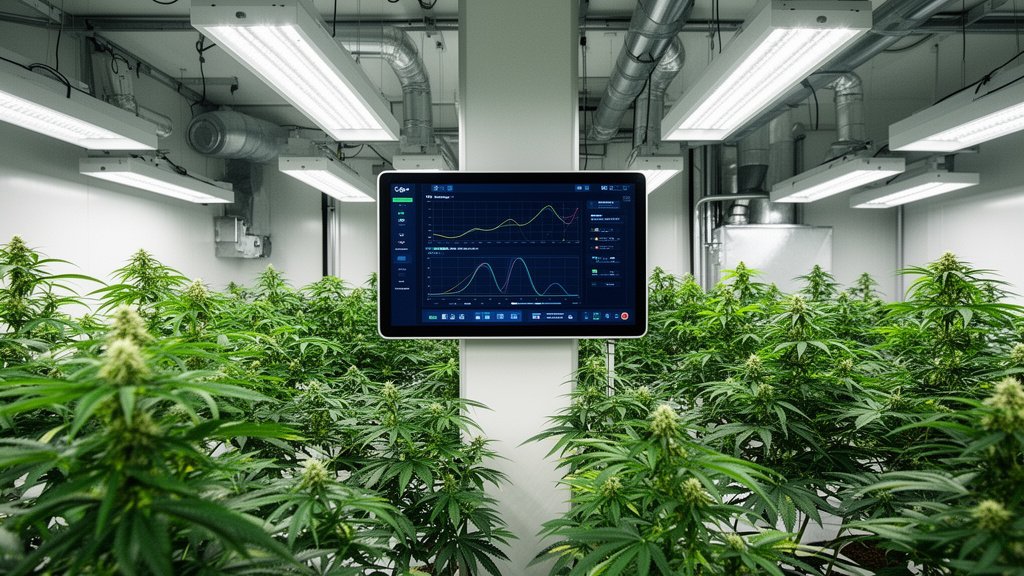
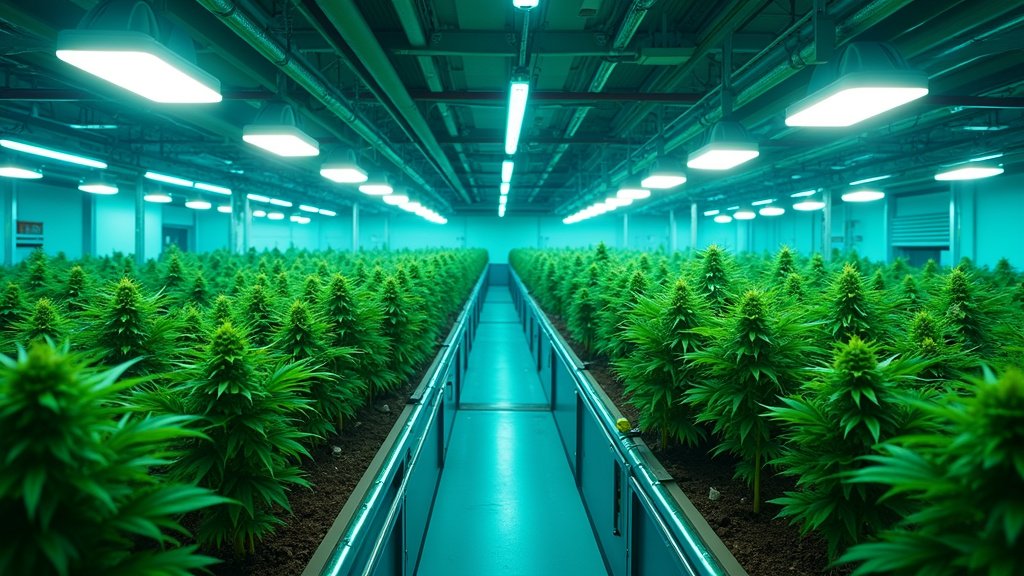
The energy-intensive nature of indoor cannabis cultivation, often compared to data centers in its consumption, is being met with innovative solutions. A primary focus is the adoption of energy-efficient LED lighting systems, which use significantly less electricity and generate less heat than traditional HID lamps, leading to reduced cooling demands and potential energy savings of up to 40%. Beyond lighting, smart HVAC systems and advanced climate control technology optimize temperature and humidity levels with minimal energy waste. Increasingly, facilities are integrating renewable energy sources like solar and wind power to reduce reliance on fossil fuels, with some operations exploring hybrid greenhouse models that maximize natural sunlight.
Waste Reduction and Circular Economy Principles
Minimizing waste is paramount for sustainable cannabis operations. This extends from cultivation to packaging. Composting plant waste, including stems and trim, transforms it into nutrient-rich soil amendments, thereby reducing landfill contributions and the need for external fertilizers. Many companies are embracing circular economy principles, repurposing by-products like hemp stalks into valuable materials such as fiber or biochar. Packaging is another major area for improvement, with a move towards biodegradable, recyclable, or reusable materials like glass, paper, and plant-starch-based alternatives, reducing the reliance on single-use plastics that are difficult to recycle. Initiatives like the High 5 Initiative are actively tackling packaging waste through consumer return programs.
Regenerative Agriculture: Healing the Land
Beyond simply being “sustainable,” many leading cultivators are adopting regenerative agriculture practices. This holistic approach aims to actively improve the environment by restoring soil health, increasing biodiversity, and enhancing water cycles. Techniques such as cover cropping, no-till farming, composting, and the use of living soil systems build soil biology, sequester carbon, and reduce the need for synthetic inputs. This method not only produces healthier plants but also contributes to a more resilient ecosystem and can lead to premium pricing due to consumer preference for “cleaner” products.
The Consumer Connection and Market Advantages
Consumer demand is a powerful driver for sustainability. Millennials and Gen Z, in particular, prioritize eco-conscious brands, with a significant portion factoring sustainability into their purchasing decisions. This trend translates into market advantages for cannabis companies that adopt green practices, including an improved brand image and the potential for premium pricing. Transparency through certifications and clear communication about sustainable methods is becoming a key differentiator.
Advice for the Future
The future of cannabis cultivation in 2025 and beyond hinges on embracing these integrated sustainable practices. From optimizing water and energy usage with smart technology to regenerating the soil and minimizing waste, operations that prioritize environmental stewardship are not only contributing to a healthier planet but are also positioning themselves for greater efficiency, reduced costs, and enhanced market appeal. For growers looking to thrive, the advice is clear: integrate sustainability into every aspect of cultivation, from seed to sale, to cultivate a greener future.
This comprehensive approach to sustainable cannabis cultivation ensures that the industry can grow responsibly, meeting both market demands and ecological imperatives.