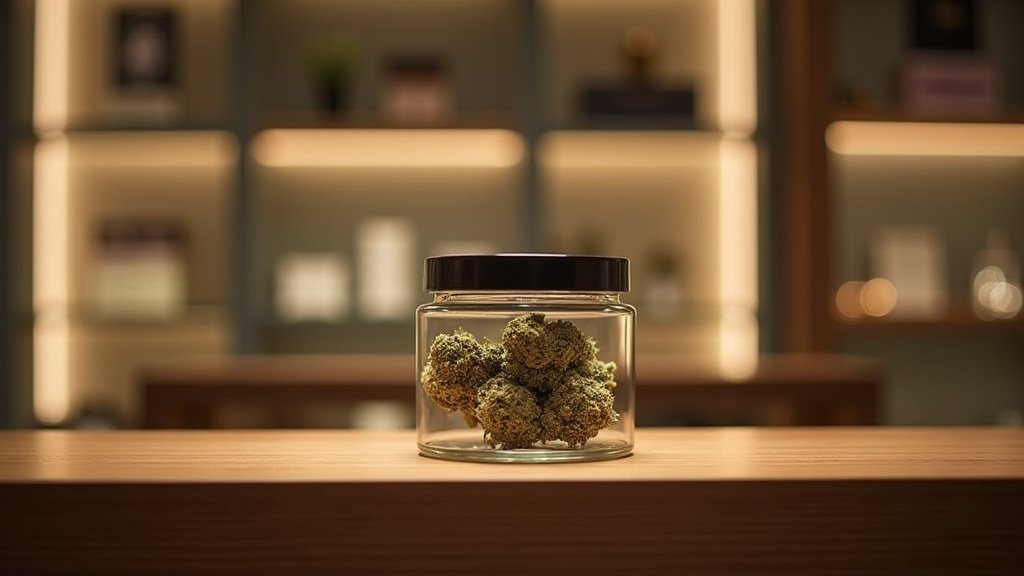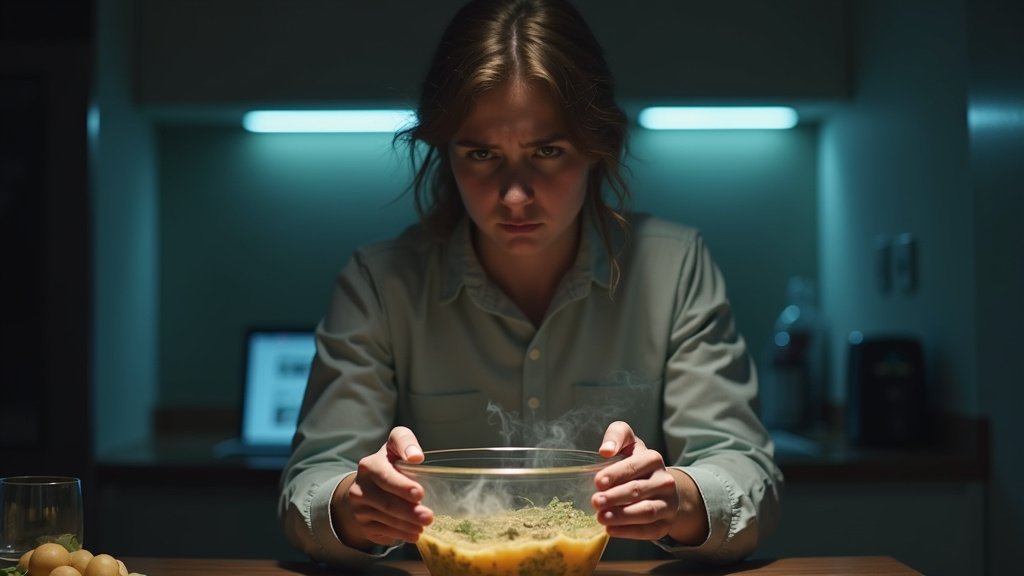
A burgeoning trend on social media platforms, particularly TikTok, is prompting urgent health warnings from experts. The practice of incorporating both alcohol and cannabis into meals, often shared through viral videos, is being flagged as potentially dangerous, with concerns ranging from cardiovascular distress to severe mental health repercussions. Users are touting these culinary creations as “the new way of getting high,” but health professionals are emphasizing the significant risks involved.
The Rise of Dual-Infused Cuisine
Social media is abuzz with videos showcasing individuals cooking dishes while adding alcohol and, in some instances, cannabis. This method of consumption, often referred to as “the new way of getting high,” bypasses traditional consumption routes, aiming for a potent psychoactive experience through food. The visual and shareable nature of these online demonstrations has accelerated its spread, making it a significant news item in public health discussions.
Cardiovascular Risks from Residual Alcohol
Public health experts are particularly concerned about the lingering presence of alcohol in cooked food. It is a common misconception that all alcohol evaporates during the cooking process. However, residual amounts can remain, especially with certain cooking methods, and can exert stress on the cardiovascular system. Studies indicate that alcohol consumption, even in moderate amounts, can have complex effects on cardiovascular health, potentially exacerbating conditions like hypertension and increasing the risk of heart disease and stroke.
Cannabis Amplifies Dangers
The inclusion of cannabis alongside alcohol in cooking amplifies the inherent risks. When cannabis is consumed in edible form, its effects are often delayed, more intense, and longer-lasting than when inhaled. This delayed onset can lead users to consume more than intended before the effects manifest, increasing the likelihood of accidental overdose and acute distress. The specific strain of cannabis used can also influence the potency and the nature of the experience, with higher THC concentrations potentially leading to more severe reactions. The combination with alcohol can accelerate THC absorption, leading to an intensified, overwhelming experience known as “cross-fading”.
Mental Health and Vulnerable Populations at Risk
Beyond physical health, the dual-infused meals pose considerable threats to mental well-being. Experts warn of heightened anxiety, panic attacks, paranoia, and even psychosis in vulnerable individuals. The sedative effects can also lead to pronounced drowsiness, which is particularly perilous for children who might accidentally ingest these substances. Health practitioners emphasize that vulnerable groups, including children, pregnant women, and individuals with pre-existing medical conditions, are at the highest risk, as even small amounts can have devastating consequences.
Legal and Regulatory Gray Areas
While the legal status of cannabis varies globally, its use in food remains illegal in many jurisdictions, including Nigeria. The production and sale of cannabis-infused alcoholic beverages are also prohibited in many places, highlighting the complex regulatory environment surrounding these combined substances. This legal ambiguity adds another layer of concern to an already risky practice.
Expert Admonitions and Urgent Calls for Caution
Health authorities are strongly advising the public, especially younger demographics influenced by social media trending content, to steer clear of cooking with alcohol and cannabis. Professionals stress that these are not harmless experiments and can lead to serious health crises, both physical and psychological. They advocate for food to remain a source of nourishment and well-being, free from harmful substances.
Conclusion
The viral trend of cooking with alcohol and cannabis, while visually appealing on social media, carries substantial and potentially life-threatening health risks. From cardiovascular strain due to residual alcohol to amplified mental health issues and overdose risks from potent cannabis edibles, the dangers are significant. Health experts urge individuals to prioritize safety and well-being by avoiding these practices and relying on fresh, natural ingredients for nourishment.