Embarking on the journey of growing your own cannabis can be a rewarding experience, offering a deeper understanding of this complex plant. For beginners, navigating the world of cultivation may seem daunting, but with the right advice and a methodical approach, successful growth is well within reach. This guide provides essential information to help new growers cultivate cannabis, covering everything from choosing a growing environment to the final harvest.
Indoor vs. Outdoor Cultivation: Where to Begin
The first critical decision for any aspiring cannabis grower is selecting the appropriate environment: indoor or outdoor. Each offers distinct advantages and challenges.
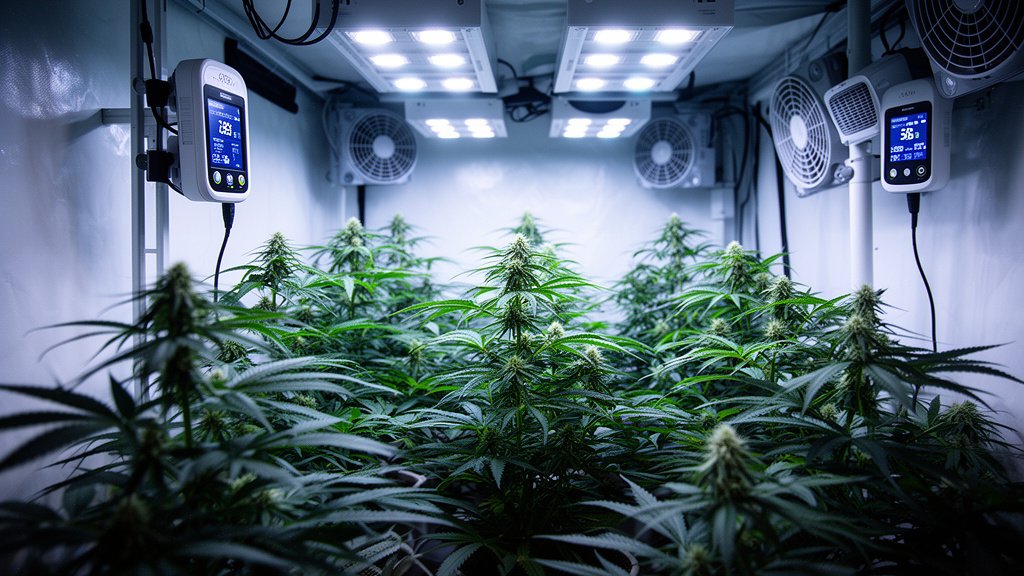
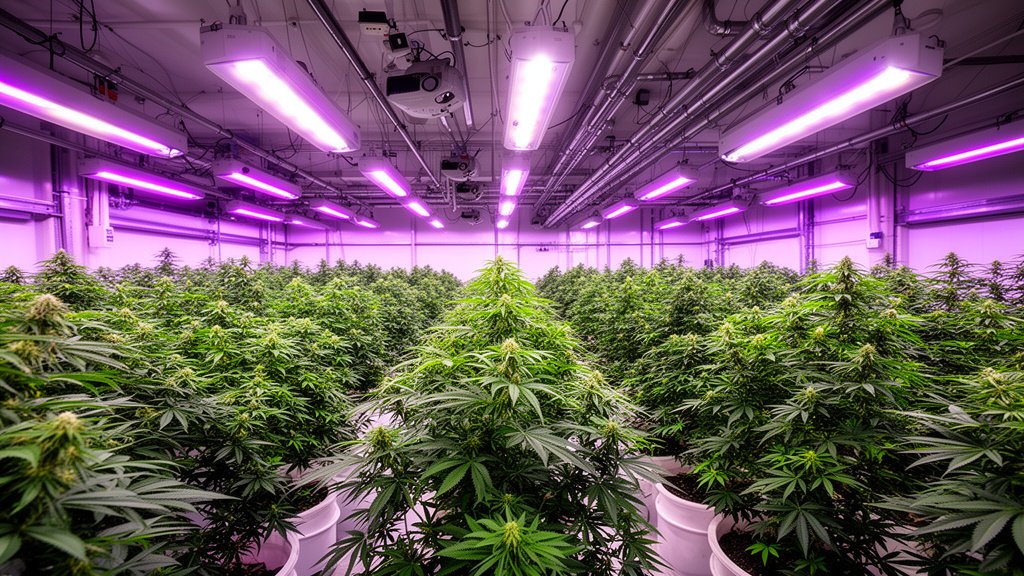
Indoor Cultivation provides growers with complete control over environmental variables such as light, temperature, humidity, and airflow. This is ideal for maintaining optimal conditions, especially for photoperiod strains that require precise light cycles to trigger flowering. Growers often use grow tents or dedicated rooms, equipping them with specialized lighting (like full-spectrum LEDs), ventilation systems, and climate control tools. While this offers superior control and the possibility of multiple harvests per year, it typically involves higher initial costs and ongoing electricity expenses.
Outdoor Cultivation leverages natural sunlight and environmental conditions, making it a more cost-effective and often simpler method, especially in favorable climates. Plants can grow larger outdoors, potentially yielding more due to abundant space and sunlight. However, outdoor grows are subject to weather fluctuations, pests, and potential theft, requiring a secure, sunny, and sheltered location with at least six months of warm weather.
Germinating Cannabis Seeds: The First Sprout
Successful cannabis cultivation begins with viable seeds. High-quality seeds are essential for robust growth. Germination requires a combination of moisture, warmth, and darkness.
Common germination methods include:
* The Paper Towel Method: Moisten a paper towel, place seeds between its damp layers, and keep it in a warm, dark place. Once a taproot emerges (typically 0.5-1 inch long), gently transfer the seed to your growing medium.
* Direct Soil Planting: Plant seeds about half an inch deep in a moist, well-draining medium. Keep the soil consistently warm (ideal germination temperatures range from 21-29°C or 70-85°F) and dark.
Regardless of the method, ensuring seeds remain moist but not waterlogged is crucial.
The Foundation: Soil, pH, and Nutrients
The growing medium provides stability and essential nutrients. For cannabis, a light, airy, and well-draining soil mix or coco coir is generally preferred. Maintaining the correct pH is paramount, as it directly influences nutrient absorption. For soil cultivation, the ideal pH range is typically between 6.0 and 7.0. Hydroponic or coco coir mediums prefer a slightly lower range of 5.5 to 6.5. Regularly testing and adjusting pH levels ensures plants can access vital nutrients and prevents nutrient lockout.
During the vegetative stage, plants require nutrients rich in nitrogen. As they transition to flowering, phosphorus and potassium become more critical. It’s vital to avoid overfeeding, as this can lead to nutrient burn.
Lighting: Fueling Growth
Light is fundamental for photosynthesis. Cannabis plants require different light schedules and spectrums at various growth stages.
* Seedling Stage: Requires gentle light for 18-24 hours a day, often with a blue-heavy spectrum to promote compact growth.
* Vegetative Stage: Typically 18 hours of light per day, encouraging foliage and stem development. Full-spectrum LEDs or lights with a blue emphasis are beneficial.
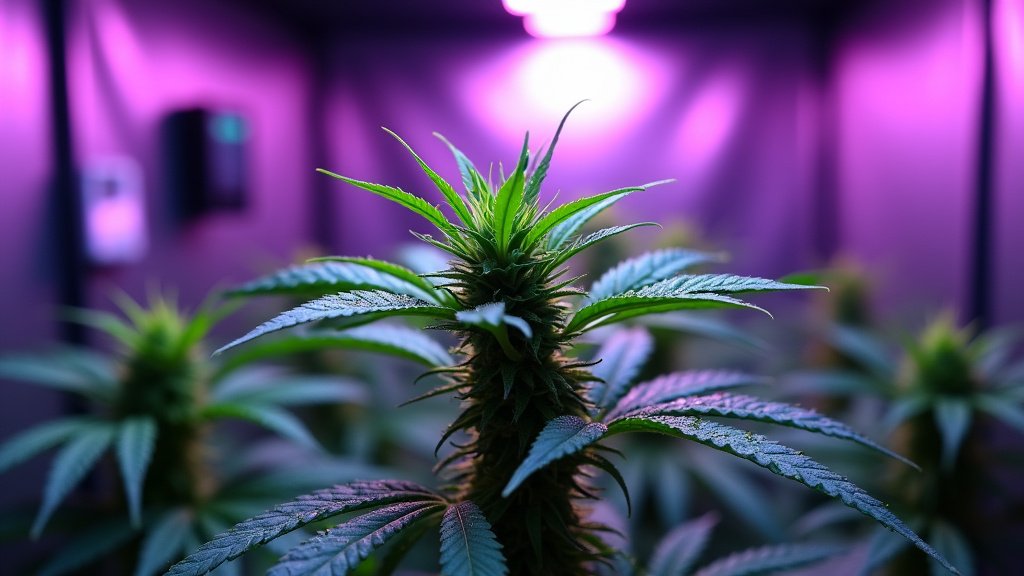
* Flowering Stage: A strict 12 hours of light followed by 12 hours of uninterrupted darkness is essential to trigger bud production. A spectrum rich in red light promotes flower development.
Insufficient or excessive light can lead to stunted growth or light burn. Using timers ensures consistent light cycles, which is vital for photoperiod plants.
Environmental Control: Temperature, Humidity, and Airflow
Controlling the growing environment is key to healthy cannabis cultivation.
* Temperature: Daytime temperatures are generally ideal between 21-29°C (70-85°F), with slightly cooler temperatures at night.
* Humidity: Seedlings thrive in higher humidity (65-70%), while the vegetative stage may prefer 40-60%. During flowering, humidity should be reduced to 40-50% to prevent mold and mildew.
* Airflow: Adequate ventilation and circulation are crucial. Fans help regulate temperature and humidity, remove stale air, and prevent the buildup of mold and pests.
Avoiding Common Pitfalls
Beginners often encounter common mistakes. Overwatering is a leading cause of plant distress, leading to root rot and stunted growth. Underwatering can stress plants and halt development. Inadequate lighting, nutrient overload or deficiencies, and neglecting pH levels are also frequent errors. Patience and keen observation are essential; avoid the temptation to harvest too early.
Legal Considerations
It’s important to be aware of the legal landscape surrounding cannabis cultivation. Laws vary significantly by region, often specifying limits on the number of plants that can be grown and requiring cultivation to occur in private, secure locations. Always research and comply with your local regulations to ensure legal compliance.
Conclusion
Growing cannabis is a journey of learning and adaptation. By understanding the fundamental needs of the plant—from selecting the right environment and providing optimal light and nutrients to managing environmental factors—beginners can lay the groundwork for a successful harvest. With patience, continuous learning, and careful attention to detail, you can enjoy the satisfaction of cultivating your own cannabis.