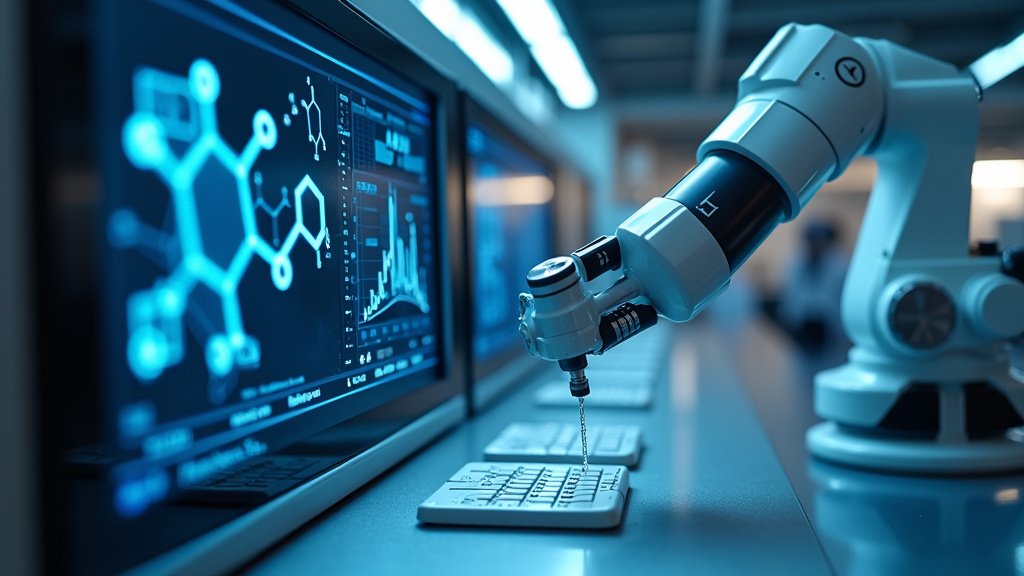
The Central Government Lab (CGL) in Bermuda is actively seeking to upgrade its analytical capabilities with state-of-the-art equipment for testing cannabis and cannabis-derived products. This strategic procurement initiative aims to replace obsolete machinery and enhance the lab’s capacity to provide accurate cannabinoid profiles, a crucial step in ensuring compliance with evolving regulations and safeguarding public health.
Modernizing Analytical Tools for Cannabis Compliance
The CGL has issued a request for proposals to acquire and install a high-performance liquid chromatograph with diode array detection (HPLC-DAD). This sophisticated piece of equipment is designed to offer precise analysis of cannabinoids, a fundamental requirement for any jurisdiction moving towards regulated cannabis markets. The current testing apparatus, originally purchased in 2009, has reached the end of its operational life, proving irreparable and incapable of analyzing critical compounds like THCA. The inability to test for THCA presents a significant gap, as this compound plays a vital role in determining the full potency potential of cannabis products before they are consumed.
The successful vendor for this tender will be responsible not only for the supply and installation of the new HPLC-DAD system but also for its calibration, ongoing maintenance, and comprehensive training for CGL staff. This holistic approach ensures that the laboratory is equipped with the necessary knowledge and tools to operate the advanced equipment effectively. A recent tender notice for the “Supply & Install High Performance Liquid Chromatograph (HPLC) for Analysis of Cannabinoids” by the Department of Health, Central Government Lab, indicates a procurement deadline of December 22, 2025. This ongoing effort underscores Bermuda’s commitment to enhancing its regulatory infrastructure.
The Critical Role of THCA Analysis in Cannabis Testing
Understanding the distinction between THCA (Tetrahydrocannabinolic acid) and THC (Delta-9-THC) is paramount in modern cannabis testing. THCA is the non-psychoactive precursor found in raw cannabis plants. When exposed to heat—a process known as decarboxylation—THCA converts into THC, the compound responsible for the psychoactive “high.” Fresh cannabis naturally contains high levels of THCA, with minimal THC. However, older, improperly stored, or heated cannabis will show higher THC and lower THCA levels.
Accurately measuring both THCA and THC is essential for several reasons. It allows for the determination of a product’s freshness and its potential psychoactive potency upon consumption. Furthermore, precise cannabinoid profiling is critical for regulatory compliance, particularly in jurisdictions that set strict limits on THC content, such as the 0.3% delta-9-THC threshold for hemp products. Traditional testing methods, like older gas chromatography systems that use high heat, can inadvertently convert THCA into THC during the analysis, leading to skewed results and an inaccurate representation of the product’s true cannabinoid profile. HPLC-DAD systems offer superior precision in distinguishing and quantifying these crucial compounds.
Trending Equipment and Evolving Cannabis Markets
The global cannabis industry is experiencing rapid growth, with a corresponding surge in demand for sophisticated and reliable testing equipment. Trends in cannabis testing equipment are leaning towards greater precision, sensitivity, and automation. Beyond HPLC-DAD, other advanced tools include Gas Chromatography-Mass Spectrometry (GC-MS) for terpene and residual solvent analysis, and Inductively Coupled Plasma Mass Spectrometry (ICP-MS) for heavy metal detection.
Future advancements in this sector are pointing towards portable testing devices for on-site analysis, automated workflows to increase efficiency, and the integration of technologies like AI and machine learning for enhanced data interpretation. As regulatory frameworks continue to mature worldwide, the need for standardized, accurate, and comprehensive testing becomes increasingly vital. Laboratories are also increasingly seeking ISO accreditation, such as ISO 17025, to demonstrate competence and uphold global standards in their analytical processes.
Bermuda’s Path to Cannabis Regulation
Bermuda has been navigating its own complex journey toward establishing a regulated cannabis framework. While medical cannabis use has been legal since 2016, and simple possession of small amounts has been decriminalized since 2017, broader legislative efforts to legalize recreational cannabis have faced political hurdles. The proposed Cannabis Licensing Act 2020/2021 aimed to create a comprehensive regulatory system for cultivation, manufacturing, retail, and export.
The establishment of a robust testing infrastructure, like the one supported by advanced equipment at the Central Government Lab, is fundamental to the success and integrity of any regulated cannabis market. It ensures that products available to consumers meet stringent safety, potency, and quality standards, fostering trust and supporting potential economic development within the sector.
Conclusion
The Bermuda Central Government Lab’s initiative to acquire advanced THC-detection equipment marks a significant step towards modernizing its regulatory oversight of cannabis products. By investing in cutting-edge tools, particularly an HPLC-DAD system capable of precise THCA analysis, Bermuda is demonstrating its commitment to scientific accuracy, consumer safety, and compliance with the trending best practices in global cannabis regulation. This upgrade will undoubtedly play a crucial role in supporting the island’s evolving cannabis landscape and ensuring the integrity of its developing industry.