Kenya’s Art and Music Scenes Defy Colonial Cannabis Laws, Fostering a Thriving Culture
Nairobi, Kenya – In the vibrant heart of Kenya, a cultural renaissance is underway, where music and art are not only shaping contemporary identity but also subtly challenging deeply entrenched colonial-era laws. Despite cannabis remaining illegal, a growing movement led by musicians and visual artists is fostering a resilient cannabis culture, breathing new life into narratives surrounding the plant and sparking conversations about reform. This is news that reflects a broader societal shift, where creative expression acts as a powerful force in redefining perceptions.
Echoes of Colonial Prohibition
The criminalization of cannabis in Kenya traces its roots back to the early 20th century. Influenced by international pressure and diplomacy rather than local evidence, colonial authorities enacted the Abuse of Opiates Prevention Ordinance in 1914. This legislation, a direct consequence of agreements like the International Opium Convention of 1912, prohibited cannabis use despite earlier British findings suggesting moderate use caused no significant harm. These colonial laws, which criminalized possession and use with severe penalties including lengthy prison sentences and heavy fines, continue to shape Kenya’s restrictive drug policies today. The legacy of this period is significant, with many questioning whether laws enacted under colonial rule should continue to dictate modern societal norms.
Gengetone and Street Art: A New Narrative
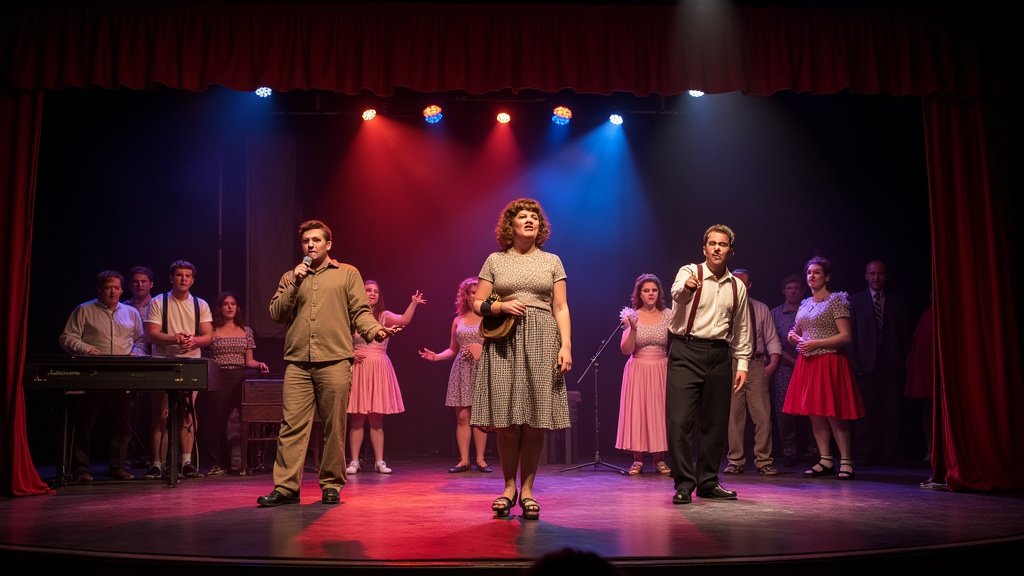
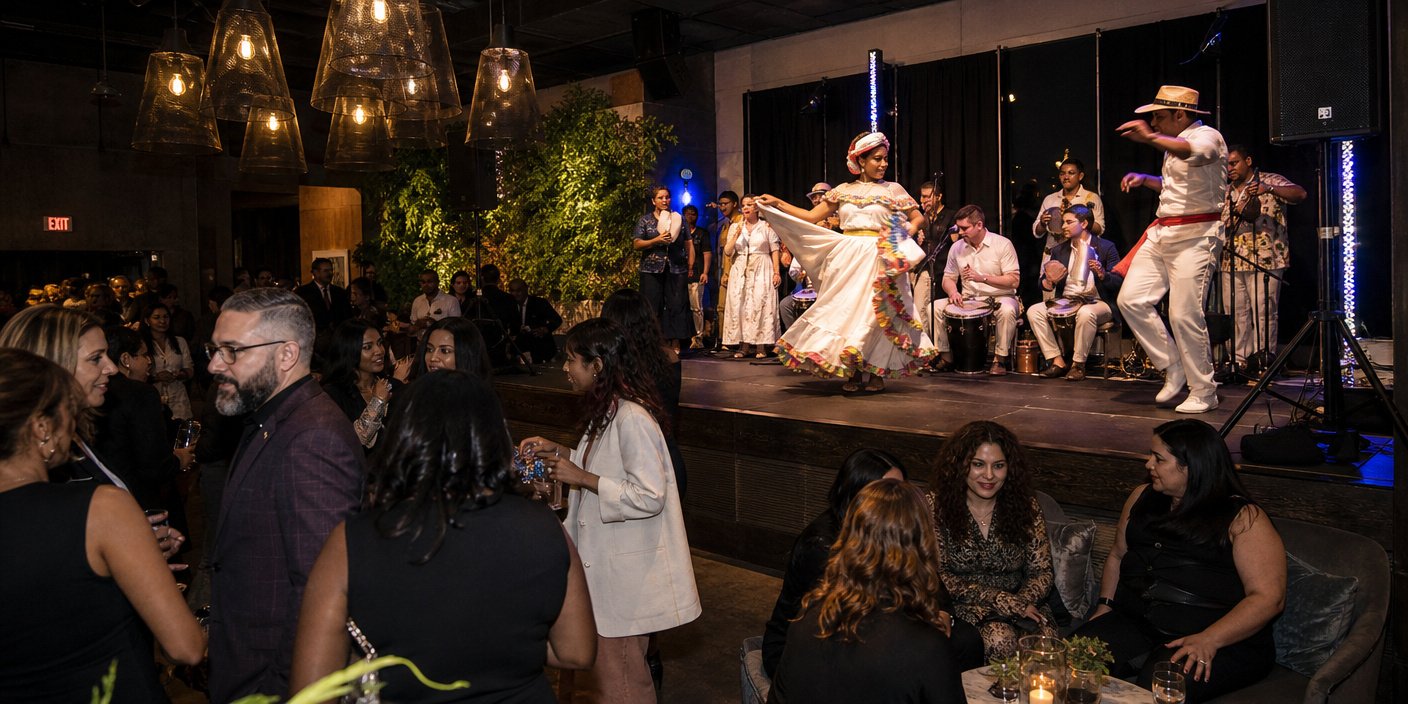
Amidst this legal framework, Kenya’s dynamic music and art scenes are offering a counter-narrative. The energetic Gengetone music genre, which blends dancehall and reggaeton with local Sheng slang, often features subtle lyrical references and themes that resonate with youth culture, including nods to cannabis. These artists are capturing the everyday experiences of young Kenyans, normalizing discussions around substances and reflecting a generation that is increasingly open to challenging established taboos.
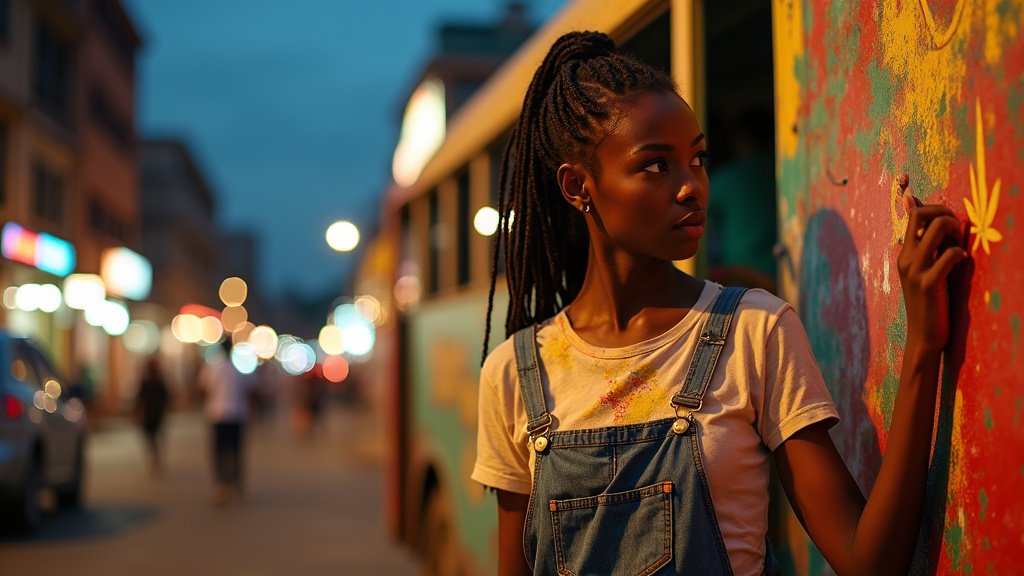
Parallel to the music scene, street art and the iconic matatu culture—Kenya’s elaborately decorated public transport minibuses—serve as vibrant canvases for cultural expression. Murals and graffiti adorning these vehicles frequently incorporate cannabis iconography, Rastafarian colors, and coded messages, acting as a visual dialogue about societal issues and artistic freedom. These artistic statements not only celebrate cannabis but also subtly highlight the ongoing conversations about colonial legacy laws, demonstrating how art can serve as a form of advocacy and resistance. This trending form of expression is transforming public spaces into galleries that reflect contemporary Kenyan life.
Youth, Rastafari, and Cultural Persistence
The younger generation, particularly Gen Z, is at the forefront of this cultural shift. Influenced by global trends and digital media, they are increasingly viewing cannabis as acceptable for recreation and wellness, pushing back against outdated societal restrictions. This widespread use among youth is a notable aspect of the current news cycle, despite the legal prohibitions.
Furthermore, the Rastafari community in Kenya plays a significant role, advocating for the legalization of cannabis for religious and spiritual purposes. They view cannabis as a sacred herb, integral to their faith, and have petitioned the courts to recognize its ceremonial use, arguing that current laws are prejudiced against their religious practices. Their activism underscores the deep cultural and spiritual connections many Kenyans have with the plant, connections that predate colonial prohibition.
Navigating the Legal Landscape
While cannabis remains illegal, the public discourse surrounding its potential for medicinal use, industrial applications like hemp, and economic benefits is growing stronger. Figures like the late MP Ken Okoth and presidential candidate George Wajackoyah have brought the debate to the forefront, proposing bills and advocating for reform. Despite these movements, the government has largely maintained its stance against legalization, though a robust national debate is clearly underway.
The creative output from Kenya’s music and art scenes is a testament to the resilience of cultural expression. It reflects a society that is actively engaging with its past while forging a new future, demonstrating how art and music can become potent vehicles for social commentary and change. As these artistic narratives continue to evolve, they contribute to a broader conversation that may eventually influence policy and reshape the future of cannabis in Kenya. This ongoing story, rich with cultural nuance and societal commentary, is a compelling piece of contemporary Kenyan news.