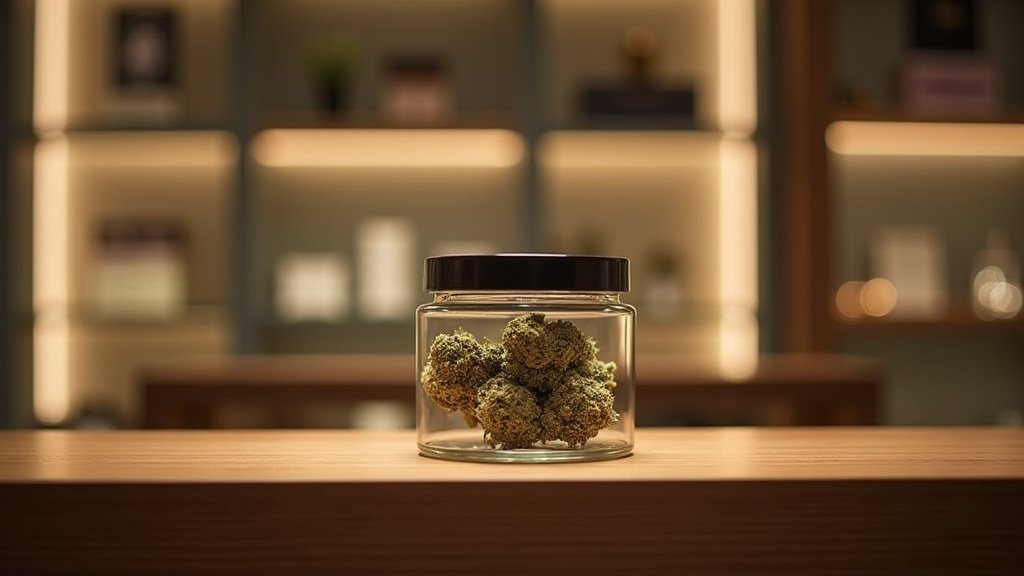
Australia’s medicinal cannabis import quota for 2025 has been significantly reduced, marking a pivotal moment in the nation’s journey towards greater self-sufficiency in cannabis production. The International Narcotics Control Board (INCB) has officially lowered the country’s import quota from 101 tonnes to 88 tonnes, a move directly attributed to a substantial increase in domestic cultivation and a history of underutilised import permits.
The Policy Shift: Addressing Over-Forecasting
The Office of Drug Control (ODC), which manages Australia’s controlled substances, confirmed the reduction in October 2025, citing that utilisation of import quotas has consistently fallen below projected levels. For years, the ODC received import applications far exceeding actual import volumes. Many permit holders failed to use their allocated quotas or imported substantially less than forecast, leading to an inefficient allocation of international supply capacity. To rectify this, the ODC has implemented new rules: companies failing to import at least 75 percent of their approved volumes in 2025 will face reduced forecasts for 2026, ensuring greater alignment between estimated and actual needs. Importers are also now required to return unused permits and accurately declare their needs for the following year to prevent double-counting. This strategic adjustment contrasts with other markets, such as Germany, which is increasing its import ceilings due to high patient demand.
Australia’s Booming Local Cultivation
This reduction in import quotas is underpinned by a dramatic surge in Australia’s domestic cannabis production. Local cultivation has seen remarkable growth, with output rising from approximately 26,593 kilograms in 2023 to an estimated 41,328 kilograms in 2024. This significant increase reflects growing investment in cultivation facilities across the country and a commitment to meeting the escalating domestic demand from within Australia’s borders. In 2024, imports also saw a sharp rise to 77,406 kilograms, but the pace of domestic production growth suggests a converging supply landscape.
Industry Reshaping: Key Players and Product Innovation
The evolving market is seeing Australian companies and their partners innovate and expand their offerings. New Zealand-based medical cannabis producer Puro, in partnership with Cannatrek, is now supplying two new live-dried flower products to Australian patients: Oreoz THC and Ultra Pink CBD. Oreoz THC is described as a hybrid strain with indica traits, known for its rich flavour profile. Ultra Pink CBD is a potent CBD strain with sweet aromas. These new offerings highlight the increasing diversity and quality available from local production.
In parallel with import quota adjustments, the Department of Agriculture, Fisheries and Forestry (DAFF) has also introduced a new packaging policy. Effective September 2025, dried cannabis plant parts, excluding seeds, can be imported in 10-gram packages without requiring inspection, a measure designed to mitigate biosecurity risks.
Market Implications and Future Outlook
This policy shift signifies a deliberate move by Australia to bolster its domestic medicinal cannabis industry and reduce its reliance on international suppliers. While imports, particularly from Canada, have historically played a crucial role in meeting demand, the substantial growth in local production is fundamentally reshaping the market. Australian producers have expressed concerns about being competitively disadvantaged by lower-cost imports. The ODC’s stricter permit utilisation rules aim to create a more balanced playing field, encouraging efficient use of resources and supporting local growers.
The Australian medicinal cannabis market is a trending sector, with significant growth projected. The market size was estimated at USD 123.9 million in 2024 and is expected to reach USD 815.1 million by 2033, growing at a compound annual growth rate of over 20%. This news is a key development in the ongoing story of Australia’s cannabis market evolution.
In conclusion, the slashing of Australia’s cannabis import quota is a clear indicator of the nation’s advancing domestic production capabilities. This strategic regulatory adjustment, coupled with ongoing innovation from companies like Puro and Cannatrek, positions Australia to become increasingly self-sufficient in supplying medicinal cannabis to its patients.