Pakistan’s Budding Cannabis Industry Gains Regulatory Traction
Pakistan’s cannabis sector is experiencing a significant regulatory shift. Authorities in Khyber Pakhtunkhwa (KP) are making cultivation and processing licenses more accessible. They may also slash license fees. This move aims to attract investors. It also seeks to bring illicit farmers into the legal supply chain. The government sees great economic potential. It hopes to generate $1-4 billion from cannabis and hemp markets. This leverages global demand. Industrial hemp is trending in textiles, paper, and construction.
Historical Roots and New Framework
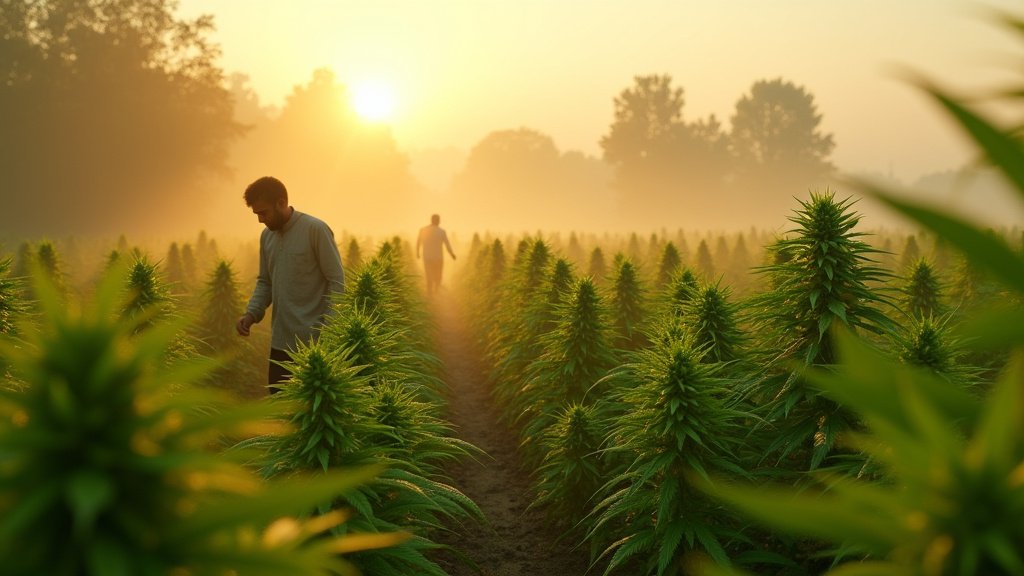
Cannabis has a long history in Pakistan. The Hindu Kush region is rich in traditional strains. For generations, specialized strains were a recreational staple in northern Pakistan. However, the law previously prohibited cultivation. The Control of Narcotic Substances Act mandated imprisonment for illegal cultivation. The government permitted cultivation only for specific purposes with a license. This new initiative signals a major policy change. A regulatory framework is being developed. It includes a low THC ceiling for licensed crops. This encourages compliance among local growers. The Cannabis Control and Regulatory Authority (CCRA) was created in 2024. This body oversees cultivation, processing, and sales.
Economic Aspirations and Global Trends
Pakistan aims to tap into the lucrative global cannabis market. This market is projected to reach billions. Industrial hemp is a key focus. Its applications span textiles, paper, and construction. Global demand for sustainable materials is driving this trend. The hemp market could generate up to $7 billion annually from exports. Previous estimates suggested a thriving hemp industry could be worth multiple billions yearly. Industry experts believe hemp could generate $1 billion in annual revenue. The global industrial hemp market was valued at billions in 2023 and 2024. It is expected to grow significantly in the coming years.
Provincial Reforms and Licensing
Khyber Pakhtunkhwa (KP) is leading these reforms. The provincial government is considering legalizing cultivation for medicinal purposes. A licensing framework is under review. This includes license fees and regulatory conditions. A working group is finalizing requirements. The proposed license fee for cultivation on five acres for medicinal use was Rs600,000. However, recent updates show further fee reductions. The KP Cannabis Regulatory Authority approved lowering cultivation fees to Rs500,000. Processing fees also saw reductions. They also decided to abolish excise duty on industrial hemp and hemp seed oil. This aims to boost economic opportunities for farmers. Large pharmaceutical companies may receive priority for licenses.
Challenges and Future Outlook
Despite these steps, regulatory hurdles remain. The national licensing system is still absent in many areas. The CCRA’s operational start has faced delays. This has stalled commercial activity and investor confidence. The government aims to encourage illicit farmers to join the legal system. However, this transition may take time. Strict monitoring and oversight are planned. Licensed industries must manage seed registration and certification. Penalties for violations can be severe. These include substantial fines and potential imprisonment.
The government is allocating significant public funding. This includes over Rs1.95 billion for medical cannabis and hemp production. This funding supports advanced greenhouses and a national lab. It also helps form a central authority. This initiative aims to lay the foundation for a regulated, science-driven industry. The future looks promising. However, execution is key. Pakistan’s cannabis journey is trending towards a more formal, potentially lucrative future. The success of this news hinges on overcoming bureaucratic obstacles. It will be interesting to watch this experiment unfold.
The goal is to transform Pakistan’s economy. Hemp offers a sustainable alternative to cotton. This could boost foreign exchange reserves. The news signals a shift from an underground economy to a regulated industry. The potential for economic growth is substantial. It aligns with global trends in sustainable agriculture and product development.