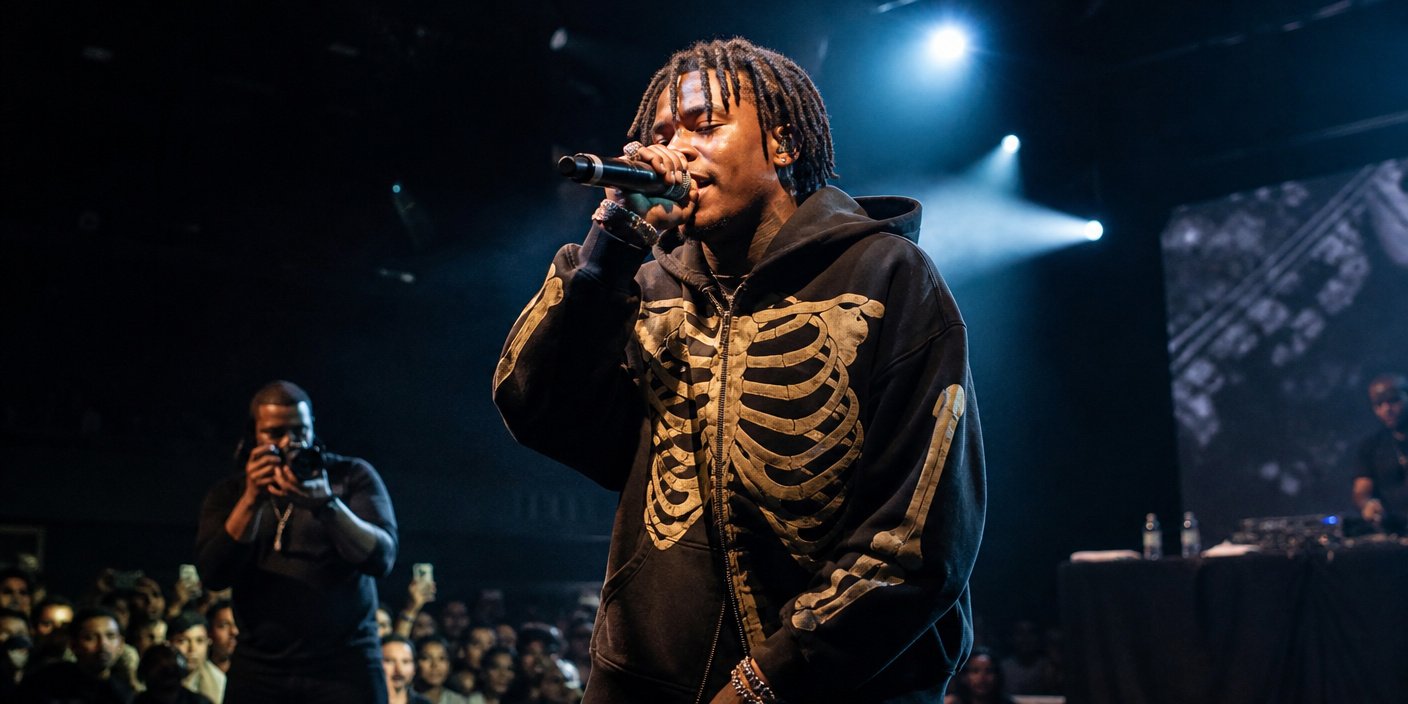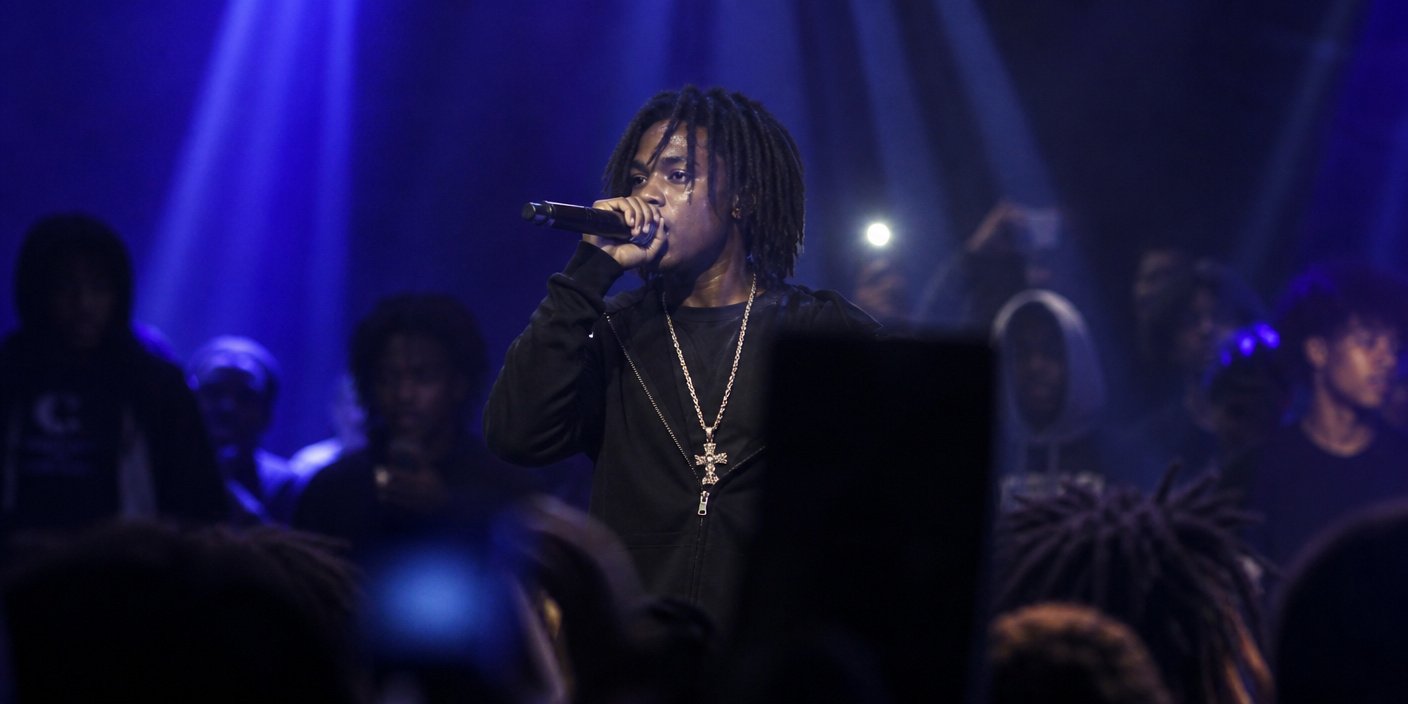
Hip-hop and cannabis share a deep history. Their connection spans decades. This bond shapes music, fashion, and business. It started as rebellion. Now, it fuels major industries. We explore this evolving relationship.
Roots of Rebellion and Creativity
Early hip-hop emerged from marginalized communities. Cannabis became a symbol for them. It represented counterculture and freedom. Artists used weed as a muse. It sparked creativity and new ideas. Early lyrics hinted at its use. References were often coded. They spoke of “cheeba” or “the good herb.” This was a secret language. It connected those in the know.
Lyrical and Cultural Impact
Cannabis references became more overt over time. Artists like Cypress Hill celebrated it. Dr. Dre’s album “The Chronic” was pivotal. Snoop Dogg’s “Doggystyle” followed. These works made cannabis mainstream. Weed symbolized relaxation and authenticity. It also signified defiance. Music videos showed artists smoking. Fashion incorporated cannabis imagery. This solidified its cultural presence. It became part of the hip-hop lifestyle.
The Budding Business of Blending
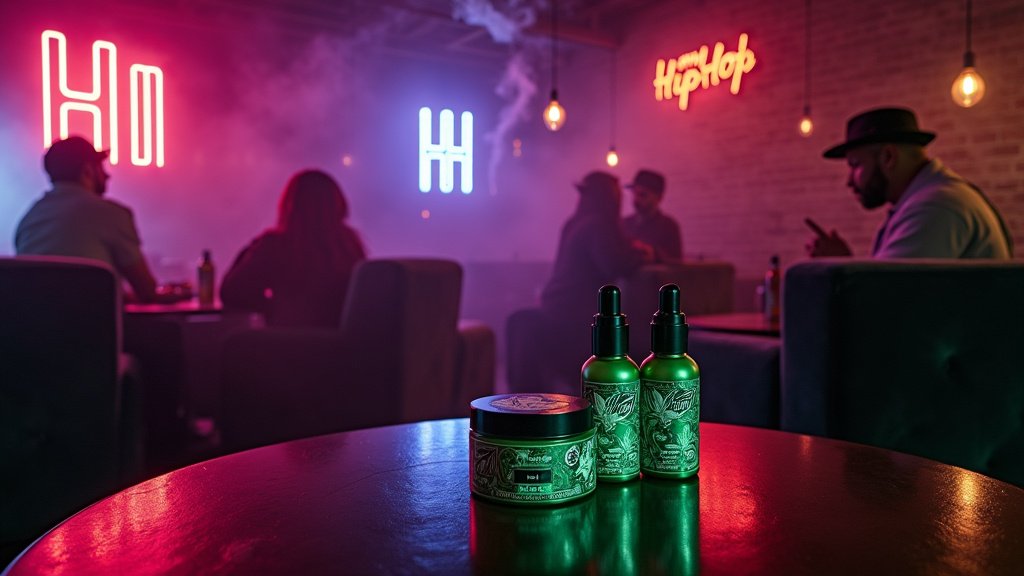
Legalization changed everything. Cannabis transformed from rebellion to business. Many artists became entrepreneurs. They launched their own cannabis brands. Snoop Dogg has “Leafs by Snoop.” Jay-Z created “Monogram.” Wiz Khalifa founded “Khalifa Kush.” Berner’s “Cookies” is a major brand. These ventures extend artist empires. They tap into a booming market. Hip-hop’s influence drives sales. It makes cannabis brands highly visible. This partnership is financially significant.
Advocacy and Social Justice
Hip-hop artists use their platforms for advocacy. They highlight drug war injustices. These laws disproportionately affected communities of color. Artists call for reform. They push for expungement of records. Many cannabis brands address social equity. They aim to diversify the industry. This fight for justice is ongoing. It remains linked to cannabis culture.
The Evolving Relationship
Cannabis is now normalized in hip-hop. It is less about shock value. It is more about lifestyle. Younger artists may see it as routine. However, it still symbolizes creativity. It represents resistance and self-definition. Collaborations between artists and brands continue. This trend shows no signs of slowing. Hip-hop remains a powerful voice for cannabis. It influences evolving perceptions.
Conclusion
The journey of cannabis in hip-hop is remarkable. It evolved from underground symbol to global business. It reflects cultural shifts. It fuels creativity and entrepreneurship. Hip-hop has consistently amplified cannabis culture. This powerful connection continues to trend. It shapes music, news, and related industries. The influence is undeniable and ongoing.