The cannabis industry is rapidly evolving. 2026 marks a pivotal year for major changes. Key trends are shaping its future. This year brings new opportunities and challenges. Businesses must adapt to stay competitive.
Federal Reform and Policy Shifts
The most significant news involves federal rescheduling. Marijuana is moving from Schedule I to Schedule III. This is a major policy shift. It follows a presidential executive order. The DEA is processing the rescheduling. This process is ongoing. However, the direction is clear. Rescheduling may ease federal barriers. These include access to capital and banking. It could also impact tax laws. Specifically, Section 280E penalties might be reduced.
Additionally, federal hemp regulations are tightening. New definitions will impact intoxicating hemp products. A container-level THC cap is set for 2026. This makes many current products unlawful as hemp. These changes affect revenue assumptions and inventory valuations. States continue their own reform efforts too. Mississippi, Hawaii, and Nebraska are advancing legislation.
Evolving Consumer Behavior
Consumer preferences are shifting dramatically. The cannabis consumer is now older. They are more wellness-focused. They are also more digitally savvy. Relaxation is now the main reason for use. It surpasses intoxication. Consumers seek products for sleep, stress, and pain relief. This wellness trend influences product development. It also shapes marketing messages. Brands must align with these values.
Convenience remains a key driver. Products like infused beverages and pre-rolls are popular. They offer easy consumption. Beverages, in particular, show rapid growth. They mimic existing social rituals.
Product Innovation and Demand
Product innovation continues at a fast pace. Demand for high-dose edibles is strong. Fast-acting products also see increased interest. Nano-emulsification technology enhances absorption. This leads to quicker effects. Functional edibles are trending. These are designed for specific wellness goals. Examples include products for sleep or focus.
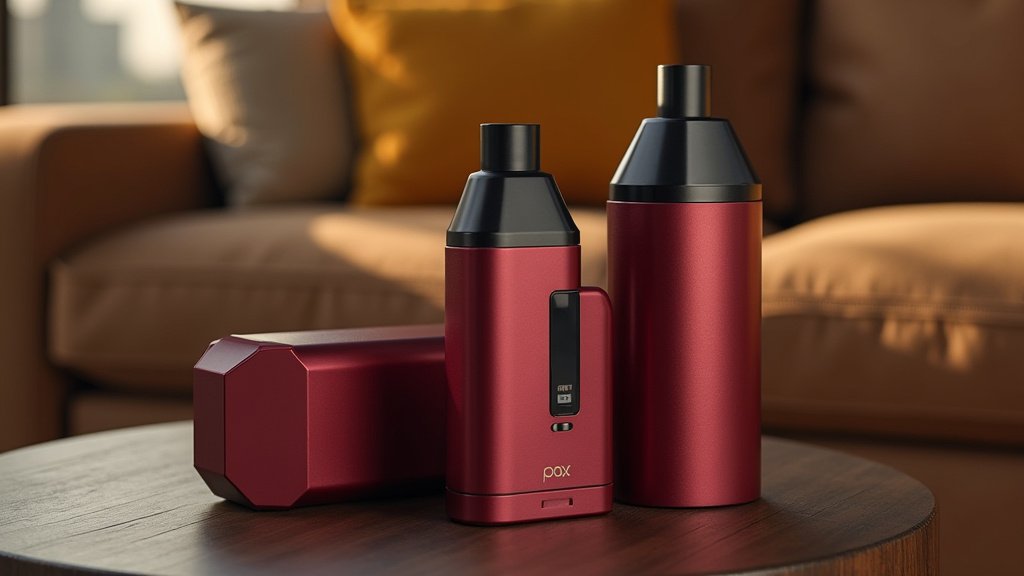
Precision dosing is now standard. Consumers expect consistent THC and CBD content. This applies to every gummy or chocolate. Predictable experiences build consumer trust. Vape hardware also sees improvements. Manufacturers focus on flavor and user experience.
Technology Drives Retail and Operations
Technology plays a crucial role. AI powers hyper-personalized marketing. Dispensaries invest in advanced retail tools. Online ordering with real-time inventory is essential. Personalized product recommendations enhance the customer journey. POS and CRM tools aid targeted marketing efforts.
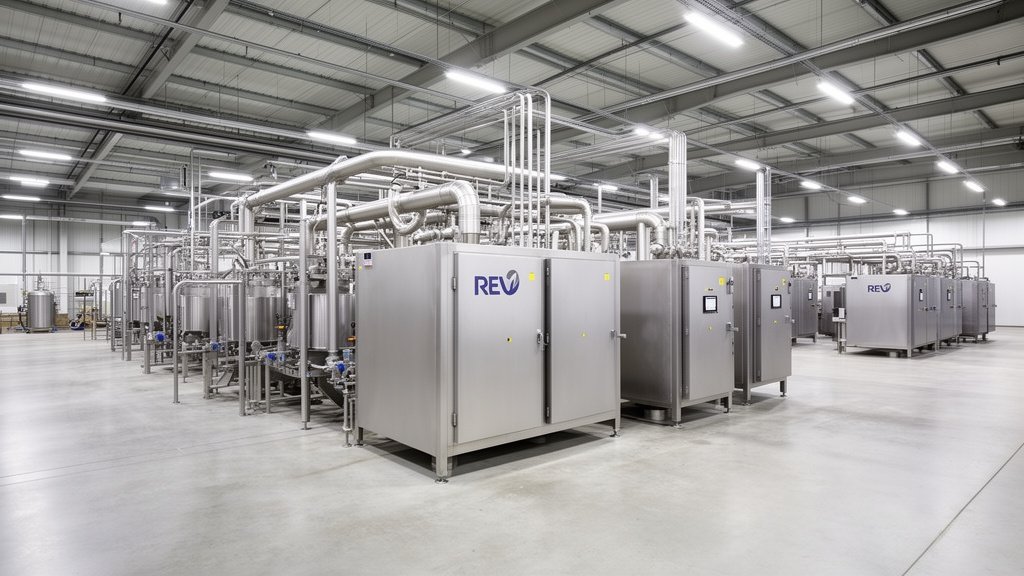
Automation is a big push in manufacturing. This reduces labor intensity. Cultivators focus on post-harvest technology. Drying, curing, and storage equipment are key. This protects product quality and maximizes returns. Companies are retrofitting facilities with modern solutions.
Brand Building and Transparency
Stronger brand identity is critical. Storytelling helps differentiate brands. Consumers want authenticity. They connect with founder-led brands. Transparency is also paramount. This includes clear sourcing and testing information.
Sustainability is a core brand value. Consumers, especially younger ones, value ethical purchasing. An omnichannel presence creates a seamless brand experience. Marketing must be compliant and educational. Education helps build trust and recall.
Compliance and Operational Focus
Regulatory oversight continues to tighten. Accurate potency labeling is crucial. Transparent testing and sourcing are vital. Businesses must treat HR and compliance as infrastructure. Reactive strategies are no longer viable.
Security and access control are under scrutiny. Regulators view lapses as risk events. Ensuring employee licenses are current is important. Background checks must be refreshed annually. Businesses need reliable tools for compliance and management.
The US cannabis industry is trending toward $47 billion in revenue for 2026. Navigating these trends requires strategic planning. Businesses that embrace innovation and compliance will thrive. Staying informed on cannabis news is essential for success.