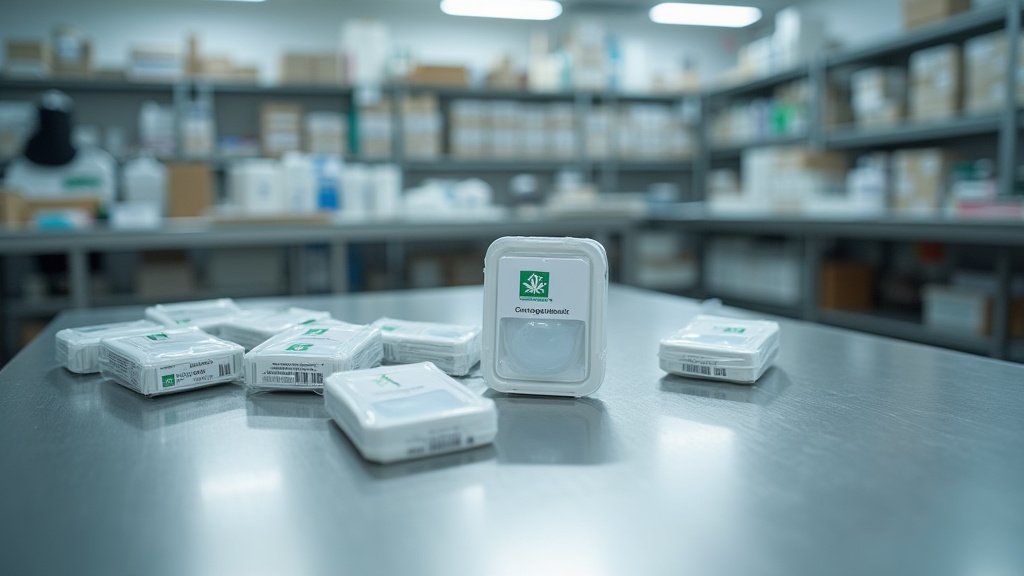
The legal landscape for CBD gummies and other hemp-derived products in Tennessee is undergoing a significant transformation, with new regulations set to take full effect in 2026. While non-intoxicating CBD products have generally remained legal, the state is shifting regulatory authority and imposing stricter controls on cannabinoid products.
Regulatory Shift and Product Restrictions
Tennessee’s House Bill 1376 and Senate Bill 1413 mark a substantial overhaul of the state’s hemp industry. Effective January 1, 2026, the regulatory oversight for hemp-derived cannabinoid (HDC) products will transfer from the Tennessee Department of Agriculture to the Tennessee Alcoholic Beverage Commission (TABC). This move aligns the regulation of these products more closely with that of alcohol, signaling a more stringent approach to the market.
A key component of these new regulations is the ban on products containing THCa and synthetic cannabinoids, such as Delta-8 THC and Delta-10 THC. This prohibition extends to any product that would yield more than 0.3% total THC after decarboxylation, effectively removing many popular hemp-derived items from the market. This is a significant departure from previous regulations, which some observers felt allowed for “unregulated recreational marijuana”.
Sales and Retail Limitations
The new laws also impose considerable restrictions on how and where these products can be sold. Online sales and direct delivery of hemp-derived cannabinoid products within Tennessee will be prohibited. All transactions must be conducted in person, face-to-face, at licensed retail locations.
Furthermore, these products will only be available for purchase in establishments that are restricted to individuals aged 21 and older. This includes licensed liquor stores, vape/hemp shops, and on-premises liquor-by-the-drink locations like bars and restaurants. Grocery stores, convenience stores, and drug stores will no longer be permitted to sell these items.
Licensing, Taxation, and Consumer Safety
A new three-tier licensing system will be implemented for suppliers, wholesalers, and retailers, introducing increased fees and taxes. The taxation structure will shift to a wholesale level, with rates based on cannabinoid content, such as two cents per milligram of THC. This aims to create a more controlled and traceable supply chain.
The overarching goal of these reforms is to enhance consumer safety. By implementing stricter regulations, including product testing, age verification, and traceability through lab reports and QR codes, Tennessee seeks to address concerns about inconsistent potency, questionable purity, accidental ingestion, and contaminated batches. The state is moving away from a “gray market” towards a more structured and regulated industry, mirroring approaches seen in other states.
Existing licenses issued by the Department of Agriculture will remain valid until June 30, 2026, but all new licensing and renewals will be managed by the TABC moving forward. These comprehensive changes are set to reshape Tennessee’s hemp industry, impacting both businesses and consumers significantly from January 1, 2026.