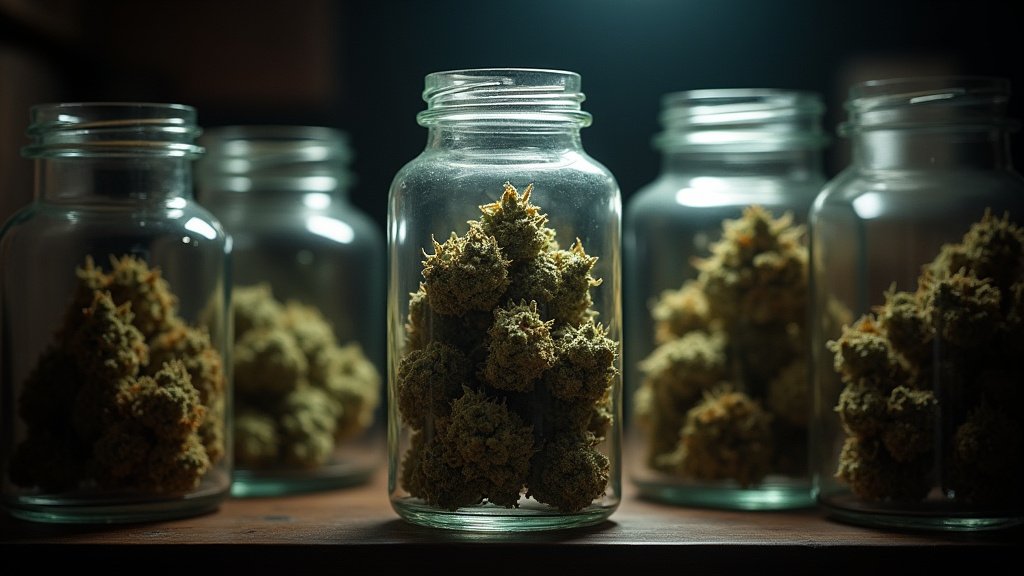
A new wave of premium cannabis products is hitting the market, and Dr. Ganja’s THCA flower collection is leading the charge. With a focus on quality, potency, and unique genetic profiles, these strains are quickly becoming a favorite among connoisseurs.
Key Highlights:
- Dr. Ganja’s THCA collection offers a diverse range of strains, catering to various preferences.
- Emphasis is placed on high THCA content, ensuring a potent and effective experience.
- The strains are sourced for their unique terpene profiles, contributing to distinct aromas and flavors.
- User reviews highlight the quality and consistency of the offerings.
Unveiling the Dr. Ganja THCA Collection
This curated selection from Dr. Ganja represents a significant advancement in the accessibility of high-quality THCA flower. The collection boasts an impressive array of strains, each meticulously selected for its cannabinoid profile and aromatic qualities. THCA (tetrahydrocannabinolic acid) is the precursor to THC, and when heated, it converts to Delta-9 THC, the well-known psychoactive compound. However, in its raw form, THCA offers a different spectrum of potential benefits without the immediate psychoactive effects.
The Science of Strains
The Dr. Ganja collection distinguishes itself through its commitment to scientific rigor and transparency. Each strain is likely to be lab-tested to verify its THCA potency, ensuring consumers receive accurate information about what they are purchasing. Beyond just potency, the focus on terpene profiles is crucial for the entourage effect, where the various compounds in cannabis work together to create a more nuanced and complete experience. Terpenes are responsible for the distinct smells and flavors associated with different cannabis strains, ranging from citrusy and piney to earthy and sweet. Understanding these profiles allows consumers to select strains that align with their desired effects and sensory preferences.
Curated Selection for Connoisseurs
Dr. Ganja’s approach appears to be one of careful curation rather than mass production. This suggests a dedication to sourcing from reputable growers who prioritize quality control and sustainable cultivation practices. The emphasis on