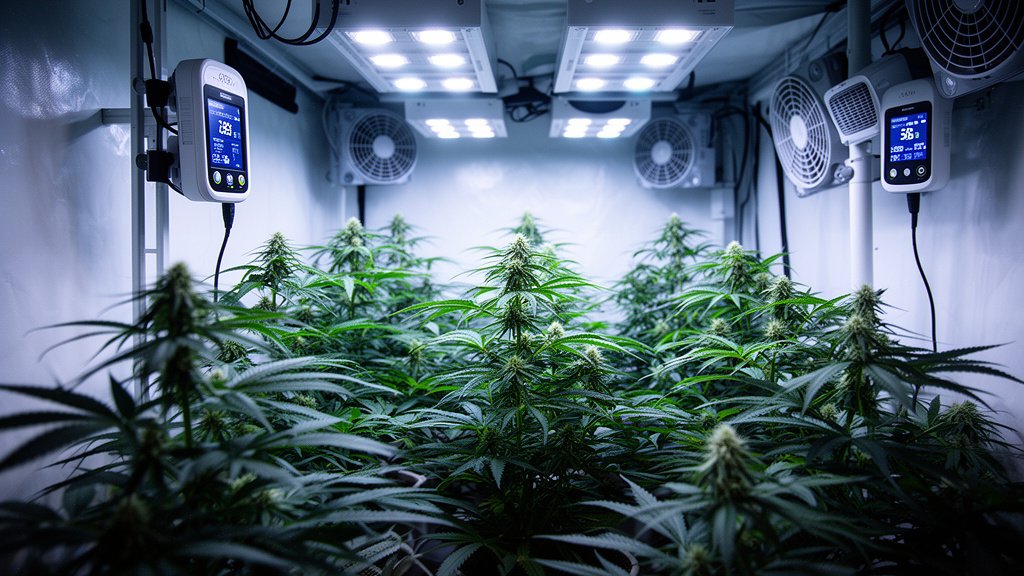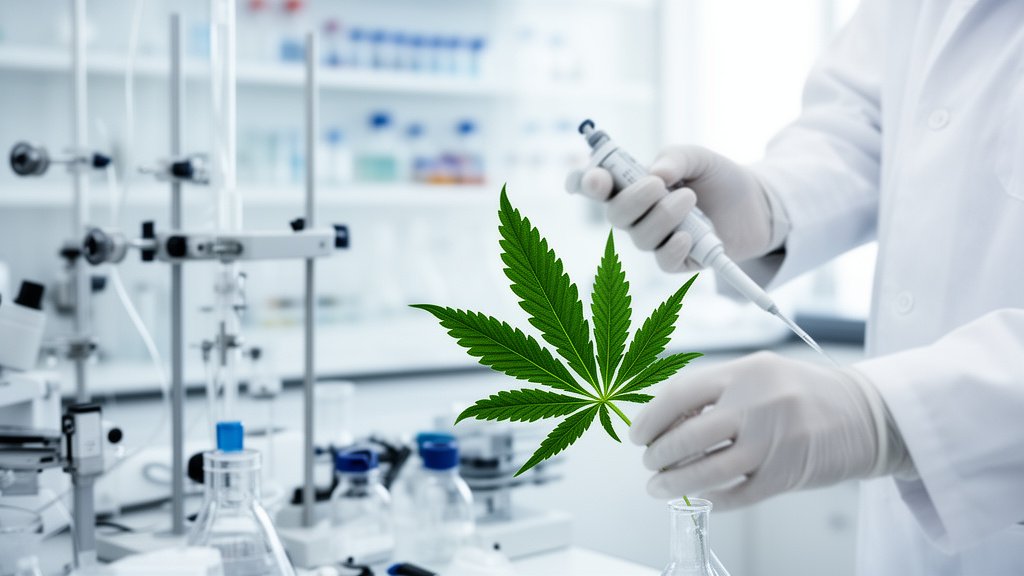
As the global medicinal cannabis industry matures, stakeholders are increasingly recognizing that standard agricultural practices are insufficient to guarantee patient safety. To elevate product quality, leading producers are adopting a dual-framework approach, integrating Good Manufacturing Practice (GMP) with Good Medicinal Cannabis Cultivation Practice (GMCCP). This shift marks a critical transition from general botanical cultivation to highly controlled, pharmaceutical-grade production, ensuring consistency, purity, and clinical reliability.
The Necessity of Higher Standards
Historically, the cannabis sector relied heavily on Good Agricultural and Collection Practices (GACP). While these guidelines provided a baseline for harvesting medicinal plants, they often fell short when applied to cannabis products destined for clinical use, particularly when inhalation is the primary mode of administration. The inherent complexity of the cannabis plant—and its susceptibility to environmental contaminants, pesticides, and microbial growth—demands a more stringent approach. GMCCP was developed to bridge this gap, offering a specialized cultivation framework that prioritizes environmental control and rigorous documentation in a way that GACP cannot.
Integrating GMP for Pharmaceutical Consistency
While GMCCP governs the cultivation zone, the integration of GMP is essential for the post-harvest phase. GMP (Good Manufacturing Practice) represents the gold standard for pharmaceutical production. By applying these strict regulations to drying, processing, and packaging, companies ensure that every batch of cannabis remains genetically identical and analytically consistent. This standardization is vital for clinical trials and medical treatments, where precise dosing of cannabinoids such as THC and CBD is a non-negotiable requirement for therapeutic efficacy. The synergy between GMCCP and GMP effectively creates an end-to-end quality system that satisfies even the most rigorous global regulatory bodies.
Challenges in Implementation
Transitioning to these high-level standards presents significant operational hurdles. Implementing GMP requires cleanroom environments and validated, documented procedures that are often incompatible with traditional outdoor or greenhouse growing methods. Cultivators must invest heavily in high-tech facilities, robust testing infrastructure, and extensive staff training to maintain compliance. Despite these costs, the shift is increasingly seen as a requirement for market viability, particularly for companies seeking to export medicinal products to European Union markets or other regions with strict pharmaceutical requirements.
The Future of Regulatory Compliance
Looking forward, the industry is moving toward a more unified GxP framework—an umbrella term covering various quality compliance practices. By adopting these international standards, the medicinal cannabis industry is fostering greater consumer trust and facilitating smoother international trade. As producers continue to refine their methodologies, the reliance on specialized practices like GMCCP will likely become the standard expectation for all pharmaceutical-grade cannabis, setting a new benchmark for safety and quality in the rapidly expanding global market.