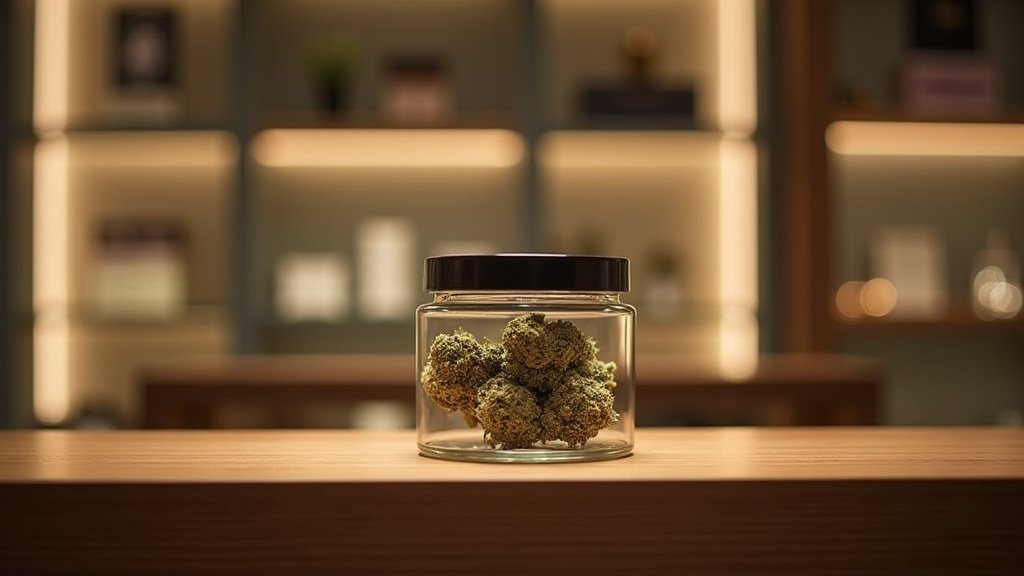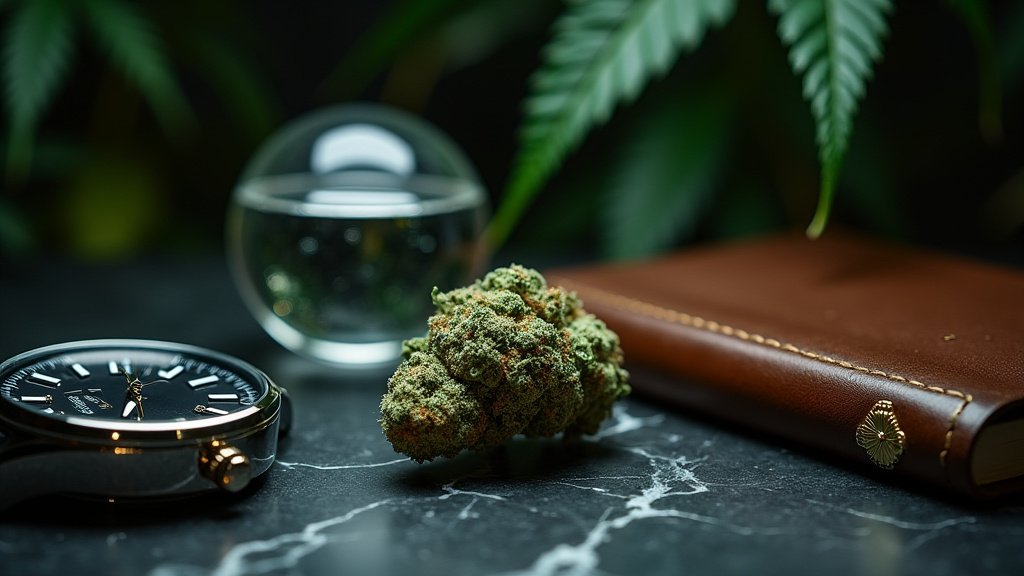
Cannabis is no longer defined by the illicit shadows of the past; it has emerged as a curated centerpiece of the modern urban lifestyle, mirroring the evolution of fine wine, artisanal coffee, and high-end fashion. The shift from ‘legacy’—the underground, counterculture, and often opaque trade of the 20th century—to ‘lifestyle’ is being driven by a new generation of urban growers and enthusiasts who value precision, provenance, and aesthetic expression. As legislation relaxes and technology empowers the home cultivator, cannabis seeds are being treated less like generic agricultural products and more like designer assets, with specific genetics such as Godfather OG becoming synonymous with performance, reliability, and cultural capital. This transition represents a maturation of the market, where the act of cultivation is increasingly viewed as a hobbyist art form, akin to music production or streetwear design, and the final product is celebrated as a manifestation of personal taste.
Key Highlights
- The Cultivation Renaissance: Home growing has moved from an act of necessity to a creative pursuit, with urban dwellers utilizing advanced technology to treat cannabis cultivation as a form of self-expression.
- Genetics as Status: Just as connoisseurs collect rare sneakers or vintage vinyl, enthusiasts are curating their garden ‘closets’ with premium, stable genetics that offer predictable, high-quality yields.
- Integration of Aesthetics: Cannabis equipment is evolving from industrial utility to high-design furniture, seamlessly blending into minimalist, modern urban interior design.
- Data-Driven Quality: The modern grower is leveraging AI and environmental controls to optimize terpene expression, prioritizing a sophisticated experience over simple THC potency.
The New Anatomy of Urban Cannabis Culture
The narrative of cannabis in the city has historically been one of subversion, but the current cultural moment is defined by transparency and sophistication. In major urban centers—from Berlin to New York—the legalization wave has stripped away the stigma of consumption and replaced it with a culture of cultivation. This is not merely about access; it is about authorship. When an individual cultivates their own supply, they gain complete autonomy over the product’s genetic lineage, the nutrient inputs, and the environmental conditions that influence the final terpene profile. This level of granular control is the hallmark of the new ‘lifestyle’ segment.
The Rise of the ‘Creator-Grower’
In the creative economy, people are accustomed to producing their own digital and physical content. From YouTube video essays to custom apparel, the modern urbanite is a builder. Applying this ethos to botany, the ‘creator-grower’ treats cannabis seeds as raw data. They analyze breeder reports, track flowering times, and optimize humidity levels with the same obsessive detail one might apply to tuning a vintage synth. Strains like Godfather OG have garnered respect not just for their potent indica-dominant effects, but for their structural stability. For the creator, a ‘stable’ plant is the equivalent of a reliable workflow; it allows the grower to focus on refining their skills rather than troubleshooting genetic failures.
Cannabis as Interior Design
One of the most visible changes is the aesthetic integration of cannabis into the home. Gone are the days of hiding grow tents in basements. Modern ‘stealth’ grow boxes, cabinet-integrated hydroponic units, and stylish, low-profile LED systems have turned the grow room into an extension of the living space. These systems are designed with the urban apartment in mind—modular, quiet, and architecturally minimalist. This design shift reflects a broader societal change: cannabis paraphernalia and cultivation hardware are now luxury goods that signal an appreciation for design, sustainability, and quality of life.
Economic Impact and The Genetic Market
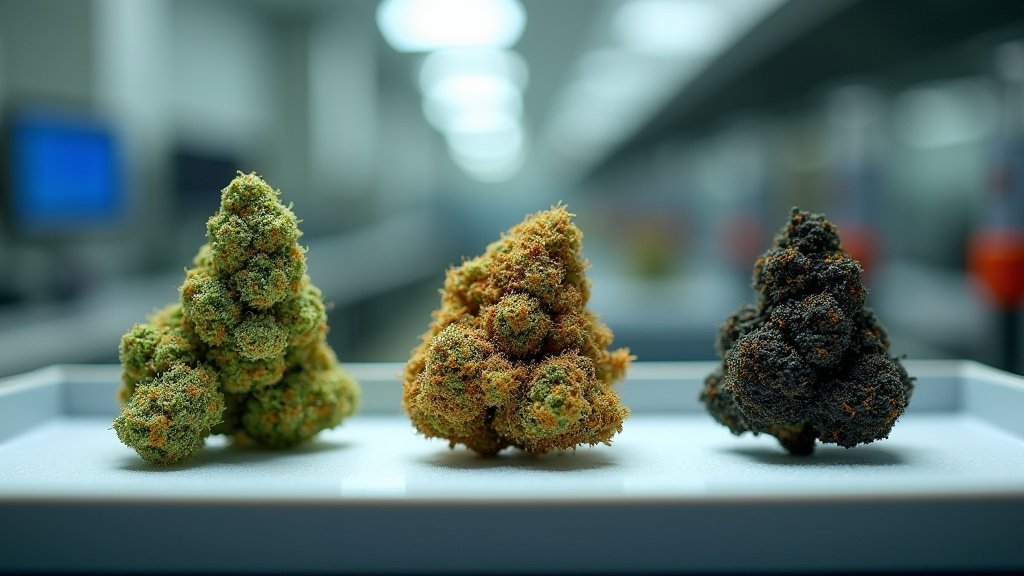
As the demand for premium seeds increases, the market has responded with unprecedented genetic diversity. We are seeing a ‘Haze’ renaissance alongside the dominance of compact, tent-friendly hybrids that can thrive in small spaces. This is driving a booming cottage industry of seed banks and breeding collectives that function more like tech startups than traditional agricultural outfits. These companies are utilizing phenotype mapping and genetic stability testing to ensure that what the consumer buys is what they get. In an urban culture that prizes authenticity and rejects mass-produced mediocrity, this transparency is the new currency. The economic power lies in the stability and specificity of the genetics, forcing a ‘quality over quantity’ mindset that mirrors the craft beer and farm-to-table food movements.
FAQ: People Also Ask
Q: Why are modern cannabis seeds gaining more respect than legacy seeds?
A: Modern seeds, often called ‘stabilized genetics,’ undergo years of rigorous back-crossing and testing. This ensures higher germination rates, predictable growth patterns (crucial for limited urban spaces), and consistent terpene profiles, whereas ‘legacy’ or landrace seeds could be unpredictable.
Q: Is urban home growing sustainable for the environment?
A: Yes, particularly with the adoption of modern, high-efficiency LED lighting and hydroponic systems. These setups use significantly less water and electricity than commercial, large-scale facilities, making them a preferred choice for the eco-conscious urbanite.
Q: What is the significance of the ‘lifestyle’ shift in cannabis?
A: The shift signifies that cannabis is being integrated into daily life as a recreational and wellness activity rather than a counter-cultural act. It aligns with other ‘connoisseur’ markets, where the user is knowledgeable about the origins, development, and specific effects of the products they use.
Q: Can beginners really successfully grow their own cannabis in an apartment?
A: Yes. The availability of ‘autoflowering’ seeds—which flower based on age rather than light cycles—coupled with ‘plug-and-play’ automated grow systems, has removed the steep learning curve traditionally associated with cannabis horticulture.