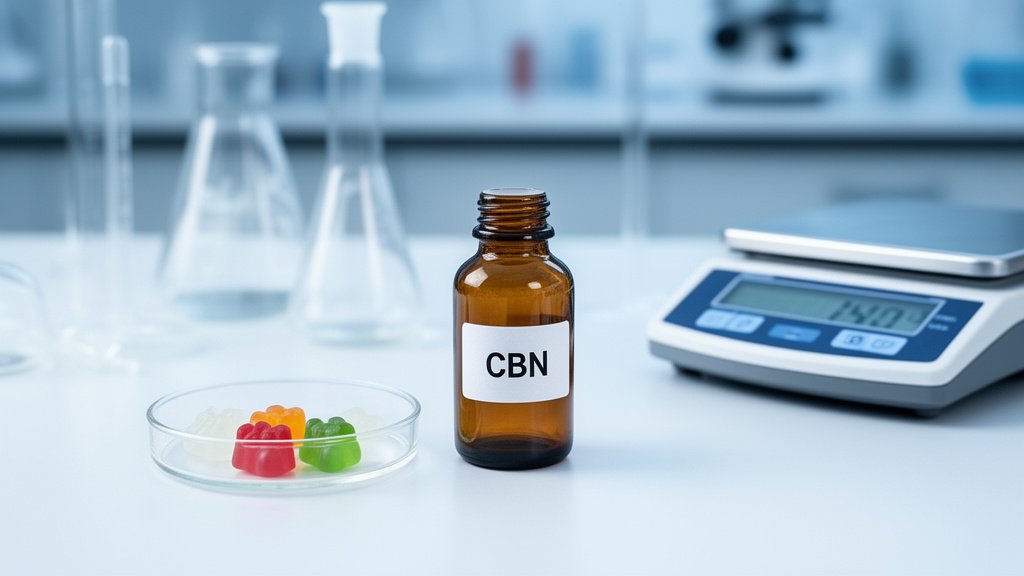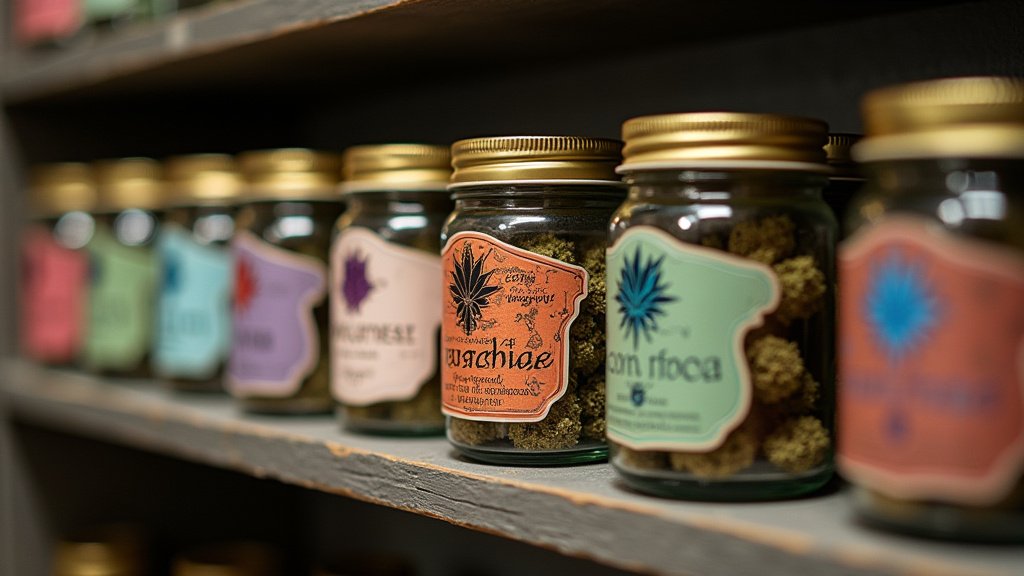
The White House has officially sounded the alarm on the increasing prevalence and aggressive marketing of high-potency marijuana products, incorporating these concerns into its latest National Drug Control Strategy. The strategy highlights the need for greater awareness and action regarding products that contain significantly higher concentrations of THC than previously common, and the sophisticated marketing tactics employed to reach consumers, particularly younger demographics.
Key Highlights:
- The new National Drug Control Strategy explicitly addresses the risks associated with high-potency marijuana products.
- Concerns are raised about the marketing strategies used to promote these potent products.
- The administration seeks to increase public awareness and develop countermeasures.
- Focus is placed on protecting youth from exposure and potential harms.
The Rising Tide of High-Potency Cannabis and Strategic Concerns
The latest National Drug Control Strategy released by the White House marks a significant development in the federal government’s approach to drug policy, with a specific and pointed focus on the evolving landscape of marijuana. For the first time, the strategy directly confronts the alarming rise of “high-potency” marijuana products and the sophisticated, often aggressive, marketing techniques used to promote them. This inclusion signals a shift from a more general approach to drug control to a more nuanced understanding of the specific challenges posed by the modern cannabis market, especially in states that have legalized recreational use.
Understanding High-Potency Marijuana
The term “high-potency” refers to marijuana products with THC (tetrahydrocannabinol) concentrations that far exceed those found in traditional cannabis flower. In recent years, the market has seen an explosion of concentrates, edibles, and vapes containing THC levels that can reach 80-90% or even higher. This is a stark contrast to the 10-20% THC levels typically found in cannabis flower a couple of decades ago. This surge in potency is largely driven by advancements in extraction technology and consumer demand for more intense effects. However, this increased potency is not without significant concern for public health officials and policymakers. Studies have linked higher THC concentrations to an increased risk of adverse psychological effects, such as anxiety, paranoia, and, in some susceptible individuals, the onset of psychosis. The long-term implications of regular use of such potent products are still being researched, adding another layer of complexity to the regulatory debate.
The Influence of Marketing
Beyond the potency of the products themselves, the White House strategy also zeroes in on the marketing practices within the cannabis industry. The report highlights that many of these marketing strategies closely mirror those historically used by the tobacco and alcohol industries, including appealing to youth, using celebrity endorsements, and employing social media influencers. “We are seeing marketing that is incredibly sophisticated and often targets young people,” a senior administration official stated, emphasizing the need to prevent a new generation from becoming addicted to potent cannabis products. Concerns include the packaging of products, which can resemble candy or snacks, making them appealing and accessible to minors. Furthermore, the digital age has enabled pervasive online advertising and social media campaigns that are difficult to regulate, especially across state lines where legalization varies. The strategy calls for enhanced collaboration between federal agencies, state governments, and the industry itself to establish clearer marketing guidelines and enforce existing regulations more effectively.
Federal and State Regulatory Landscape
The federal government’s stance on marijuana remains complex due to its classification as a Schedule I controlled substance under the Controlled Substances Act. However, with a growing number of states legalizing cannabis for medical and recreational use, a patchwork of regulations has emerged. The White House strategy aims to provide a more cohesive federal direction by emphasizing the need for evidence-based policies that prioritize public health and safety. This includes supporting research into the effects of high-potency cannabis and developing effective prevention and treatment programs. The strategy also calls for greater scrutiny of the Food and Drug Administration (FDA) and the Federal Trade Commission’s (FTC) roles in regulating cannabis products, particularly those making health claims or employing deceptive marketing practices. The collaboration between federal and state authorities is deemed crucial to navigating these legal and regulatory complexities.
Protecting Youth and Public Health
A central tenet of the White House’s concern is the potential impact of high-potency marijuana and its marketing on young people. Adolescence is a critical period for brain development, and exposure to high levels of THC during these formative years has been associated with cognitive impairments and an increased risk of developing mental health disorders later in life. The strategy outlines initiatives aimed at increasing public awareness campaigns about the risks of high-potency cannabis, similar to those seen for tobacco and alcohol. It also emphasizes the importance of school-based prevention programs and accessible treatment resources for substance use disorders. By addressing both the product characteristics and the promotional strategies, the administration seeks to create a more protective environment for vulnerable populations and foster a healthier society overall.
FAQ: People Also Ask
What is considered high-potency marijuana?
High-potency marijuana typically refers to products with THC concentrations significantly higher than traditional cannabis flower. While flower might have 10-20% THC, concentrates, edibles, and vapes can contain THC levels ranging from 50% to over 90%. This increased potency is achieved through advanced extraction and manufacturing processes.
What are the risks associated with high-potency marijuana?
Research suggests that high-potency THC products are associated with an increased risk of adverse effects, including anxiety, paranoia, impaired coordination, and potential for developing or exacerbating mental health issues like psychosis, particularly in individuals with a predisposition. Long-term effects are still under investigation.
How is marijuana marketed aggressively?
Marketing tactics for high-potency marijuana often include appealing packaging that can resemble candy or snacks, social media influencer campaigns, online advertising, and sometimes celebrity endorsements. These methods are criticized for targeting younger demographics and blurring the lines between recreational products and health-conscious options.
What is the White House’s National Drug Control Strategy?
The National Drug Control Strategy is a comprehensive plan developed by the White House Office of National Drug Control Policy. It outlines the administration’s priorities, goals, and initiatives for drug policy, including prevention, treatment, harm reduction, and law enforcement efforts. The latest version specifically addresses the emerging challenges of high-potency cannabis and its marketing.
What is the federal legal status of marijuana?
Federally, marijuana remains a Schedule I controlled substance under the Controlled Substances Act, meaning it is considered to have a high potential for abuse and no currently accepted medical use. However, numerous states have legalized it for medical and/or recreational use, creating a complex and often contradictory legal landscape.