The cannabis and hemp industries are experiencing a technological renaissance, marked by groundbreaking innovations, new inventions, and a surge in patent filings. These advancements are not only improving efficiency and scalability but also enhancing product quality and safety across cultivation, processing, and final product development.
Key Highlights:
- Novel extraction techniques are increasing yields and purity of cannabinoids.
- Advanced cultivation systems are optimizing growth environments for higher potency and consistency.
- Automation and AI are streamlining post-harvest processing, reducing labor costs and errors.
- New product formulations are expanding the market for edibles, topicals, and ingestibles.
- Intellectual property is rapidly expanding, reflecting significant R&D investment.
The Patent Frontier: Securing the Future of Cannabis Processing
The landscape of cannabis and hemp processing is rapidly evolving, driven by a wave of innovation and a strategic pursuit of intellectual property. Companies are investing heavily in research and development, leading to a significant increase in patent applications that cover a wide array of technologies. These patents are crucial for protecting novel methods and devices, providing a competitive edge in an increasingly crowded market. The focus ranges from sophisticated extraction technologies that maximize the yield and purity of valuable compounds like THC and CBD, to advanced cultivation techniques that allow for precise control over environmental factors, thereby enhancing cannabinoid potency and consistency. Innovations in automation and artificial intelligence are also playing a pivotal role, streamlining complex post-harvest processes. These technologies aim to reduce manual labor, minimize errors, and increase the overall throughput of processing facilities, making large-scale operations more economically viable. Furthermore, the development of new product formulations, including advanced edibles, targeted topical applications, and novel ingestible formats, is broadening the appeal and utility of cannabis and hemp-derived products. This surge in patent activity underscores a mature industry eager to solidify its technological foundations and prepare for future market expansion.
Efficiency Gains Through Advanced Extraction
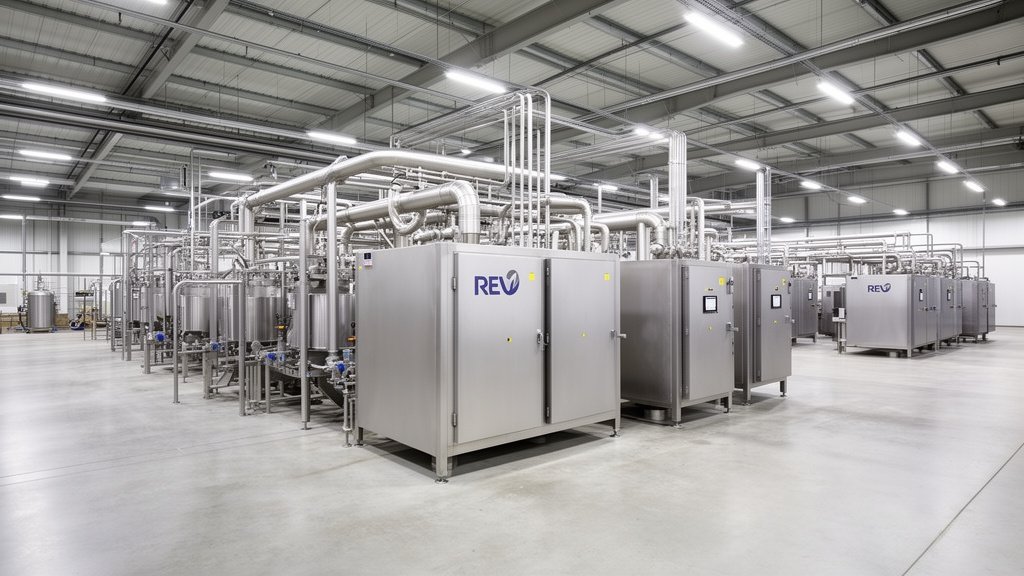
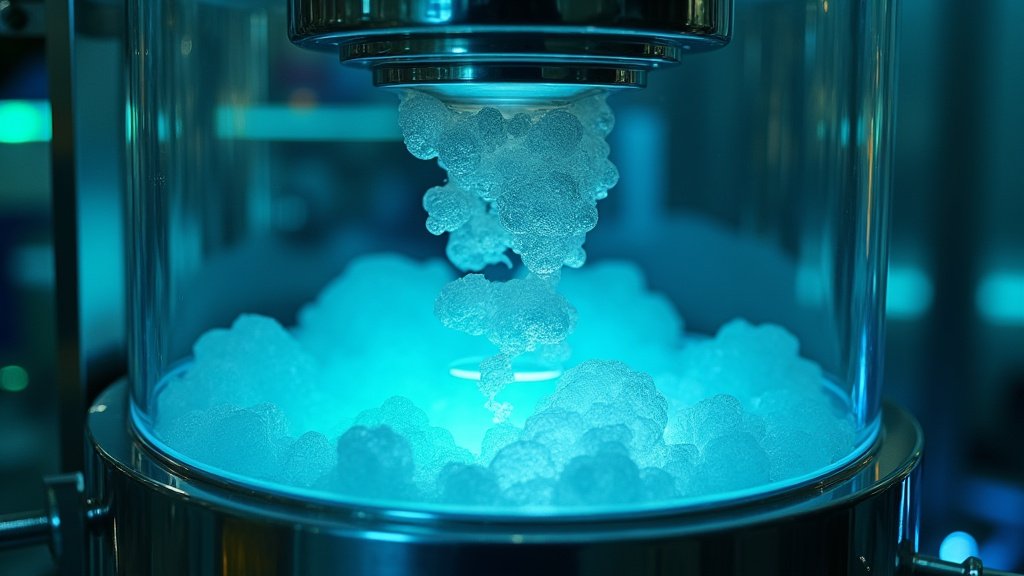
Extraction technologies represent a significant area of innovation. Traditional methods are being supplanted by more efficient and environmentally friendly techniques. Supercritical CO2 extraction, for instance, is becoming increasingly sophisticated, allowing for precise control over the extraction process to isolate specific cannabinoids and terpenes. Microwave-assisted extraction and ultrasonic extraction are also emerging as faster, more energy-efficient alternatives. These advancements not only improve the quality of the final product by minimizing degradation of sensitive compounds but also reduce processing times and operational costs. The ability to achieve higher purity levels is critical for both medical and recreational markets, where product consistency and safety are paramount. The refinement of these extraction methods is a key driver in the industry’s technological advancement.
Cultivation and Post-Harvest Automation
Beyond processing, innovations in cultivation are equally transformative. Vertical farming, hydroponics, and aeroponics, integrated with advanced sensor technology and AI-driven climate control, are enabling indoor cultivation facilities to achieve unprecedented levels of efficiency and output. These systems allow for year-round production, independent of external weather conditions, and can be optimized for specific strains to maximize cannabinoid profiles. Post-harvest, automation is tackling challenges in trimming, drying, curing, and packaging. Robotic trimmers are becoming more adept at handling delicate flower, preserving trichomes and terpene profiles. Automated drying and curing systems are being developed to maintain optimal humidity and temperature, preventing mold and preserving product quality. The integration of these automated solutions is essential for scaling operations to meet growing demand while maintaining high standards.
The Role of Material Science and Product Development
Material science is also contributing to the evolution of cannabis and hemp products. Innovations in terpene isolation and reintroduction allow for the recreation of specific cannabis flavor and aroma profiles, enhancing the sensory experience of consumers. New delivery systems for cannabinoids are being explored, moving beyond traditional smoking and edibles. This includes nanoemulsion technology for improved bioavailability in beverages and edibles, and transdermal patches for targeted, sustained release. The development of biodegradable packaging solutions and sustainable processing materials also reflects a growing commitment to environmental responsibility within the industry.
FAQ: People Also Ask
What are the primary technological advancements in cannabis processing?
Key advancements include novel extraction methods like supercritical CO2, microwave-assisted, and ultrasonic extraction, alongside improved automation for post-harvest activities such as trimming and packaging. Innovations in cultivation, such as AI-controlled vertical farms, also contribute significantly.
How are patents impacting the cannabis industry?
Patents are crucial for protecting new technologies and inventions in cannabis and hemp processing, providing companies with a competitive advantage and incentivizing further research and development. They help establish intellectual property rights in a rapidly growing and evolving market.
What is the significance of terpene research in cannabis products?
Terpene research allows for the isolation and reintroduction of natural cannabis aromas and flavors. This enhances the sensory experience for consumers and can also contribute to the ‘entourage effect,’ where different compounds in cannabis work together to produce a greater effect than any single compound alone.
How is automation improving cannabis cultivation and processing efficiency?
Automation streamlines labor-intensive tasks, reduces human error, and increases throughput in both cultivation (e.g., environmental control) and processing (e.g., trimming, packaging). This leads to higher yields, consistent quality, and reduced operational costs.
What are the future trends in cannabis and hemp product development?
Future trends include advanced delivery systems for better bioavailability (e.g., nanoemulsions), personalized medicine approaches, sustainable packaging, and the integration of AI and big data analytics to optimize every stage from seed to sale.