Virginia lawmakers and Governor Glenn Youngkin have reached a groundbreaking agreement to legalize recreational marijuana sales, marking a significant shift in the state’s drug policy. The deal, struck after months of intense negotiations, aims to establish a regulated market for cannabis products, potentially generating substantial tax revenue for the Commonwealth.
Key Highlights:
- Legalization of recreational marijuana sales in Virginia.
- Agreement reached between lawmakers and Governor Youngkin.
- Focus on establishing a regulated market for cannabis products.
- Potential for significant tax revenue generation.
- Implementation details and timeline to be announced.
Virginia’s Path to Legal Cannabis Sales
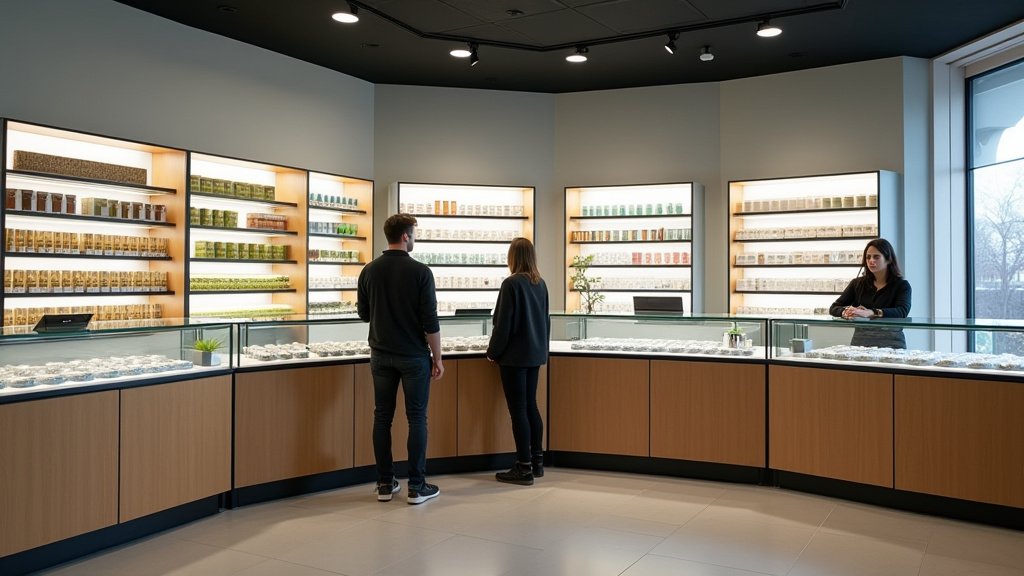
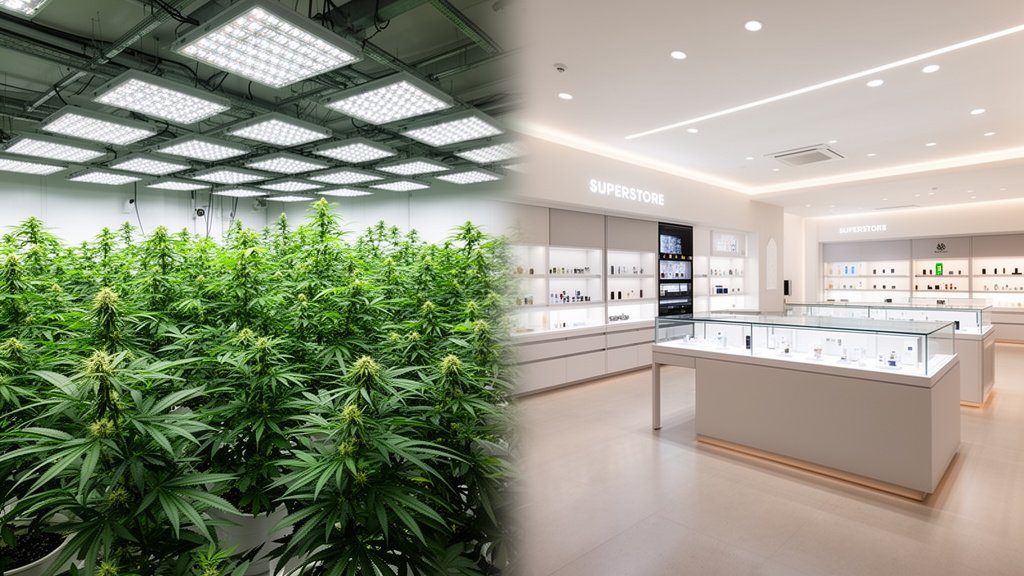
The agreement between the legislative and executive branches signifies a pivotal moment for Virginia, bringing the state closer to a fully operational legal marijuana market. This development follows years of debate and previous legislative attempts that had stalled. The core of the compromise centers on creating a framework that addresses public safety, social equity, and economic benefits. The proposed system is expected to involve licensing for dispensaries, cultivation facilities, and other related businesses, ensuring that products are tested and regulated for consumer safety. Details regarding the specifics of taxation, licensing fees, and the allocation of revenue are anticipated to be ironed out in the coming legislative sessions.
Economic Implications and Revenue Projections
Proponents of legalization highlight the significant economic opportunities. A regulated market is projected to create jobs across various sectors, from cultivation and processing to retail and security. Furthermore, the taxation of marijuana sales could provide a new and substantial stream of revenue for the state. Early estimates suggest that Virginia could generate tens of millions of dollars annually, which could be allocated to public services such as education, infrastructure, and substance abuse prevention programs. The economic impact is also expected to extend to ancillary industries, such as marketing, legal services, and technology.
Social Equity and Justice Reform
A crucial aspect of the legalization framework is the commitment to social equity. Virginia aims to address the historical disparities in drug law enforcement, particularly its disproportionate impact on minority communities. The plan is expected to include provisions for expunging past marijuana-related offenses and creating pathways for individuals from affected communities to participate in the legal cannabis industry. This could involve preferential licensing, access to capital, and business development support, ensuring that the benefits of legalization are shared broadly and equitably.
Regulatory Framework and Public Safety
The deal emphasizes the establishment of a robust regulatory framework. This will involve setting strict guidelines for product quality, potency, and labeling. Regulations will also cover marketing and advertising to prevent the appeal of cannabis products to minors. Public health initiatives aimed at education and prevention of problematic use are also expected to be a key component. Law enforcement will play a role in enforcing regulations and preventing illicit markets from thriving alongside the legal one.
FAQ: People Also Ask
What is the current legal status of recreational marijuana in Virginia?
Virginia previously decriminalized marijuana possession and legalized home cultivation and possession for personal use in 2021. However, the sale of recreational marijuana has not yet been established through a regulated market. This new deal aims to create that regulated sales framework.
When can Virginians expect to purchase recreational marijuana legally?
While an agreement has been reached, the exact timeline for the commencement of legal sales is still to be determined. The process will involve further legislative action, the development of regulatory bodies, and the issuance of licenses, which can take several months to a year or more.
How will tax revenue from marijuana sales be used?
Details are still being finalized, but typically, tax revenues from legalized marijuana are allocated to state and local governments. Funds are often earmarked for public services such as education, infrastructure projects, public health initiatives, and substance abuse treatment programs.
What are the concerns regarding the legalization of recreational marijuana sales?
Concerns often include potential increases in impaired driving, public health impacts, youth access, and the development of a robust regulatory system to prevent a black market. Policymakers are working to address these issues through strict regulations, public education campaigns, and ongoing monitoring.
Will existing medical marijuana dispensaries be able to sell recreational products?
This will depend on the specific regulations established in the new framework. In many jurisdictions, existing medical dispensaries are given priority or a pathway to obtain licenses for recreational sales, often under specific conditions and after meeting new requirements.