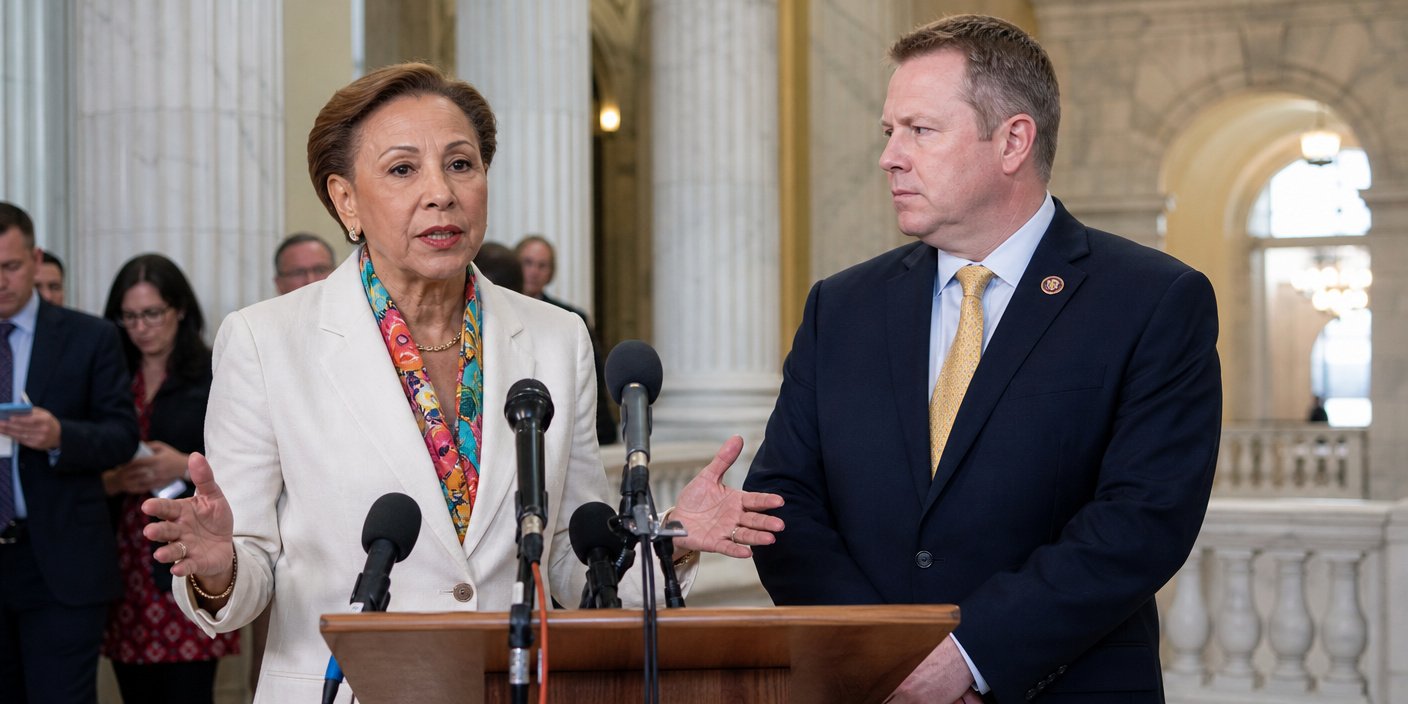
Virginia lawmakers and Governor Glenn Youngkin have reached a landmark agreement to legalize the sale of recreational marijuana, marking a significant shift in the state’s drug policy. The deal, brokered after months of negotiations, paves the way for a regulated market for adult-use cannabis. The agreement aims to establish a framework for licensing, taxation, and public safety related to marijuana sales.
Key Highlights:
- Legalization of recreational marijuana sales in Virginia.
- Agreement reached between the Governor and state lawmakers.
- Establishes a framework for a regulated cannabis market.
- Focus on licensing, taxation, and public safety.
- Potential for significant economic impact and revenue generation.
Virginia’s Path to Legal Cannabis Sales
Virginia has been on a complex journey toward legalizing recreational marijuana. While the state legalized possession and home cultivation of small amounts of cannabis for adults in 2021 through legislative action, a retail market for sales has remained elusive. Previous attempts to establish a commercial sales framework stalled, facing hurdles related to regulatory control and the scope of the market. This new agreement represents a critical step forward, aiming to finally unlock the economic potential and address social equity concerns associated with a legal cannabis industry.
The Negotiation Process
The recent breakthrough followed intensive discussions between the legislative branch and the Governor’s office. Disagreements had previously centered on the structure of the regulatory body, the types of licenses to be issued, and the allocation of tax revenue. Governor Youngkin, initially hesitant about a broad legalization of sales, has now signed off on a compromise plan that balances regulatory oversight with market opportunities. Details of the finalized legislation are expected to be released following official announcements.
Economic Implications and Revenue Projections
The legalization of marijuana sales is anticipated to generate substantial tax revenue for Virginia. While the exact tax rates and revenue distribution model are still under wraps, similar markets in other states suggest significant potential. This revenue could be allocated to various state programs, including education, public health initiatives, and infrastructure. Furthermore, a regulated market is expected to create new jobs in cultivation, processing, retail, and ancillary services, boosting the state’s economy. However, concerns about the impact on the illicit market and the need for effective enforcement will also be paramount.
Social Equity and Public Safety Considerations
Central to the discussions has been the need to address social equity issues stemming from past marijuana prohibition. The agreement is expected to include provisions aimed at promoting participation in the cannabis industry by individuals and communities disproportionately affected by previous drug laws. This could involve initiatives for expungement of past marijuana-related offenses and support for minority-owned businesses. On the public safety front, the framework will likely outline regulations for product safety testing, responsible advertising, and preventing sales to minors, alongside strategies to combat impaired driving.
FAQ: People Also Ask
What is the current legal status of marijuana in Virginia?
As of now, Virginia has legalized the possession and home cultivation of small amounts of cannabis for adults 21 and older. However, a legal framework for retail sales has not yet been fully established, which this new agreement aims to rectify.
Who was involved in the agreement to legalize marijuana sales?
The agreement was reached between Virginia lawmakers in the General Assembly and Governor Glenn Youngkin.
What are the expected economic benefits of legalizing marijuana sales?
Legalization is expected to create jobs, stimulate business growth in the cannabis sector, and generate significant tax revenue for the state, which can be reinvested in public services.
Will there be provisions for social equity in the new law?
Yes, the agreement is expected to include measures to address social equity, aiming to provide opportunities for individuals and communities historically impacted by marijuana prohibition.
When will recreational marijuana sales officially begin in Virginia?
The exact timeline for the commencement of sales will depend on the legislative process, including the drafting and passage of the final bill, followed by the establishment of regulatory bodies and licensing procedures. Official details are pending.