The Science Behind Cannabis Aroma
Ongoing research is shedding light on the intricate factors that shape the aroma of cannabis, revealing that both the specific cultivar and the methods used for drying and storage play a pivotal role. A comprehensive project, employing high-resolution chromatography and human-perception aroma assessments, has provided detailed insights into how preparation and transportation processes influence the chemical composition of cannabis and, consequently, how humans perceive its scents. These volatile organic compounds (VOCs) are not merely scent markers; they are central to the plant’s ecological interactions and are significant drivers of consumer attraction in commercial markets.
Cultivar: The Genetic Blueprint of Aroma
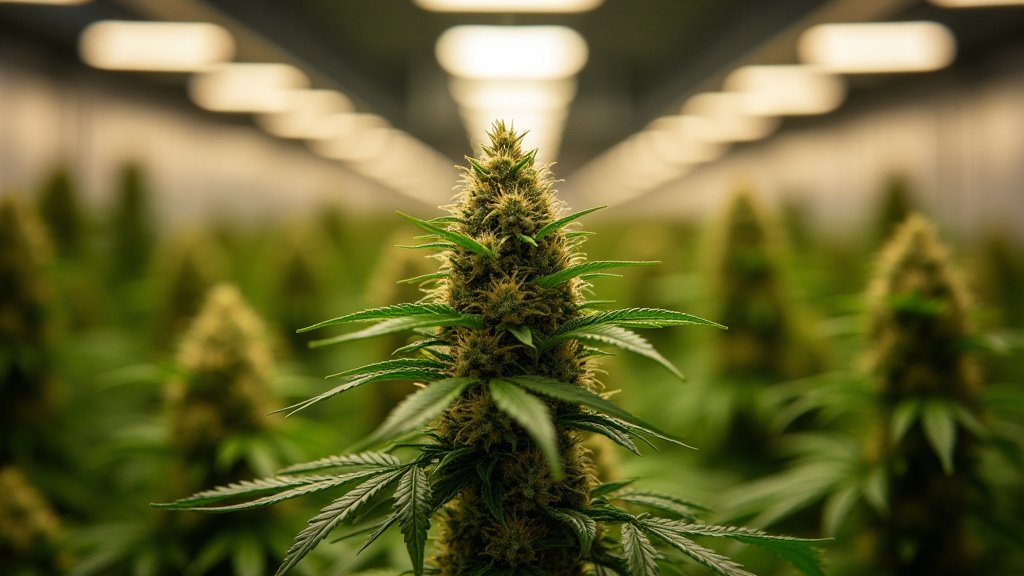
The initial choice of cannabis cultivar lays the foundation for its aromatic potential. Different genetic strains possess unique biochemical pathways that dictate the types and quantities of VOCs produced. This inherent genetic diversity means that even before any post-harvest processing, each cultivar offers a distinct olfactory starting point. For commercial growers, selecting cultivars known for desirable aromatic profiles is paramount to creating products that resonate with consumer preferences. As Dr. Natasha Damiana Spadafora, an assistant professor at the University of Ferrara, Italy, notes, “From a human perspective, different varieties of cannabis smell differently, so the VOCs are strongly implicated in human decisions.” She further emphasizes that beyond the well-known cannabinoids like THC and CBD, “people will naturally select varieties that they prefer the smell of.”
Drying Methods: Preserving or Sacrificing Scent
The drying process, a critical step following harvest, has a profound impact on the preservation of cannabis’s chemical integrity, particularly its aroma. Research indicates that different drying techniques yield distinct outcomes. Freeze-drying, while effective at preserving cannabinoids by preventing their decarboxylation, unfortunately leads to a significant loss of volatile compounds responsible for the plant’s aroma. In contrast, tray-drying has been found to better preserve the natural VOC profile of cannabis inflorescences. This distinction is crucial; while maintaining cannabinoid potency is vital, the aromatic experience is often the primary sensory cue for consumers.
Storage Solutions: Container Choices and Their Aromatic Consequences
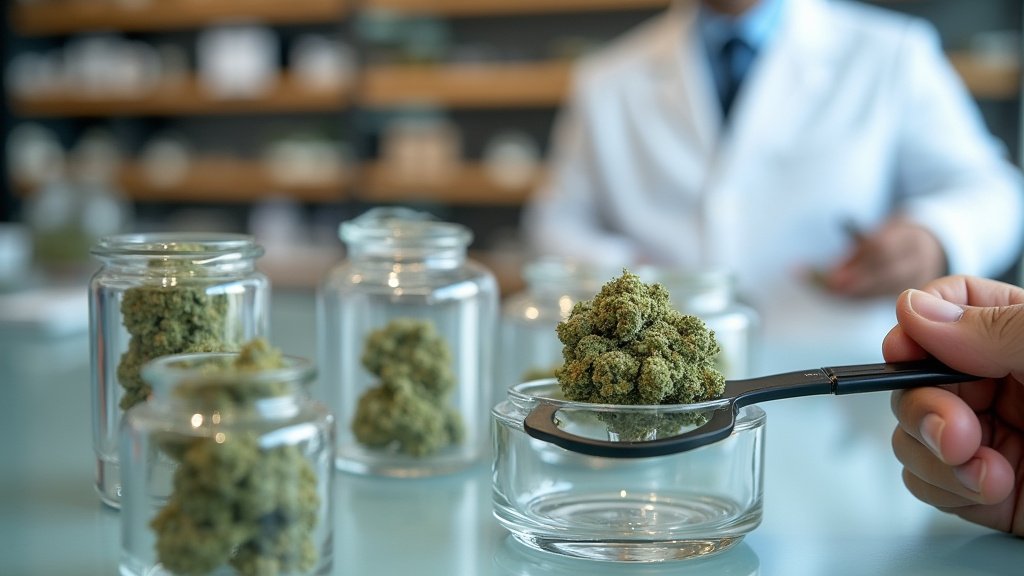
Following drying, the method of storage also significantly influences the cannabis aroma over time. Studies comparing different storage containers have shown that glass containers tend to retain a broader spectrum of VOCs compared to polyethylene containers or simply storing them in open air. This broader retention in glass helps to maintain a more complex and complete aroma profile. However, it’s important to note that glass containers can also promote the conversion of acidic cannabinoids, such as CBDA, into their neutral forms, like CBD. This presents a trade-off where aroma preservation might come at the cost of altering the cannabinoid profile. The rate at which the volatilome changes is also dependent on the storage conditions, suggesting that no method perfectly preserves the initial aroma indefinitely.
The Chemical Language of Aroma: Monoterpenes and Sesquiterpenes
The complex aromas associated with cannabis are largely attributed to a diverse array of VOCs, with monoterpenes and sesquiterpenes being particularly significant. Monoterpenes are often linked to bright, fresh, and citrusy notes, contributing to the invigorating aspects of the cannabis scent. Conversely, sesquiterpenes are generally associated with deeper, woody, and spicier nuances, adding complexity and richness to the overall aroma profile. Beyond these major classes, research is also uncovering the importance of minor, nonterpenoid compounds, such as volatile sulfur compounds and certain fatty acids, which can drive highly specific and exotic aroma characteristics that may be missed by broad terpene analysis.
Implications for Commercial and Clinical Applications
Understanding the impact of cultivar selection and preparation methods on cannabis aroma has significant implications for both the commercial and clinical sectors. For the industry, mastering these factors can lead to more consistent, desirable, and commercially attractive products, enhancing brand reputation and consumer loyalty. In clinical settings, where the sensory experience can influence patient adherence and therapeutic outcomes, standardization of aroma-related compounds could improve the reproducibility of medicinal effects. Clinicians and patients alike can benefit from paying closer attention to cultivar genetics and processing histories to optimize product selection for specific therapeutic goals and minimize variability.
FAQ: People Also Ask
What are the primary compounds responsible for cannabis aroma?
The primary compounds responsible for cannabis aroma are volatile organic compounds (VOCs), with monoterpenes and sesquiterpenes being the most significant classes. Monoterpenes often contribute fresh and citrusy notes, while sesquiterpenes are associated with woody and spicy scents. However, recent research also highlights the role of minor, nonterpenoid compounds in creating unique aromas.
How does freeze-drying affect cannabis aroma?
Freeze-drying cannabis preserves cannabinoids effectively by preventing their decarboxylation. However, it leads to a notable loss of volatile organic compounds (VOCs), which are responsible for the plant’s characteristic aroma. Therefore, while beneficial for cannabinoid preservation, it diminishes the aromatic profile.
Which storage method best preserves cannabis aroma?
Glass containers appear to be the most effective for retaining a broader VOC spread, thus preserving the initial aroma profile better than polyethylene containers or open-air storage. However, this method may also promote the conversion of acidic cannabinoids into neutral forms.
Does the cannabis cultivar significantly impact its smell?
Yes, the cultivar has a significant impact on cannabis aroma. Different genetic strains possess unique biochemical pathways that determine the types and quantities of volatile organic compounds (VOCs) produced, leading to distinct olfactory profiles from the outset.
Can preparation methods alter the therapeutic effects of cannabis through aroma compounds?
Potentially, yes. Aroma compounds, particularly terpenes, are believed to contribute to the entourage effect, which suggests that these compounds can modulate the effects of cannabinoids. Therefore, preparation methods that alter terpene composition could indirectly influence the overall therapeutic effects and sensory experience of cannabis products.