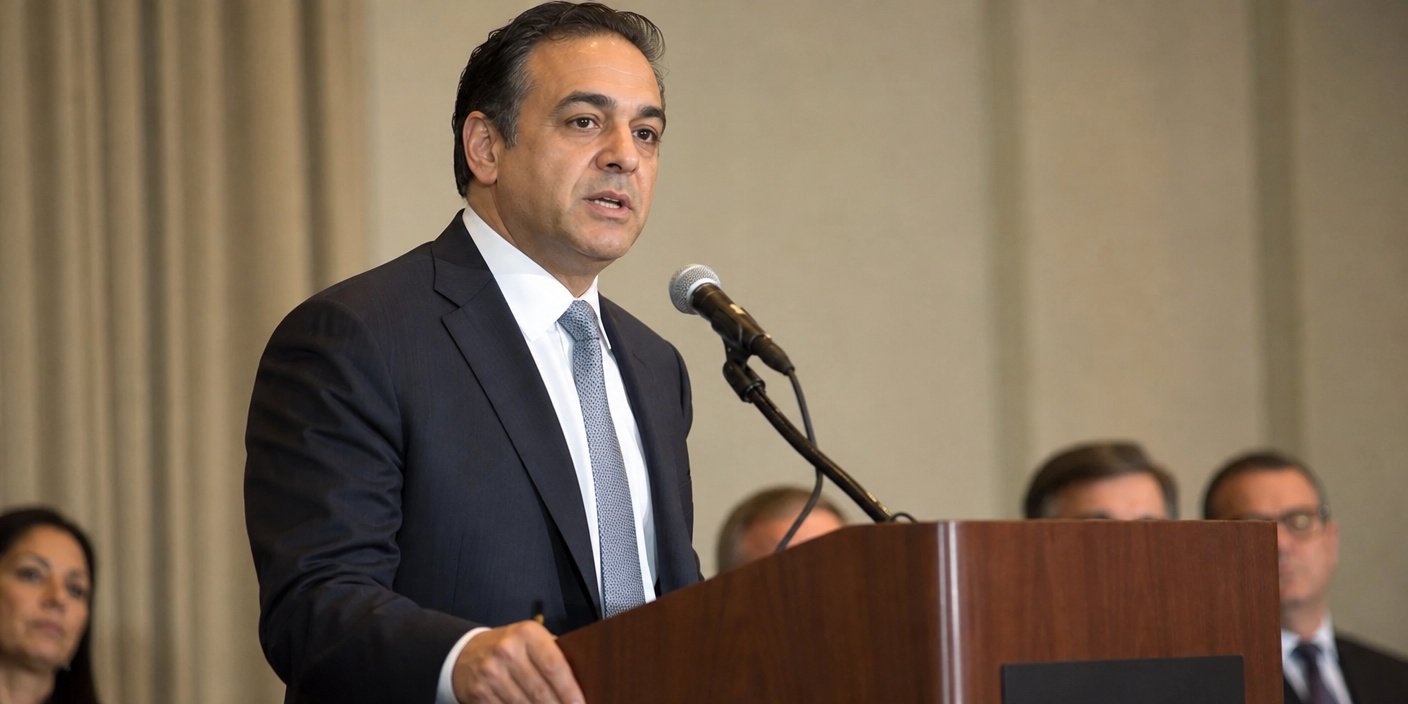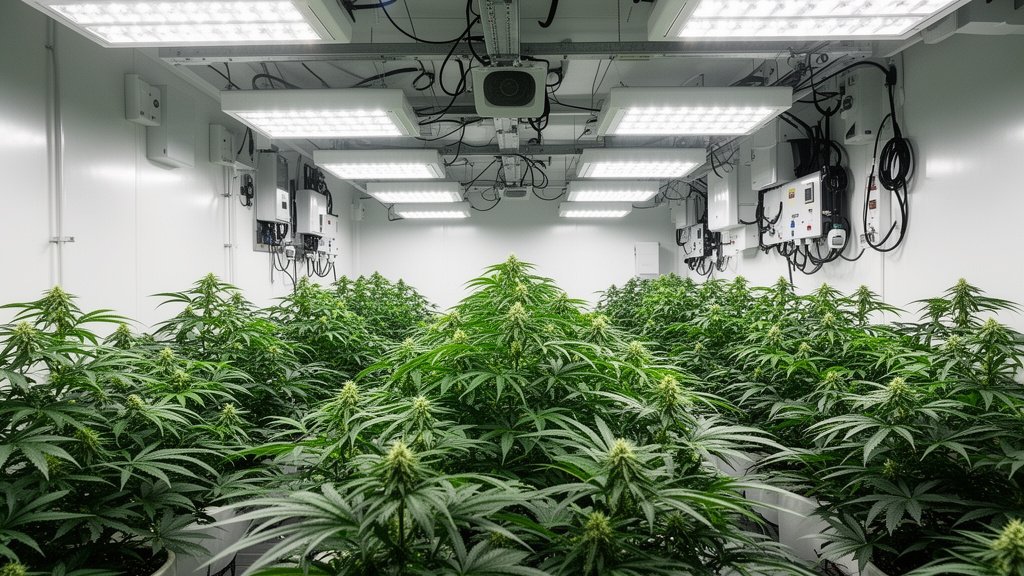
The U.S. Drug Enforcement Administration (DEA) has begun a pivotal hearing concerning the potential rescheduling of cannabis, a move that could fundamentally alter its legal status and impact the burgeoning industry.
Key Highlights:
- The DEA is evaluating whether to reclassify cannabis from Schedule I to a less restrictive category.
- This process involves reviewing scientific and medical evidence related to marijuana’s use and potential for abuse.
- Industry stakeholders, medical professionals, and advocacy groups are closely monitoring the proceedings.
- The outcome could lead to significant changes in research, medical access, and commercial opportunities.
A Historic Juncture for Cannabis Policy
This hearing marks a critical moment in the decades-long debate over cannabis prohibition and regulation in the United States. The DEA’s decision-making process is multifaceted, requiring a thorough examination of cannabis’s scientific and medical applications, alongside its potential for abuse and dependence. Historically, cannabis has been classified as a Schedule I drug under the Controlled Substances Act, a category reserved for substances with no currently accepted medical use and a high potential for abuse. This classification has placed significant barriers on research and medical accessibility.
The Scientific and Medical Review
At the heart of the DEA’s current review is the accumulation of scientific data and medical evidence. This includes studies on the therapeutic potential of cannabinoids like THC and CBD for various medical conditions, such as chronic pain, epilepsy, and nausea associated with chemotherapy. The review also scrutinizes the potential risks, including addiction and adverse psychological effects. The process is informed by recommendations from the Department of Health and Human Services (HHS), which conducted its own review following a petition to reschedule cannabis. The scientific community is eager to see if the evidence presented will lead to a shift in federal policy, potentially unlocking broader avenues for clinical trials and evidence-based medical cannabis programs.
Economic and Industry Implications
The potential rescheduling of cannabis carries profound economic implications for a rapidly growing industry. A move to a less restrictive schedule could facilitate banking services, interstate commerce, and investment, which have been severely hampered by its Schedule I status. Businesses operating in the legal cannabis market, from cultivation and processing to dispensaries and ancillary services, stand to benefit from a more stable and predictable regulatory environment. Analysts predict that a rescheduling could spur significant growth, attracting more mainstream investors and potentially leading to a more consolidated and regulated national market. The economic impact extends beyond direct industry players, potentially creating jobs and generating substantial tax revenue at federal, state, and local levels.
Federal vs. State Law Landscape
Adding complexity to the federal rescheduling debate is the patchwork of state laws that have legalized cannabis for medical or recreational use. Currently, 38 states, the District of Columbia, and several U.S. territories have enacted comprehensive medical cannabis programs, while 24 states, along with the District of Columbia and Guam, have legalized recreational use. The federal government’s stance has often been in tension with these state-level reforms. A federal rescheduling could help alleviate some of this conflict, providing a clearer framework for states and potentially leading to a more cohesive national approach. However, the specifics of any rescheduling will dictate the extent to which federal and state policies align.
Historical Context of Cannabis Scheduling
Cannabis has been subject to federal prohibition and strict scheduling for over half a century, dating back to the Marihuana Tax Act of 1937 and its reinforcement under the Controlled Substances Act of 1970. The classification as a Schedule I substance was based on prevailing scientific understanding and policy priorities of that era. Over the past few decades, however, public opinion, scientific research, and state-level policy changes have dramatically shifted perceptions and approaches to cannabis. The current DEA hearing is a direct response to this evolving landscape and growing calls for federal policy reform that better reflects current scientific knowledge and societal acceptance.
FAQ: People Also Ask
What is the DEA’s role in rescheduling drugs?
The Drug Enforcement Administration (DEA) is responsible for administering and enforcing the Controlled Substances Act (CSA). When a petition is filed to reclassify a drug, the DEA initiates a formal review process, which may include public hearings and consultation with other federal agencies like the Department of Health and Human Services (HHS). The DEA ultimately makes the final decision on whether to move a drug to a different schedule, or remove it entirely, based on scientific and medical evidence.
What are the different drug schedules under the CSA?
The Controlled Substances Act categorizes drugs into five schedules (Schedule I through V) based on their accepted medical use, potential for abuse, and likelihood of causing dependence. Schedule I drugs, like cannabis currently, are considered to have a high potential for abuse and no accepted medical use. Schedule II drugs have a high potential for abuse but do have accepted medical uses (e.g., opioids like oxycodone). Schedules III, IV, and V have progressively lower potential for abuse and accepted medical uses.
What evidence is being considered in the current cannabis rescheduling hearing?
The DEA is reviewing scientific and medical evidence submitted by petitioners and gathered through government assessments. This includes research on cannabis’s efficacy for treating various medical conditions, its abuse potential, and the risks associated with its use. The Department of Health and Human Services (HHS) has provided a recommendation to the DEA based on its own scientific and medical evaluation.
How long does the DEA rescheduling process typically take?
The rescheduling process can be lengthy and complex, involving multiple stages of review, public comment periods, and potential administrative hurdles. While a specific timeline for the current cannabis review has not been set, past rescheduling decisions have taken months to several years from the initial petition to a final ruling.
What are the potential impacts of rescheduling cannabis to Schedule III?
Rescheduling cannabis to Schedule III would classify it as having a moderate to low potential for physical and psychological dependence and accepted medical use. This would significantly ease restrictions on research, potentially allowing for more clinical trials and development of cannabis-based medicines. It could also impact how cannabis products are regulated, taxed, and accessed, potentially creating a more unified federal approach that aligns better with existing state laws and opens up new avenues for the pharmaceutical and medical industries. Banking and financial services for cannabis businesses could also become more accessible.