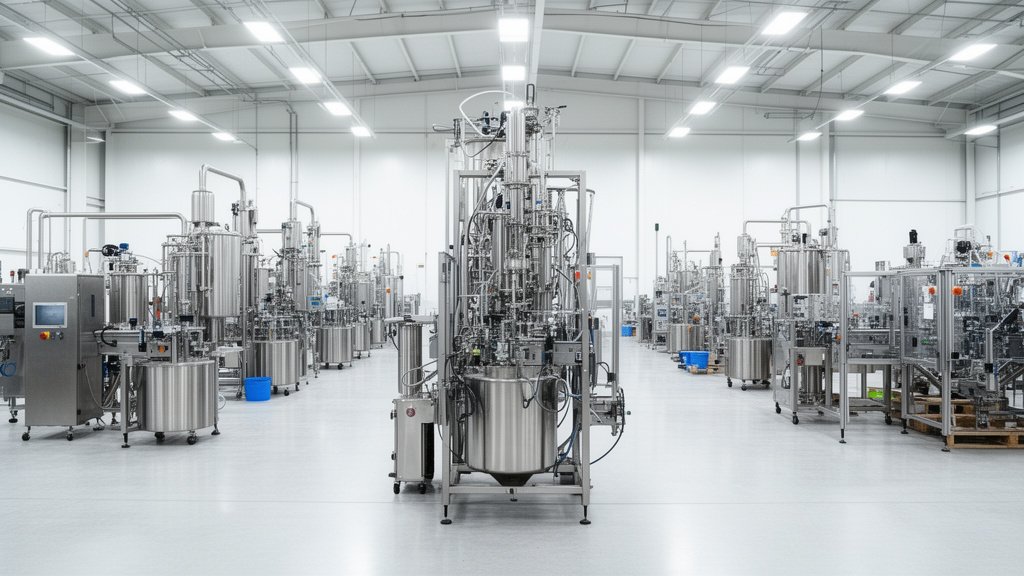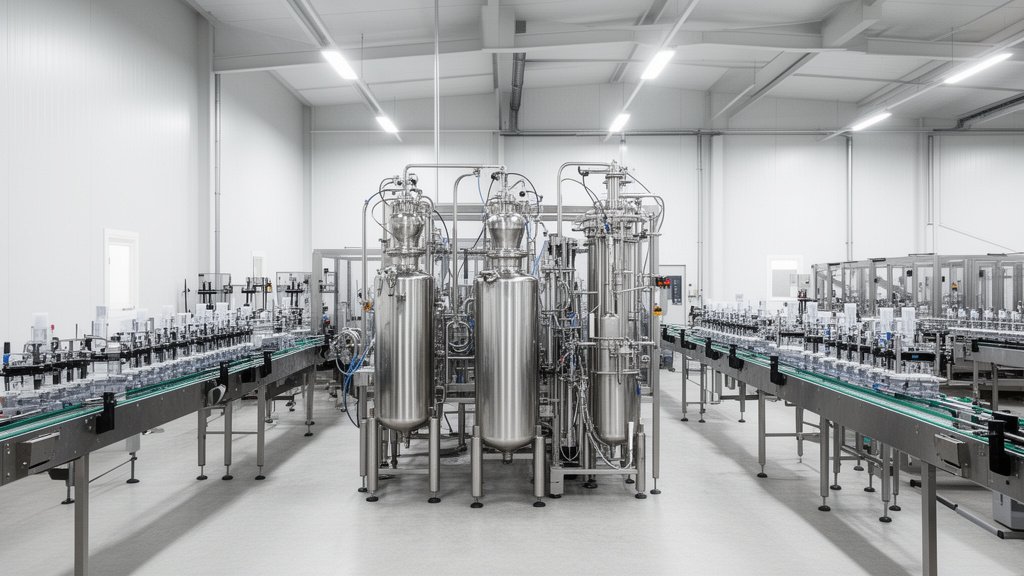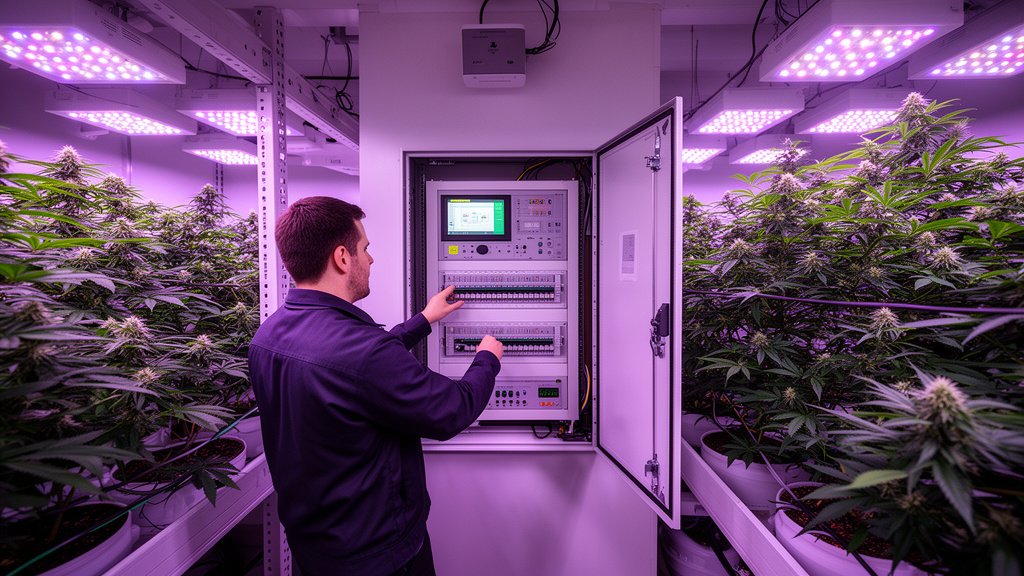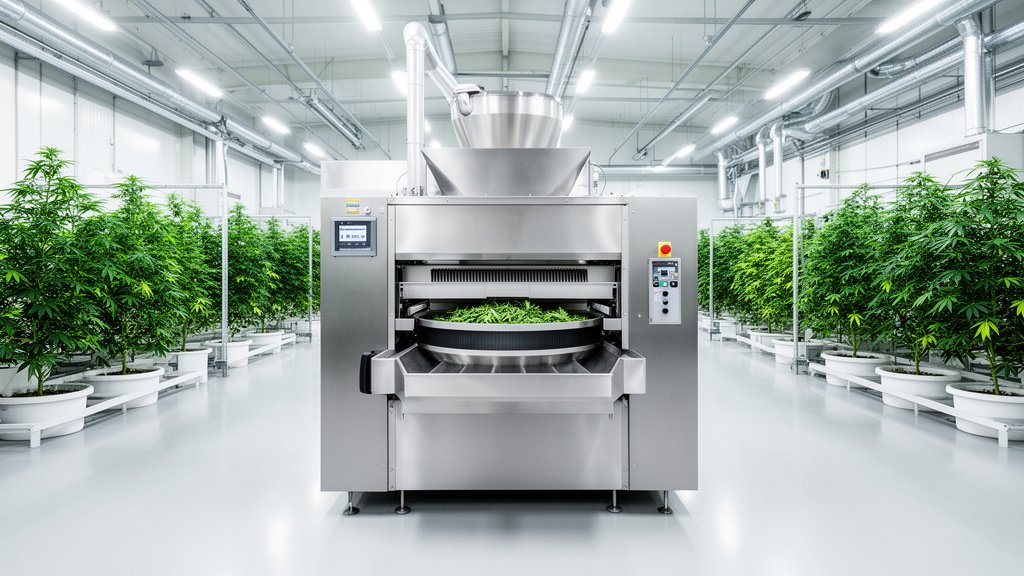
The cannabis industry is witnessing a seismic shift in operational efficiency as Eteros Technologies, the parent company of the industry-standard Mobius Trimmer, has completed its strategic acquisition of Triminator, a premier California-based manufacturer of harvest equipment. This merger consolidates two powerhouses of post-harvest automation, promising a new era of yield optimization for commercial cannabis and hemp cultivators across North America. As the legal cannabis market matures, the ability to process high volumes of plant material while maintaining premium quality is no longer just a luxury—it is a baseline requirement for economic survival.
Key Highlights
- Strategic Consolidation: Eteros Technologies has integrated Triminator into its portfolio, effectively merging the engineering capabilities of the Mobius and Triminator brands.
- Operational Efficiency: The acquisition is designed to streamline the entire post-harvest supply chain, offering growers a full-stack solution for bucking, trimming, and sorting.
- Market Synergy: By combining Eteros’s industrial-grade, continuous-duty systems with Triminator’s versatile, user-friendly equipment, the newly combined entity aims to dominate the mid-to-large-scale cultivation market.
- Focus on ROI: The move underscores the growing industry trend where ancillary tech companies are prioritizing automation to combat rising labor costs and falling wholesale cannabis prices.
The Strategic Integration of Harvest Giants
The acquisition of Triminator by Eteros Technologies represents more than just a change in ownership; it is a calculated effort to define the technological trajectory of the global cannabis market. Eteros, renowned for the Mobius line of trimmers, has built a reputation on high-throughput, industrial-scale processing. Triminator, conversely, has carved out its market share through a reputation for versatility, precision, and reliable engineering. By bringing these two entities under one roof, Eteros is effectively creating a “one-stop-shop” for cultivators ranging from mid-sized boutique farms to massive, multi-state industrial operations.
The Economics of Automated Harvesting
The primary driver behind this merger is the relentless pressure on cultivation margins. In the early days of legalization, hand-trimming was the standard, a labor-intensive practice that prioritized the aesthetic preservation of the flower. However, as the industry has scaled, labor has become one of the most volatile and expensive line items in a cultivator’s P&L statement.
Automated trimming systems—such as those produced by the combined Eteros-Triminator lineup—are designed to mimic the quality of hand-trimming while processing thousands of pounds of product in a fraction of the time. The integration allows the company to leverage Eteros’s industrial prowess to standardize hardware and software, potentially lowering the total cost of ownership for growers. This is a critical development. When wholesale prices compress, the only way to remain profitable is to lower the cost-per-gram produced. Efficiency in the drying, bucking, and trimming phases is where the most significant gains can be realized.
Technological Synergy and Innovation
Innovation in post-harvest technology has moved beyond simple “cut and trim” mechanisms. The current arms race in the sector is focused on trichome preservation. Trichomes—the resin glands that contain the plant’s cannabinoids and terpenes—are incredibly fragile. Older generation machines were often criticized for “beating up” the flower, stripping away the very quality that defines premium product.
Both Mobius and Triminator have spent years developing low-impact technology, utilizing gentle handling and sophisticated airflow to ensure the flower retains its structural integrity. The merger allows for the cross-pollination of this IP (intellectual property). By combining Mobius’s continuous-duty, stainless-steel-heavy designs with Triminator’s unique bucking technology and proprietary tension control, the new entity is poised to set a global benchmark for what “machine-trimmed” actually means.
Broader Market Impact and Consolidation
This merger is emblematic of a broader trend: the “ancillary gold rush.” While plant-touching businesses (growers, dispensaries) face complex regulatory hurdles, tax burdens like 280E in the U.S., and interstate commerce bans, the ancillary sector—those who sell the shovels, lights, and trimming machines—has been the engine of industry growth.
However, even this sector is now consolidating. As the initial boom of cannabis startups begins to cool, weaker players are being acquired by firms with stronger balance sheets. This “professionalization” of the ancillary space is vital for long-term stability. Investors are no longer looking for companies with “cool technology”; they are looking for companies that have the scale, supply chain, and support infrastructure to serve industrial clients reliably. This acquisition positions Eteros as a tier-one supplier, making them a more attractive partner for MSOs (Multi-State Operators) that require consistent, scalable, and repairable equipment.
Looking Ahead: The Future of the Harvest Suite
The integration of Triminator into Eteros is likely just the beginning. The future of harvest technology lies in the digitization of the harvest floor. We expect to see the next generation of these combined tools feature IoT (Internet of Things) integration—where machines track throughput in real-time, provide predictive maintenance alerts, and sync data directly with inventory management software. As the Eteros and Triminator teams merge, the ability to standardize these features across a wider range of products will be a distinct competitive advantage. For the average cultivator, this means that the equipment they buy today will be more capable, better supported, and more deeply integrated into the data-driven future of cannabis agriculture.
FAQ: People Also Ask
Q: How does this acquisition affect current owners of Triminator equipment?
A: While Eteros is now the parent company, there has been no immediate indication that support for existing Triminator equipment will cease. On the contrary, acquisitions of this nature typically aim to strengthen the service and support infrastructure by pooling resources.
Q: What is the main goal of the Eteros and Triminator merger?
A: The primary objective is to consolidate expertise in cannabis post-harvest automation. This integration aims to improve harvest efficiency, lower labor costs for cultivators, and combine the specialized technologies of both brands to create a more comprehensive product catalog.
Q: Will this merger change the price of cannabis harvesting equipment?
A: Market consolidation often leads to more efficient production and logistics, but pricing depends on various factors. However, the goal is to provide better value to the grower by offering more integrated and efficient systems that provide a faster Return on Investment (ROI).
Q: How does the Mobius and Triminator product lineup differ?
A: Historically, Mobius has been widely recognized for high-volume, continuous-duty industrial trimmers, while Triminator has been known for its wide range of solutions, including bucking machines and trimmers that cater to varying scales of production. The merger allows for a unified approach to these different market segments.