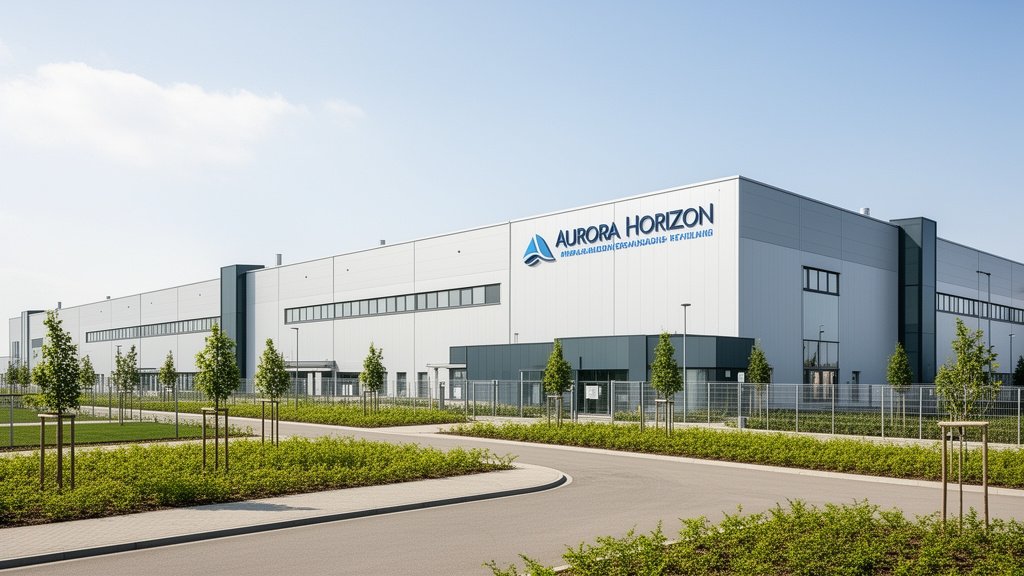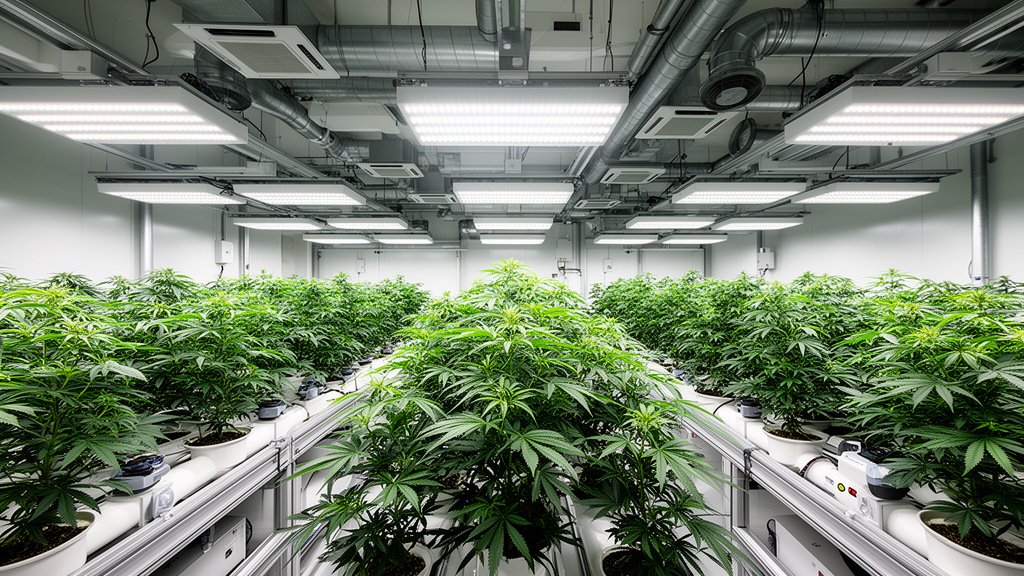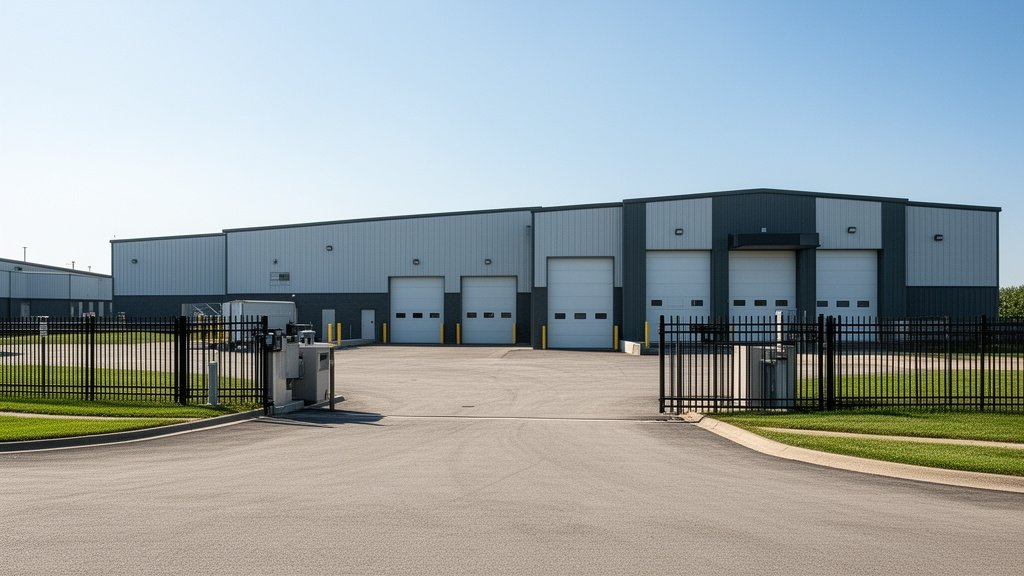
In a pivotal ruling that reshapes the legal landscape for Connecticut’s cannabis industry, the state Supreme Court has ruled unanimously that the town of Suffield cannot arbitrarily block an existing hemp processing facility from transitioning into cannabis operations. The decision, centered on the case of Sackler v. Zoning Commission of the Town of Suffield, establishes that municipalities cannot distinguish between state-licensed activities based on proprietary licensing regimes if the underlying industrial use remains consistent with local zoning ordinances.
Key Highlights
- Unanimous Decision: The Connecticut Supreme Court reversed lower court findings, siding with the hemp facility operators against the Suffield Zoning Commission.
- Industrial Consistency: The Court held that the town could not bar the facility, as the processing of cannabis fell under the pre-existing, permitted classification of “industrial use.”
- State vs. Local Power: The ruling reinforces that municipalities cannot use zoning regulations to circumvent state-level cannabis legalization frameworks by creating “de facto” bans.
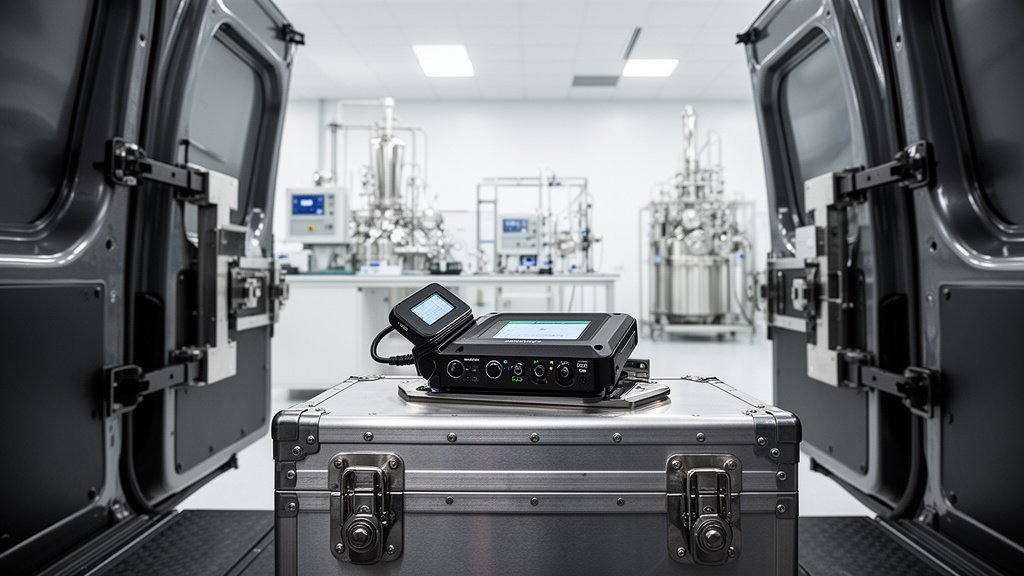
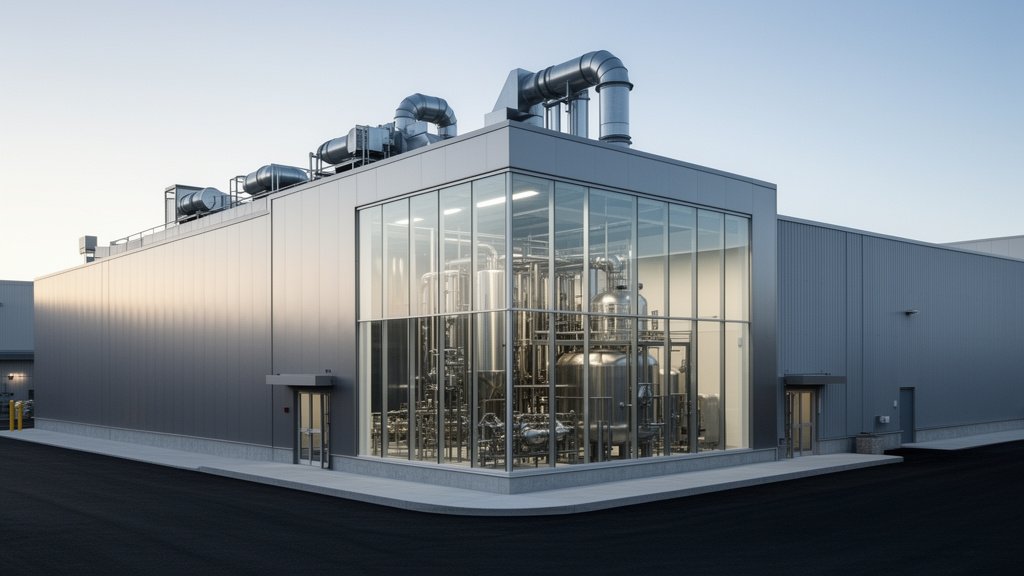
- Infrastructure Utilization: The decision permits the facility to leverage its existing extraction infrastructure, previously used for hemp, for cannabis production.
The Legal Precedent: Defining ‘Industrial Use’ in Cannabis Zoning
The central tension of the case lay in the interpretation of local zoning codes. The Zoning Commission of the Town of Suffield had attempted to prevent the facility from processing cannabis by arguing that while the facility was permitted to process hemp, cannabis was a distinct “use” requiring separate approval—approval the town was effectively withholding. The Supreme Court’s analysis cut through this regulatory nuance, focusing instead on the functional reality of the operation.
The Functional Approach
Justice and legal scholars note that the Court’s focus was on the definition of “processing.” In the industrial sector, processing activities—whether extraction, refining, or packaging—often share identical machinery, safety protocols, and operational footprints, regardless of the botanical source of the material. By arguing that the town’s zoning code allowed for “industrial processing,” the Court determined that the municipality could not discriminatorily exclude cannabis processing if the facility had already satisfied the requirements for hemp processing. This functionalist interpretation effectively bars towns from using “botanical discrimination” as a loophole to stifle the cannabis industry.
The Limits of Municipal Zoning Power
This ruling sends a clear message to municipalities across Connecticut: local control, while vital, cannot be used to undermine the legislative intent of the state’s legalization of cannabis. The Suffield case serves as a warning for local planning and zoning commissions that their ordinances must be legally defensible and based on land-use impact, rather than a moral or political aversion to the product being processed. If an industrial zone allows for the manufacturing and processing of botanical products, it cannot selectively ban cannabis without a distinct, non-discriminatory land-use justification.
Economic and Regulatory Implications
For the cannabis industry, this decision is a catalyst for efficiency. Operators who have invested millions in extraction infrastructure—equipment that is highly specialized, expensive, and sensitive—can now breathe a sigh of relief. The ability to pivot or expand operations without undergoing years of litigation over zoning definitions is critical for business solvency in a competitive market.
Efficiency in Infrastructure
Cannabis extraction is capital-intensive. The facility in question was already compliant with state safety standards for hemp extraction. By allowing the transition, the Court has effectively lowered the barrier to entry, permitting operators to optimize their assets. This efficiency is likely to attract further investment into the Connecticut sector, as stakeholders now have a clearer understanding of their legal protections against municipal overreach.
The Future of Cannabis Real Estate
We are likely to see a shift in how cannabis real estate is approached. Developers and facility owners will now lean into “industrial zone” locations, ensuring they have the strongest legal footing possible. However, towns may respond by attempting to rewrite zoning codes to be more exclusionary—a process that will inevitably lead to further “exclusionary zoning” litigation. This case establishes a “high water mark” for industry defenders, creating a blueprint for future legal challenges against towns that attempt to block operations through ambiguity.
FAQ: People Also Ask
1. Does this ruling allow cannabis shops to open anywhere in Suffield?
No. This ruling specifically addresses “processing” facilities in industrial zones. It does not provide a blanket allowance for retail cannabis dispensaries, which are subject to different zoning regulations, public sensitivity considerations, and municipal moratoriums.
2. Can other Connecticut towns still block cannabis facilities?
Municipalities retain some power to regulate the time, place, and manner of cannabis businesses. However, this ruling restricts their ability to use “licensing type” as a proxy for banning an industry that is otherwise compliant with the town’s industrial land-use policies.
3. What does this mean for the hemp industry?
The ruling underscores that hemp and cannabis share significant overlap in terms of industrial processing requirements. It validates the infrastructure investments made by hemp operators, suggesting that the “hemp to cannabis” pivot is a viable business strategy that cannot be blocked simply because the town prefers one crop over the other.