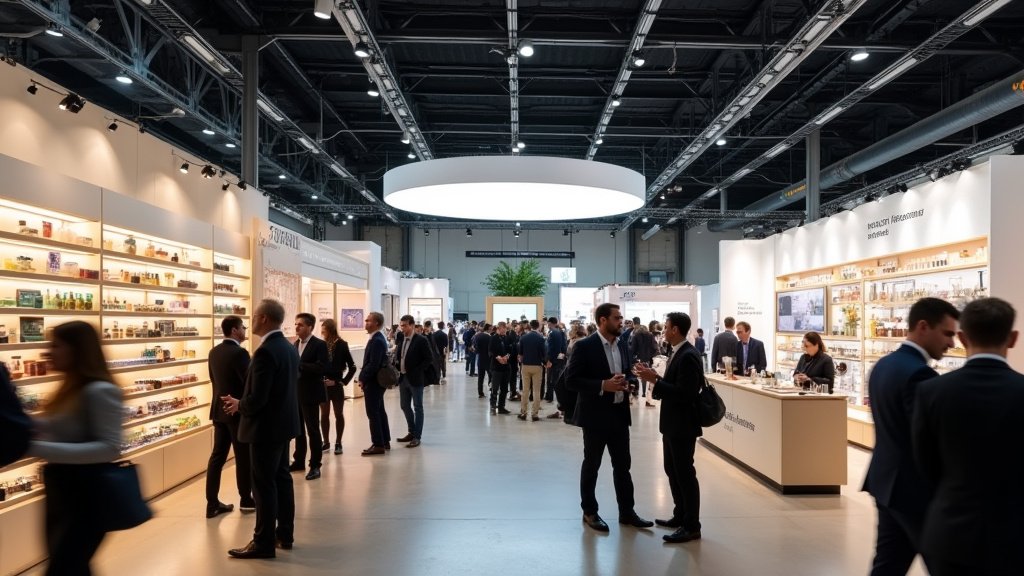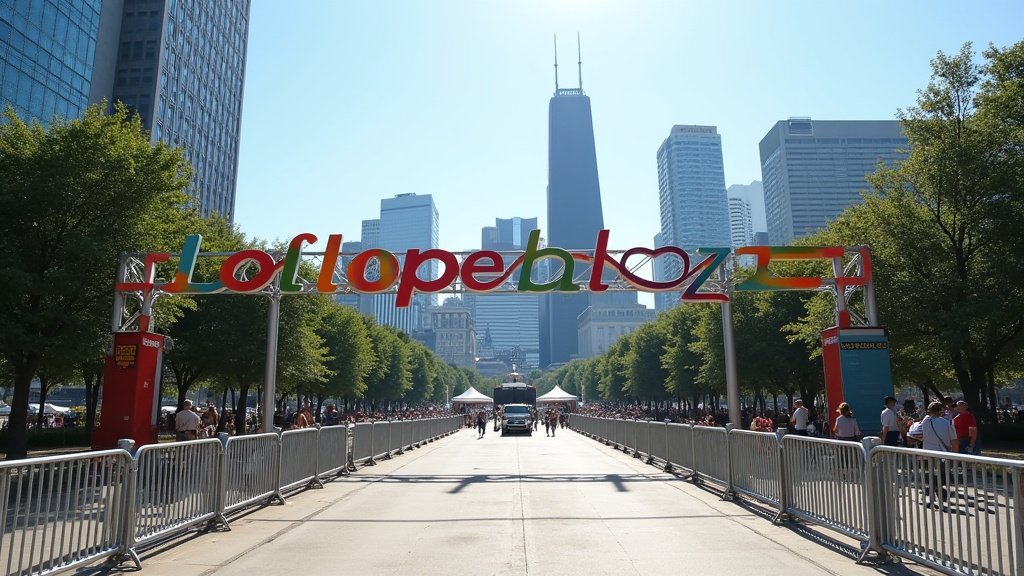
As the gates of Grant Park prepare to open for the annual Lollapalooza music festival, the Chicago Division of the Drug Enforcement Administration (DEA) has issued a stark public safety warning that reverberates well beyond the music community. Federal authorities are advising attendees to exercise extreme caution regarding counterfeit pharmaceuticals and substances, specifically highlighting the pervasive risk of fentanyl—a synthetic opioid 50 times more potent than heroin—being mixed into pills and other drugs.
Key Highlights
- Counterfeit Warning: The DEA explicitly warns that traffickers are flooding urban centers with pills disguised as legitimate prescription medications, such as Xanax, Percocet, and Adderall, which often contain lethal doses of fentanyl.
- Grant Park Vigilance: With over 100,000 attendees expected daily at Lollapalooza, federal agents emphasize that drug traffickers view large-scale festivals as prime targets for distribution.
- ‘One Pill Can Kill’: The national DEA campaign highlights that there is no way to visually identify a counterfeit pill; they often look identical to pharmaceutical-grade medications.
- Immediate Safety Steps: Officials urge attendees to avoid all substances not obtained directly from a licensed pharmacy and to be aware of the signs of opioid overdose.
The Anatomy of the Threat: Synthetic Danger at Grant Park
The DEA’s warning ahead of Lollapalooza is not merely a precautionary measure but a response to a shifting landscape in illegal drug distribution. The modern illicit market has moved away from traditional heroin in favor of synthetic opioids. Fentanyl, which is cheap to manufacture and easy to transport, has become the primary additive in counterfeit pills. Because these pills are pressed in clandestine labs to look like authentic Adderall, Xanax, or oxycodone, even experienced users are often unaware of what they are ingesting until it is too late.
During large events like Lollapalooza, the density of the crowd and the transient nature of the population provide a smokescreen for traffickers. DEA intelligence suggests that the supply chain for these drugs often routes through major metropolitan hubs like Chicago, where interstate highways act as corridors for illicit material flowing from the southern border to the Midwest. The warning specifically targets the misconception that ‘party drugs’ like MDMA are safer than other substances, noting that these, too, are frequently cut with fentanyl or methamphetamines to increase potency or addictive qualities.
The Sophistication of Counterfeit Pill Presses
One of the most alarming aspects of the current crisis is the industrial sophistication of illicit drug production. Cartels and local distributors utilize pill presses that can produce thousands of tablets per hour. These tablets are often stamped with the same imprints found on legitimate pharmaceutical-grade pills. To the naked eye, a counterfeit M30 oxycodone pill is indistinguishable from the real thing. Laboratory testing by the DEA has confirmed that as many as seven out of ten counterfeit pills seized in recent operations contain a lethal dose of fentanyl. This reality renders the concept of ‘dosage control’ for a recreational user essentially impossible, as the distribution of fentanyl within a single batch of pills is rarely uniform.
The Economics of Urban Distribution
Chicago’s status as a major logistical hub makes it a primary theater for the DEA’s anti-narcotics operations. The city’s geography, combined with its high-profile events, creates a recurring cycle of demand and supply. Traffickers utilize the anonymity of large crowds to offload high volumes of product, knowing that the likelihood of identification in a sea of thousands of people is significantly lower than in other retail environments. This is why the DEA has shifted its focus from simple street-level interdiction to high-level supply chain disruption. By alerting the public directly before events like Lollapalooza, the agency attempts to shrink the market demand through awareness, effectively starving the traffickers of their customer base.
Harm Reduction and Emergency Protocol
In the context of a festival environment, the DEA and local public health officials are emphasizing the necessity of harm reduction strategies. While the primary message remains abstinence from illicit substances, the reality of the festival experience necessitates a discussion on emergency protocol. This includes the widespread availability and use of Naloxone (Narcan), which can reverse the effects of an opioid overdose. Attendees are encouraged to be aware of their surroundings, look out for friends who may show signs of respiratory distress, and understand that in a festival setting, time is the critical variable. Symptoms of a fentanyl overdose include blue or gray skin, constricted pupils, and a total loss of consciousness. Immediate medical intervention is the only solution.
FAQ: People Also Ask
Q: How can I tell if a pill is real or fake?
A: You cannot tell by looking. Counterfeit pills are produced with high-quality presses that mimic the shape, color, and imprints of legitimate medications. Even a tablet that looks perfectly uniform may contain a lethal dose of fentanyl.
Q: Why is fentanyl being put into pills that aren’t opioids?
A: Traffickers add fentanyl to a wide variety of substances to create addiction or increase the perceived potency of the drug. It is a cost-effective way to ensure a customer base remains dependent on their supply.
Q: What should I do if I suspect someone is overdosing?
A: Call emergency services immediately. If Naloxone (Narcan) is available, administer it as directed by the instructions. Stay with the person until medical professionals arrive.
Q: Is marijuana at festivals also at risk?
A: The DEA and local health officials have noted incidents where marijuana has been laced with fentanyl to increase potency, though it is less common than in pressed pills. The safest policy is to avoid any substance from an unknown or unverified source.