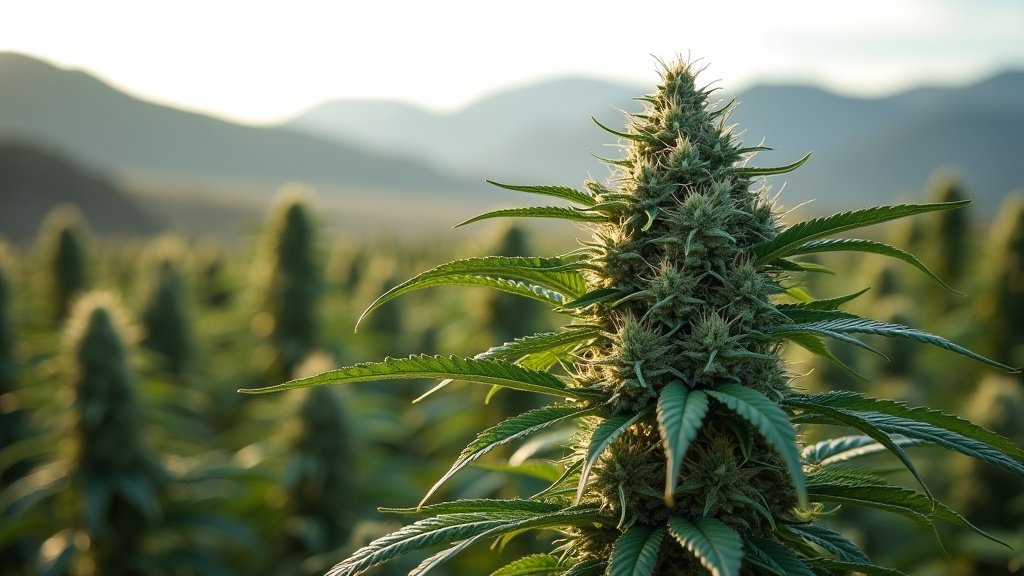
Toad Venom has cemented its status as the most hyped cannabis strain of 2026, transforming from a shadowy forum legend into the highest-demand product in dispensaries across North America. The strain has redefined contemporary market dynamics, with its viral social media presence, aggressive clone-only distribution model, and enigmatic genetic origin story creating a frenzy of consumer interest that shows no signs of slowing down. As dispensaries report record-breaking sell-through rates, analysts are pointing to Toad Venom as the definitive case study in modern, digital-first cannabis branding.
Key Highlights:
- Market Dominance: Toad Venom has achieved top-tier status in 85% of premium dispensaries in legal markets across California, Oregon, and Colorado, often selling out within hours of restocking.
- The Clone Economy: Unlike traditional seeds, the strain is primarily distributed via verified ‘clone-only’ drops, with single cuttings commanding prices as high as $500 in private collector circles.
- Genetic Controversy: Online forums remain deeply divided, with debate centered on whether the strain is a stabilized cross of ‘Bufo Alvarius’ genetics or a carefully guarded proprietary hybrid from a clandestine breeder collective.
- Economic Impact: The strain has single-handedly inflated the demand for high-terpene, ‘exotic’ phenotype products, shifting consumer preferences away from standard THC-percentage shopping toward terpene-profile specificity.
The Anatomy of the 2026 Cannabis Phenomenon
Toad Venom represents a massive shift in how cannabis culture consumes new cultivars. In previous years, the market was driven by mass-market commercial genetics, but 2026 has marked the era of the ‘digital-first’ strain. The explosion of Toad Venom is not merely a result of its potent effects or unique flavor profile; it is a calculated masterclass in scarcity marketing and community engagement.
The Genetic Mystery and the ‘Bufo’ Connection
The intrigue surrounding Toad Venom begins with its lineage, which remains a source of intense speculation. The most persistent rumor suggests that the breeders utilized select traits from the Bufo Alvarius toad (5-MeO-DMT), a source of significant controversy and fascination in the industry. While legitimate botanists and legal cultivators confirm that the cannabis strain contains no psychoactive toad secretions—a common misconception fueled by the internet—the marketing surrounding the name has capitalized on this mystical association. This ‘shamanic’ branding has resonated deeply with a younger, experience-seeking demographic that values the narrative behind the product as much as the chemical composition.
Beyond the mythology, the physical properties of the plant are what have secured its reputation among connoisseurs. Cultivators describe a high-terpene profile, dominated by limonene and myrcene, resulting in a distinctively pungent, earthy aroma that separates it from the fruit-forward profiles that dominated the early 2020s. This deviation from the ‘candy-terp’ trend has been perceived as a return to ‘real’ cannabis, a sentiment that has galvanized legacy market advocates.
The Rise of the Clone-Only Distribution Model
A critical factor in the strain’s success is the strategic decision to restrict the plant’s availability to ‘clone-only’ drops. By refusing to release seeds, the primary breeders—an anonymous collective often referred to as ‘The Toad Keepers’—have created a closed-loop system of quality control. This move prevents the generic dilution of the strain, ensuring that every batch of Toad Venom found in a dispensary is genetically identical to the original phenotype.
This scarcity model has forced a change in how dispensaries operate. Budtenders now act as curators of exclusive, limited-run inventory, and customers are increasingly treating strain drops with the same urgency as limited-edition sneaker releases. This ‘hype culture’ has successfully shifted the economic power in the industry back toward boutique cultivators who can prove the provenance of their genetics.
Secondary Angles: Examining the Market Shift
1. The Death of the ‘High-THC’ Era: For a decade, consumers were trained to shop for the highest THC percentage on the label. Toad Venom has signaled the end of this trend. Because the strain is marketed heavily on its ‘terpene-forward’ profile and complex, nuanced effects, it has forced average consumers to become more educated about plant biology. This shift in consumer behavior is likely to have long-lasting effects on how all cannabis products are tested, labeled, and sold.
2. The Underground Intellectual Property (IP) War: The massive success of Toad Venom has triggered an arms race among corporate breeders to replicate its success. Several large-scale agricultural companies are currently involved in legal and informal disputes over who owns the original ‘mother’ plant. This tension highlights the growing need for better intellectual property protections for plant breeders within the legal cannabis framework, which remains a significant regulatory hurdle.
3. The Environmental Impact of Indoor Boutique Cultivation: High demand for the specific phenotype of Toad Venom has driven an increase in energy-intensive indoor cultivation, as the plant is notoriously difficult to grow outdoors. Environmental watchdogs are now beginning to scrutinize the carbon footprint associated with such ‘hype’ strains, suggesting that the industry may soon face regulatory pressure to prioritize sustainable breeding practices over pure marketability.
FAQ: People Also Ask
Q: Does Toad Venom contain any hallucinogenic compounds from toads?
A: No. Despite the name and the viral online marketing suggesting a connection to Bufo Alvarius, Toad Venom is a purely cannabis-based strain. It contains no illicit or non-cannabis compounds.
Q: Why is Toad Venom so difficult to find in some states?
A: Due to the ‘clone-only’ distribution model, the strain cannot be grown from seeds. It requires physical cuttings of the original mother plant, which creates a logistical bottleneck for distribution and keeps supply intentionally limited.
Q: Is the high price of Toad Venom justified?
A: From a market perspective, the price reflects the difficulty of cultivation and the exclusivity of the genetics. Connoisseurs argue that the complex terpene profile provides a unique therapeutic experience that justifies the premium price, while critics argue the cost is primarily driven by artificial hype.
Q: How can I verify if the Toad Venom I am buying is real?
A: Authentic Toad Venom is typically sold through verified retailers who can trace the supply chain directly back to the original breeders. Check for dispensary accreditation and ensure the product packaging includes a QR code or authentication seal.