The Shifting Landscape: Behavioral Drivers and Market Dynamics
As the global cannabis industry matures, the intersection of consumer behavior, psychological motivation, and regulatory scrutiny has become the focal point of recent academic and market research. While early legalization efforts focused on supply chains and illicit market displacement, the current conversation is shifting toward the ‘why’ and ‘how’ of modern consumption. Recent findings, including comprehensive roundups on usage patterns among youth and evolving purchasing preferences in Canada, suggest that cannabis is no longer just a recreational commodity, but a product increasingly defined by its perceived psychological function and sophisticated sensory branding.
The Psychology of Consumption: Understanding Coping Motives
Recent academic inquiry has placed a significant lens on ‘coping motives’ as a primary driver for cannabis use, particularly among younger demographics. Unlike ‘enhancement motives,’ which prioritize the pursuit of positive feelings or social bonding, coping motives involve using cannabis specifically to mitigate or manage negative affect, such as stress, anxiety, or traumatic symptoms. Data suggests a correlation between the increasing availability of cannabis products and an uptick in users reporting that they utilize the substance as a primary coping mechanism for mental health struggles.
This trend poses a complex challenge for public health officials. When users, especially adolescents and young adults, identify cannabis as an effective regulator for emotional distress, the potential for dependency increases significantly. Researchers are urging for more nuanced public education campaigns that address the underlying mental health stressors rather than simply focusing on the prohibition of the substance itself. The shift implies that for many, cannabis is occupying a space previously reserved for pharmaceuticals or traditional therapeutic interventions, necessitating a closer examination of how marketing and public perception influence this substitution.
Canada’s Market Maturation: From Flower to Formulations
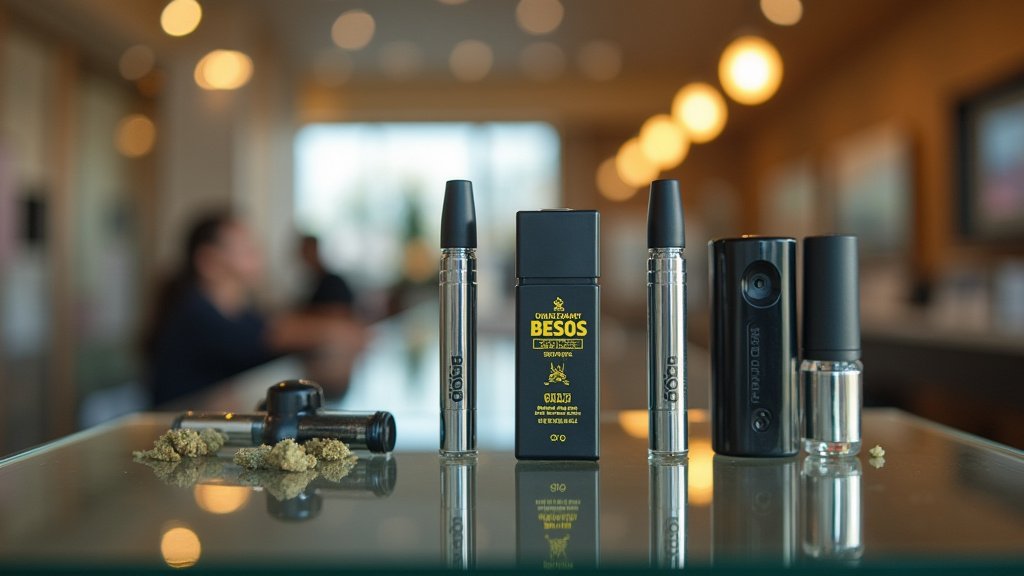
Canada, having pioneered federal legalization, offers a longitudinal case study for market evolution. Recent industry data confirms that the Canadian consumer base is moving rapidly away from traditional dried flower toward refined product categories. While dry flower dominated the early legal market, current statistics indicate a substantial pivot toward vapes, edibles, and pre-rolls. This shift is driven by a quest for convenience, discretion, and consistent dosing—factors that define the ‘Cannabis 2.0’ era.
Furthermore, price sensitivity has become a defining characteristic of the Canadian market. As legal retailers compete with the residual illicit market, manufacturers are squeezing margins to prioritize volume. This ‘race to the bottom’ on pricing, while beneficial for consumer accessibility, is prompting regulatory concern regarding product safety and the potential for increased potency in lower-cost, mass-produced items. The evolution of this market serves as a blueprint for other nations: legalization does not eliminate the illicit market; rather, it transitions competition from supply access to product innovation and price efficiency.
The Science of Sensory Branding: How Flavor Drives Demand
Perhaps the most contentious area of the current regulatory debate is the use of ‘flavor-based’ product branding. From terpene-rich extract profiles to fruit-forward vape cartridges, manufacturers are leveraging sensory science to differentiate their offerings. Recent research indicates that flavor descriptions are not merely descriptive; they act as powerful behavioral cues that influence purchasing intent, particularly among new or infrequent users who may find the raw, earthy profile of traditional cannabis off-putting.
Regulators are now grappling with the fine line between helpful product identification and what some characterize as ‘youth-appealing’ marketing. The strategic use of flavor names—often mimicking culinary delicacies or popular snacks—has invited scrutiny from bodies such as Health Canada and various provincial regulators. The core debate is whether these branding strategies are essential to the maturity of a competitive, legal industry or if they inadvertently create a lower barrier to entry for underage populations. As jurisdictions worldwide look to draft their own cannabis regulatory frameworks, the tension between commercial sensory innovation and public health safeguards will likely remain the most significant hurdle for operators and policymakers alike.
FAQ: People Also Ask
1. What are ‘coping motives’ in the context of cannabis use?
Coping motives refer to the psychological reasons behind substance use where the primary goal is to regulate negative emotions, reduce stress, or manage anxiety. Researchers distinguish this from ‘enhancement motives,’ which are about maximizing pleasure.
2. How has the Canadian cannabis market evolved since legalization?
Canada has seen a major transition from dried flower dominance to a diversified market. Consumers now prefer vapes, concentrates, and edibles due to convenience and consistent experiences, leading to intense price competition between legal retailers and the illicit market.
3. Why is flavor-based marketing in cannabis controversial?
Flavor-based branding uses sensory descriptors to appeal to consumer preferences. Critics and regulators argue that these tactics, which often mimic candy or food items, may inadvertently appeal to youth, prompting debates about how to restrict marketing without stifling industry competition.
4. Is there a link between legal cannabis access and mental health perceptions?
Yes, studies suggest that as cannabis becomes more available and normalized, it is increasingly viewed as a tool for self-medication, particularly among younger cohorts who perceive it as a natural alternative to conventional mental health medications.