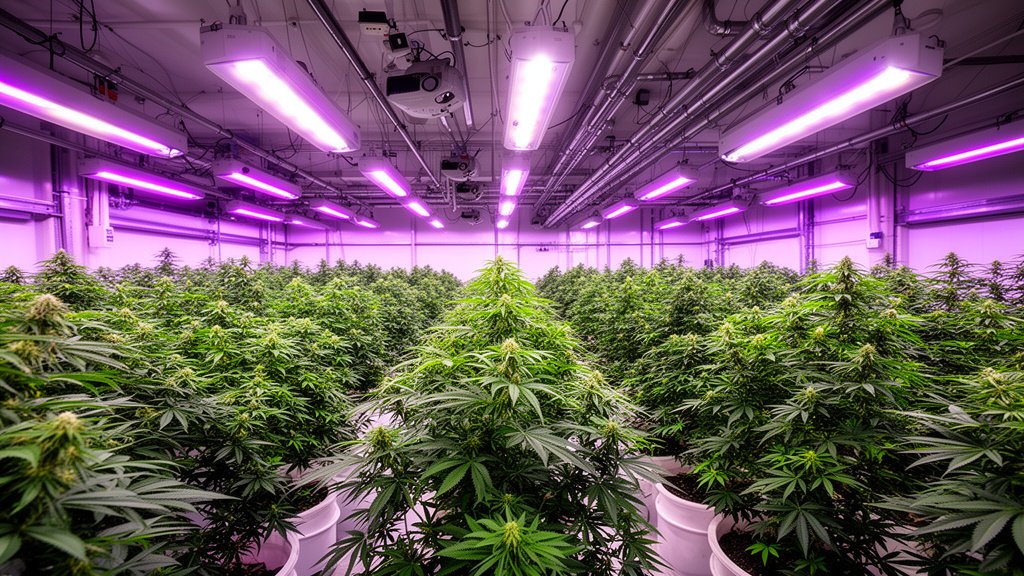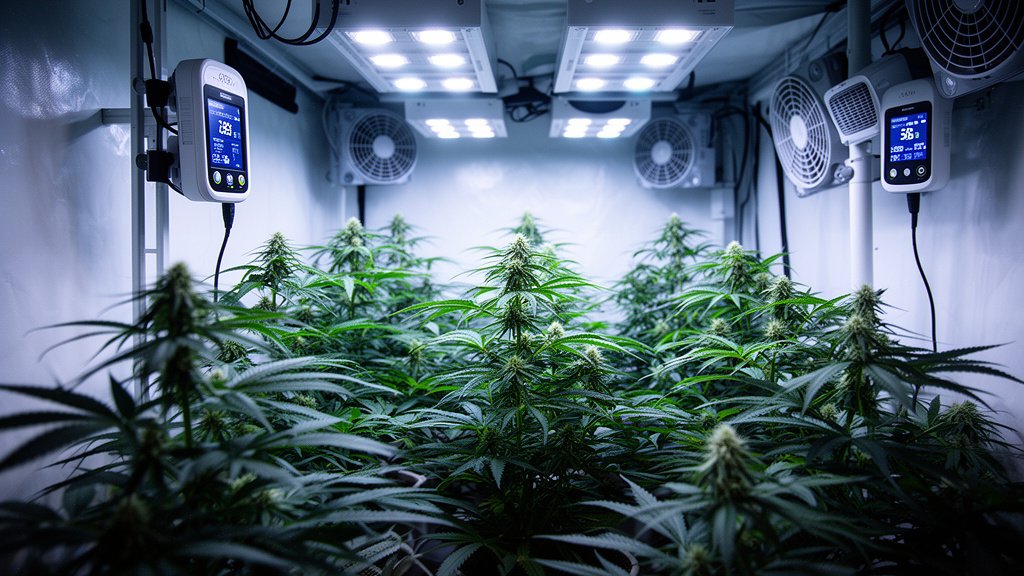
In 2026, the home cannabis cultivation landscape has shifted decisively away from synthetic chemical reliance. As indoor growers face increasingly resilient strains of spider mites and aphids, the modern standard for garden health is no longer ‘eradication’ after the fact, but ‘prevention’ through sophisticated Integrated Pest Management (IPM). For the high-yield home grower, the objective this year is to maintain pristine health by creating an environment so hostile to pests that infestation never takes root. The shift is marked by a move toward biological defense systems, automated climate monitoring, and the use of refined botanical extracts that ensure the final product remains contaminant-free and compliant with current consumer safety standards.
Key Highlights
- IPM First: Shift from reactive chemical spraying to proactive, biological defense strategies.
- Environment is Medicine: Leveraging Vapor Pressure Deficit (VPD) optimization to prevent the fungal and pest hotspots common in static grow environments.
Bio-Control Deployment: Strategic application of Phytoseiulus persimilis and Steinernema feltiae* as the gold-standard biological agents for 2026.
- Technological Integration: Utilizing AI-backed environmental sensors to detect humidity spikes that trigger pest reproduction before human eyes can spot them.
The 2026 IPM Protocol: Modernizing Indoor Crop Defense
The 2026 grower understands that an indoor tent is a closed-loop ecosystem. The primary error of the past decade was treating each pest outbreak as an isolated event to be ‘nuked’ with chemicals. Modern best practices dictate a tiered defense strategy, where physical barriers, environmental controls, and biological agents work in tandem.
Physical Barriers and Environmental Control
Before introducing a single beneficial insect, the modern grow tent must be fortified. HEPA-filtered intake fans are now considered standard equipment for any serious grower in 2026, effectively blocking 99.97% of particulates, including airborne pests and fungal spores. However, the most critical development in 2026 is the widespread adoption of precision Vapor Pressure Deficit (VPD) management. By maintaining VPD within the specific 0.8–1.2 kPa range during the vegetative stage, growers drastically reduce the likelihood of fungus gnats and mold. High humidity stagnation—previously the leading cause of pest proliferation—is now mitigated by AI-integrated climate controllers that adjust exhaust speeds in real-time, preventing the stagnant micro-climates where pests thrive.
The Rise of Biological Control Agents (BCAs)
Chemical pesticides, even organic ones, can leave residues that impact terpene profiles and flavor. Consequently, 2026 has seen a surge in the use of ‘Living Defense’ systems. Growers are now deploying Phytoseiulus persimilis—a highly aggressive predatory mite—at the first sign of spider mites. Unlike generic predators, P. persimilis is a specialist; it is faster and more efficient than its prey, often clearing an infestation in less than 72 hours. For soil-based pests, Steinernema feltiae nematodes are the definitive solution. When introduced into the root zone via irrigation, these microscopic roundworms actively hunt fungus gnat larvae. In 2026, the efficacy rate of properly managed nematode application has reached an estimated 94%, significantly outperforming traditional sticky traps or soil drenching methods.
Botanical Oils and Refined Bio-Pesticides
When physical and biological methods are insufficient, the 2026 protocol utilizes refined botanical oils. We are seeing a move away from crude neem oil, which can be heavy and detrimental to transpiration, toward lighter, more sophisticated formulations. Essential oils derived from rosemary, peppermint, and cinnamon, often micro-encapsulated for slow release, provide a potent barrier against aphids and broad mites without altering the plant’s final taste profile. These formulations are being tested for their specific terpene compatibility, ensuring that the pest control method does not inadvertently diminish the plant’s aromatic quality.
Secondary Angles: Sustainability and Economy
Environmental Impact: The 2026 movement emphasizes the reduction of agricultural runoff. By moving to biological controls, home growers are preventing the introduction of synthetic fungicides into local water systems, a growing concern for municipal environmental boards.
Economic Viability: The initial cost of a professional IPM program (nematodes, predatory mites, and sensors) is roughly 25% higher than purchasing chemical sprays. However, when factoring in the ‘loss of yield’—the value of crops destroyed by pests or failed lab testing due to chemical residue—the ROI for IPM is nearly 300% higher over a 12-month period.
The AI Prediction Model: We are seeing the early adoption of camera-based AI scanners inside tents. These devices use computer vision to identify the early ‘stippling’ pattern of spider mites on leaf undersides, alerting the grower via mobile app days before a visual infestation becomes apparent to the naked eye. This predictive technology represents the next frontier of organic security.
FAQ: People Also Ask
Q: Can I use predatory mites and botanical sprays at the same time?
A: No. It is strongly advised to wait at least 7-10 days after applying any botanical oil or bio-pesticide before introducing predatory insects. The residual oils can suffocate the beneficial mites you are trying to introduce.
Q: Are HEPA filters necessary if I have a secure room?
A: Yes. Pests like fungus gnats are often carried in on clothing or through standard intake vents. In 2026, medical-grade HEPA filtration is considered the most effective passive defense against recurring infestations.
Q: What is the most common mistake in organic pest control?
A: Over-watering. Most organic pest issues, particularly fungus gnats and root rot, are directly caused by soil that is kept too wet, creating an ideal breeding ground for larvae. Always ensure a wet-dry cycle in your substrate.
Q: Is organic pest control as effective as chemicals?
A: When implemented as a proactive IPM program, yes. While chemicals offer a ‘quick kill,’ they often create resistance in pest populations. Biological controls adapt to the environment, providing long-term, sustainable protection that does not fail over time.