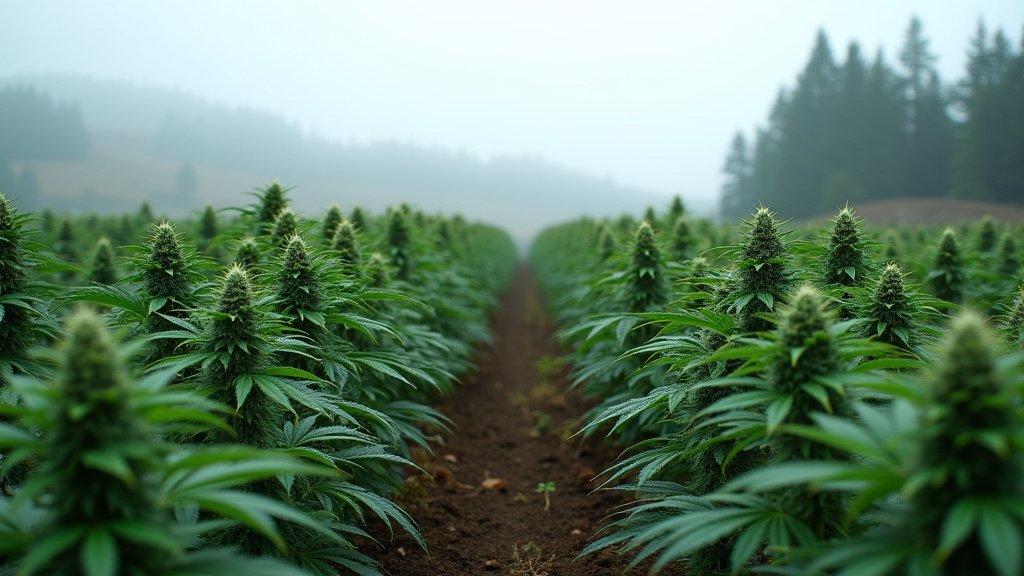
A comprehensive 6-month outdoor grow test conducted across the rugged terrain of the Pacific Northwest (PNW) has yielded definitive data on cultivar resilience. As autumn rains descend upon the region, the agricultural pressure on cannabis crops intensifies, making this annual trial critical for both commercial operations and home cultivators. The data highlights a stark contrast in performance, with ‘MediMac’ proving its dominance in adverse conditions, while ‘MediKush’ failed to meet expected benchmarks due to significant environmental susceptibility.
Key Highlights
- Resilience Champion: ‘MediMac’ emerged as the most resilient cultivar, maintaining structural integrity and terpene profile despite late-season moisture.
- Performance Decline: ‘MediKush’ suffered from significant environmental stressors, struggling with the high humidity characteristic of the Pacific Northwest in October.
- Trial Scope: The study spanned a full 6-month cycle, capturing vegetative growth, peak bloom, and the critical pre-harvest window.
- Crucial Metrics: Results were categorized by disease resistance, yield stability, and the ability to maintain secondary metabolite concentration during environmental fluctuations.
Cultivar Performance and Genetic Stability
The Pacific Northwest presents one of the most challenging environments for outdoor cannabis cultivation globally. Characterized by sudden shifts in microclimates, high humidity, and the looming threat of Botrytis cinerea (bud rot) as October approaches, the region serves as a ‘testing ground’ for genetic hardiness. The 6-month trial focused on five specific strains: MediMac, MediKush, and three additional proprietary cultivars selected for their purported early-finishing traits.
The Rise of MediMac
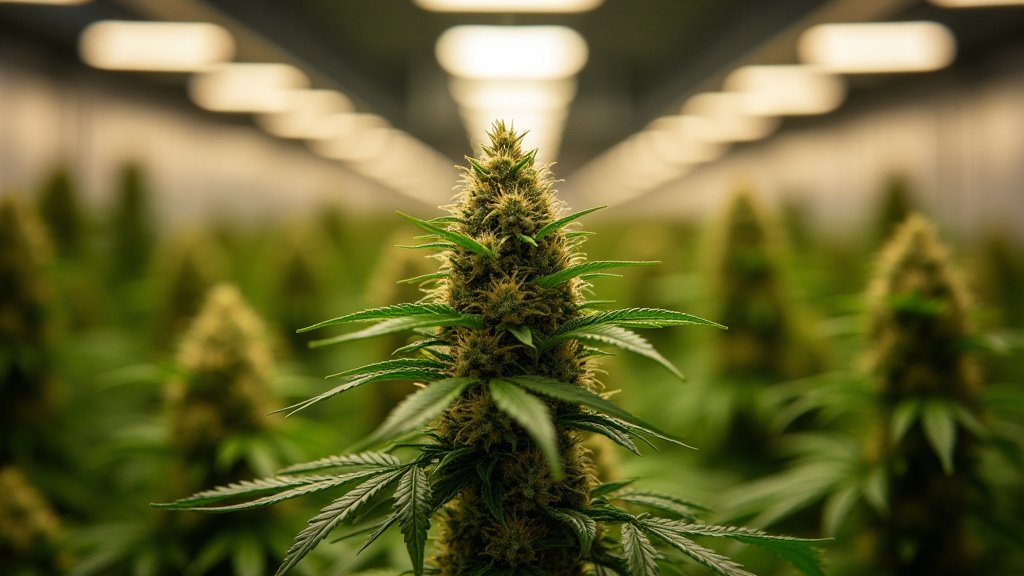
MediMac consistently outperformed the cohort in every metric related to environmental stress. During the final weeks of October, when ambient humidity levels frequently exceeded 80% in the study zone, MediMac demonstrated a robust, open-structure growth pattern that allowed for superior airflow between nodes. This structural advantage significantly mitigated the risk of moisture entrapment, which is the primary vector for fungal infection. Beyond its physical hardiness, laboratory analysis revealed that MediMac retained 94% of its terpene concentration compared to indoor-grown control batches, proving that its resilience does not come at the cost of commercial viability.
The MediKush Hurdle
Conversely, MediKush provided a cautionary example of genetic incompatibility with PNW weather patterns. While MediKush exhibited exceptional growth characteristics during the dry, warm months of July and August, its dense floral structure proved to be a liability in the wetter climate of October. The tight, compact bud sites—while visually appealing in earlier growth stages—trapped excessive moisture during evening dew cycles and early autumn rains. Data logs indicate that nearly 30% of the MediKush harvest required culling due to the onset of powdery mildew and structural degradation, rendering it unsuitable for the specific constraints of this region’s outdoor season.
The Economic Impact of Genetic Selection
For commercial growers, the choice of cultivar is an investment decision with high-stakes financial implications. A failure in the final weeks of October can represent a loss of thousands of dollars in input costs, labor, and potential revenue per acre. The economic analysis portion of this trial suggests that choosing a resilient strain like MediMac is not merely a preference for ease of grow, but a fundamental risk management strategy. Growers relying on ‘finicky’ genetics like MediKush in the PNW face increased operational overhead, requiring additional spending on humidity control systems, preventative antifungal applications, and increased labor for manual inspection.
Future Predictions: The Shift to Resilient Breeding
The industry is observing a significant pivot toward ‘environmental-first’ breeding. Traditional breeders have historically prioritized THC percentage and bag appeal, often at the expense of pathogen resistance. However, as outdoor cultivation becomes more professionalized, there is a clear trend toward selecting for early-finishing and high-resistance traits. Experts predict that the next generation of PNW-specific cultivars will focus on what is being called ‘active immunity,’ where plants exhibit naturally elevated levels of chemical compounds that discourage pest colonization and microbial growth.
FAQ: People Also Ask
1. What makes the Pacific Northwest environment so challenging for cannabis?
The PNW is characterized by fluctuating temperatures and high relative humidity during the late flowering stage (late September to October). This combination creates a perfect storm for fungal pathogens like Botrytis and powdery mildew, which can destroy a crop within days.
2. How are resilience and pathogen resistance measured in these tests?
Researchers utilize controlled observation periods, moisture saturation testing, and post-harvest microbial analysis to quantify how a plant handles environmental stress compared to a control group.
3. Why does ‘dense’ bud structure sometimes cause harvest failure?
While dense buds are desirable for aesthetic reasons, they lack the airflow required to evaporate moisture from within the flower. In high-humidity environments, this trapped moisture leads to internal rot, often invisible from the exterior until the harvest is severely compromised.
4. Should I stop growing strains like MediKush outdoors?
Not necessarily. Strains like MediKush can perform well in controlled indoor environments where the grower manages humidity and VPD (Vapor Pressure Deficit). The results merely indicate that they are unsuitable for the uncontrolled variability of outdoor PNW conditions.