On October 29, 2026, Washington, D.C. will host a pivotal convergence of cultural history and modern scientific innovation as the Tea Pad Foundation LTD presents ‘Tea Pad – After 90 Years, We’re Legal in D.C.!’ at the Higher Ground consumption lounge. This event serves as more than a celebratory gathering; it acts as a strategic networking summit designed specifically to empower women currently carving out careers in cannabis science, technology, engineering, and mathematics (STEM). As the legal landscape in the District continues to mature, this event aims to bridge the historical reverence for cannabis culture with the pressing need for professional development, research-driven innovation, and female leadership in the legal marketplace.
Key Highlights
- Date & Location: October 29, 2026, at the Higher Ground consumption lounge in Washington, D.C.
- Mission: A dedicated networking forum to advance women in cannabis STEM fields, ranging from plant pathology to regulatory policy.
- Cultural Significance: The event title honors the 90-year trajectory of the ‘Tea Pad’ concept, referencing the historical jazz-age venues where cannabis was part of the underground social fabric, now fully transitioned into a legal framework.
- Industry Focus: Facilitating connections between female scientists, policy analysts, and industry operators to foster future collaborative ventures.
The Renaissance of the Tea Pad: Merging History with Future-Forward STEM
The title ‘Tea Pad – After 90 Years, We’re Legal in D.C.!’ is not merely a catchy headline; it is a profound sociological statement. In the 1930s, ‘Tea Pads’ were the semi-secretive, vibrant hubs of the jazz era, where musicians and artists gathered. Today, the Tea Pad Foundation is reclaiming that heritage, not for illicit recreation, but as a platform for economic and scientific discourse. The choice of the Higher Ground consumption lounge is intentional. It represents the pinnacle of the modern, legal, and sophisticated cannabis experience that District lawmakers have finally authorized. By bringing the event to this specific venue, organizers are signaling that the future of the industry is no longer in the shadows but in the boardroom and the laboratory.
Why STEM Needs a Seat at the Table
While public perception of the cannabis industry often focuses on retail storefronts and celebrity brand endorsements, the real engine of the industry—and the most lucrative career path—is STEM. Women have historically been underrepresented in the scientific and technical facets of the agricultural and pharmaceutical sectors, and the cannabis industry is, unfortunately, no exception.
This event directly addresses the ‘gender gap’ in cannabis science. As the industry moves toward standardized testing, complex extraction methodologies, and pharmaceutical-grade formulation, the need for skilled female chemists, botanists, and data analysts has never been higher. By fostering a network specifically for women in these fields, the Tea Pad Foundation is creating a pipeline for talent that will define the quality and safety standards of the next decade of cannabis products.
Policy, Advocacy, and the D.C. Advantage
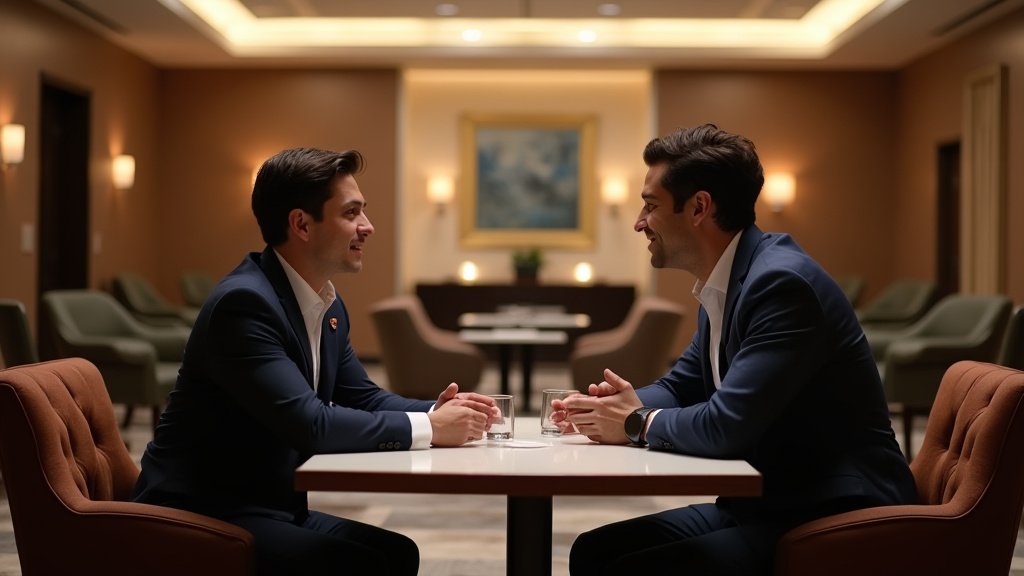
Washington, D.C. is unique in the global cannabis ecosystem. Because it is the seat of the federal government, the policy discussions happening in D.C. carry weight that extends far beyond the District lines. Networking at this event isn’t just about local business—it’s about engaging with the regulatory currents that influence interstate commerce and federal scheduling.
Female professionals in the policy and advocacy space are increasingly becoming the architects of the legal frameworks that govern this industry. The ‘Tea Pad’ networking session provides a rare, intimate environment where researchers can present their findings to policymakers, ensuring that the legislative path forward is grounded in objective, scientific evidence rather than political conjecture.
The Economic Implications of Professional Networks
Economic equity in cannabis is a frequently discussed but rarely realized goal. The Tea Pad Foundation’s initiative to provide a structured environment for networking creates tangible economic impact. Many of the barriers to entry for female entrepreneurs in the cannabis space are related to a lack of access to venture capital and technical mentorship. By facilitating direct connections between women in STEM and industry investors, the event acts as a venture catalyst. When a chemist meets a developer or an investor at an event like this, the potential for a new, diverse, and well-funded startup is born. This event, therefore, serves as an economic engine for the D.C. market.
The Venue: Higher Ground
Choosing Higher Ground as the venue for this initiative serves as a meta-commentary on the industry’s evolution. A consumption lounge is the intersection of commerce and experience. It is where the product is actually used, which keeps the industry’s focus squarely on user experience and safety—both of which are STEM-heavy topics. By hosting scientists in an environment that is so closely tied to the end-consumer experience, the organizers are closing the feedback loop between the laboratory and the lounge. This is the definition of a mature market.
FAQ: People Also Ask
1. What is the goal of the Tea Pad Foundation?
The Tea Pad Foundation focuses on education, advocacy, and professional networking within the cannabis space. Its goal is to destigmatize cannabis by highlighting its historical roots and supporting the professional growth of women in STEM and leadership roles.
2. Is this event open to the public or for industry members only?
While the event celebrates the industry’s progress, it is primarily geared toward professionals in the cannabis sector, including scientists, policymakers, entrepreneurs, and those interested in the advancement of women in technical fields. It is a targeted networking event.
3. Why is the focus on ‘Women in STEM’ significant for the cannabis industry?
The cannabis industry requires immense scientific rigor to ensure safety, efficacy, and product consistency. By elevating women in STEM, the industry gains access to a broader talent pool, which is essential for innovation and meeting increasing regulatory demands at both the local and federal levels.
4. What is the significance of the ’90 Years’ mention?
The ’90 Years’ reference acknowledges the approximate timeline since the prohibition era began (the mid-1930s), contrasting the historical suppression of cannabis with the modern-day legality and legitimacy the industry is finally achieving in the nation’s capital.