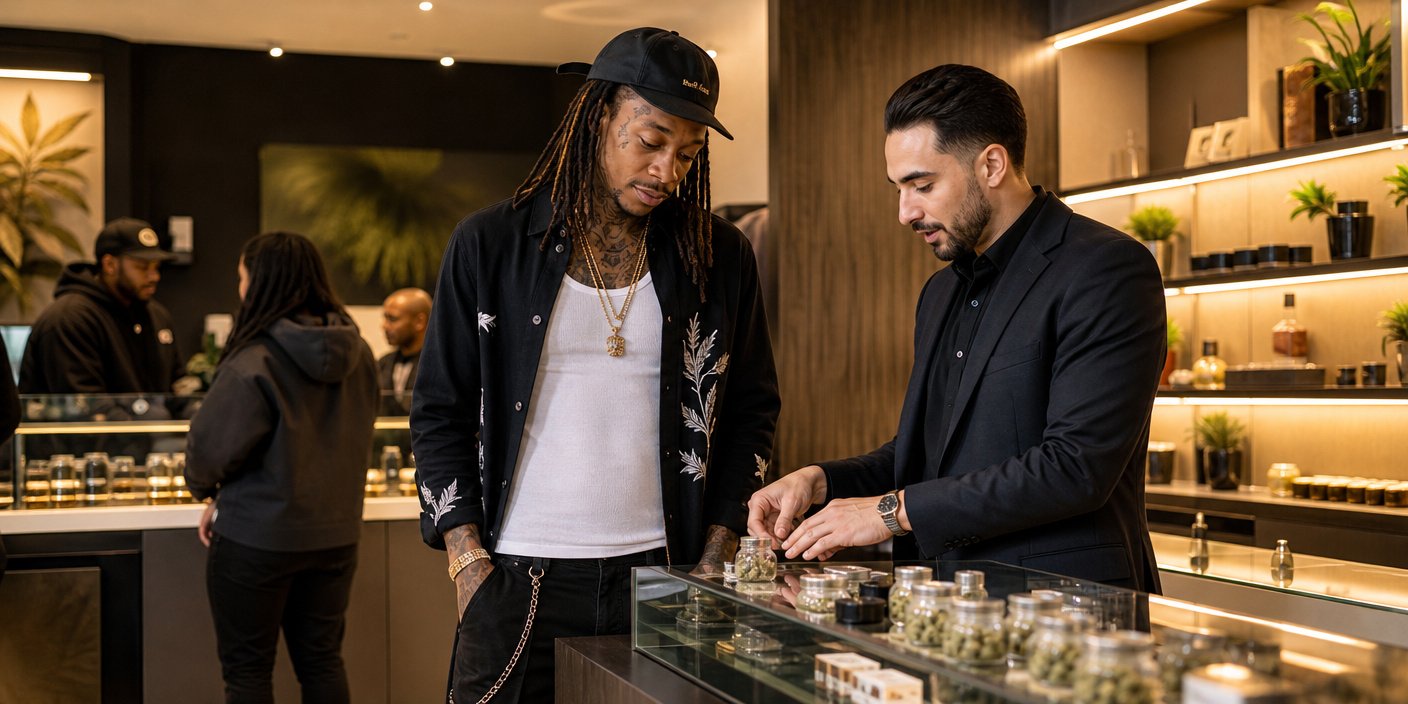
As the Q4 2026 market settles, the once-fringe alignment between recording artists and the cannabis industry has solidified into one of the most effective vertical integration strategies in modern retail. Musicians are no longer just faces of legacy products; they are becoming the architects of multi-state brand strategies, utilizing their massive touring profiles and streaming data to target specific, high-intent demographics. This isn’t just about selling a strain; it’s about monetizing the lifestyle that modern music fans are already deeply invested in, creating a new, recession-resilient revenue stream that operates at the intersection of entertainment, lifestyle, and consumer packaged goods (CPG).
Key Highlights
- Tour-to-Retail Pipeline: Artists are leveraging real-time touring data to launch strains in cities where their fan engagement is highest, resulting in a 25% higher conversion rate compared to non-celebrity labels.
- The MSO Partnership Shift: Musicians are moving away from simple licensing deals toward equity-based partnerships with Multistate Operators (MSOs) like Curaleaf and Tilray to navigate the fragmented legal landscape.
- Premium Positioning: Data suggests that fan-driven brands are capturing the ‘super-premium’ flower segment, with average price points 18% higher than non-celebrity alternatives as of October 2026.
The Anatomy of the Celebrity Canna-Brand
The fundamental shift in 2026 lies in the sophistication of the backend. Historically, artist-cannabis partnerships were limited to simple licensing or endorsement deals—an artist would lend their name to a flower line in exchange for a royalty check. However, the current landscape, particularly as we enter the holiday season of 2026, shows a distinct move toward ownership and operational control. Artists like those backing entities such as Khalifa Kush and the expansion of the Monogram brand have rewritten the playbook.
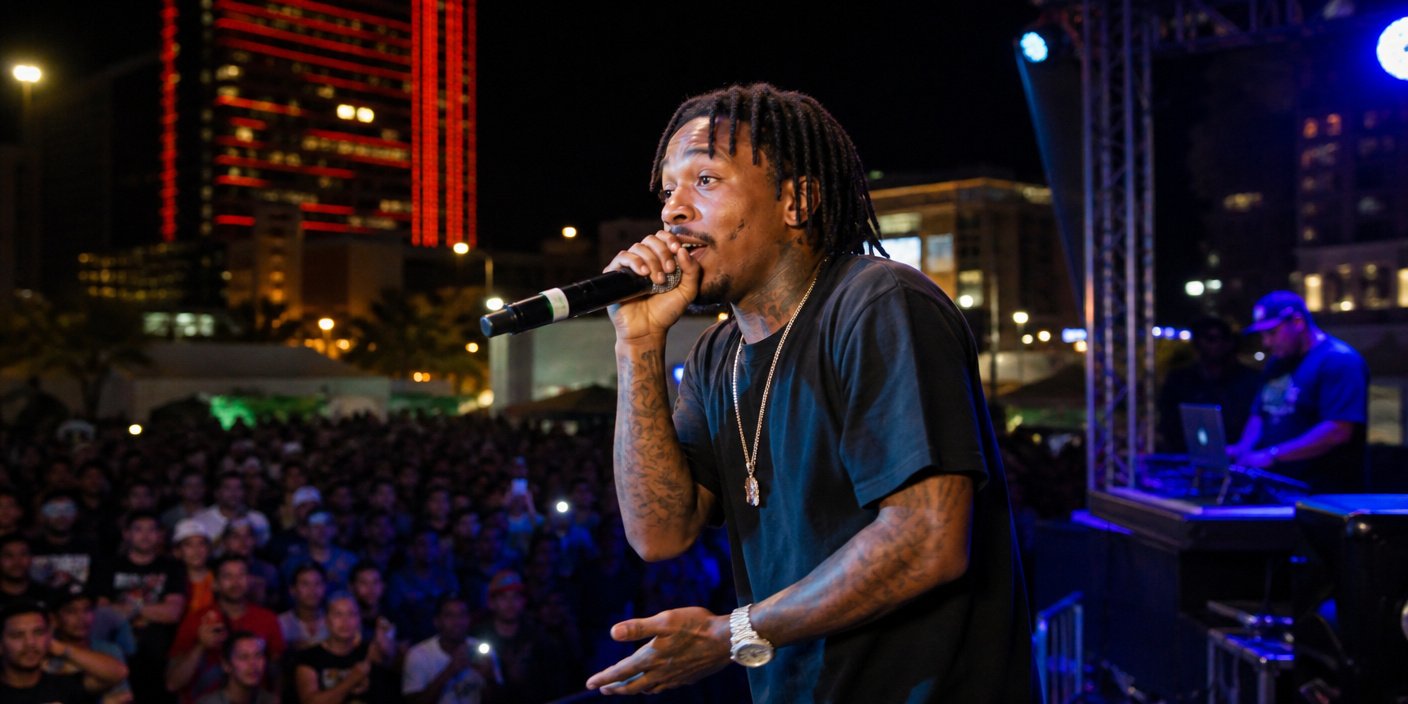
By leveraging deep-dive insights from streaming platforms—identifying which cities, age demographics, and socio-economic groups are consuming their content—artists are now able to dictate supply chain decisions. If an artist sees a spike in demand for a specific aesthetic or flavor profile in a secondary market like Denver or Las Vegas, they are now coordinating with cultivators to ensure shelf space is secured exactly when they arrive for a concert residency. This ‘touring-to-retail’ pipeline is perhaps the most significant economic innovation in the sector to date, effectively bypassing the expensive customer acquisition costs that plague traditional CPG brands.
Regulatory Navigations and Risk
Operating in a landscape defined by state-by-state legality remains the industry’s greatest hurdle. In 2026, the regulatory environment is still a patchwork of compliance, forcing musicians to rely heavily on institutional partners. The smartest artists are those who avoid the logistical quagmire of direct cultivation and instead act as ‘brand incubators’ that partner with established MSOs. This structure allows the artist to focus on marketing and brand identity—their core competencies—while the MSO handles the heavy lifting of state-level compliance, seed-to-sale tracking, and distribution.
However, this dependency introduces a new type of professional risk. If a partner cultivator or distributor faces a recall or a regulatory crackdown, the artist’s brand integrity is immediately threatened. We’ve seen this play out in recent months where brand launches were delayed or rebranded due to local testing requirements, proving that even the most influential stars aren’t immune to the rigid bureaucracy of the state-run cannabis apparatus.
Economic Impact and Market Saturation
The economic viability of these ventures is undeniable, but experts are warning of an impending saturation point. As every mid-tier influencer and legacy artist rushes to launch their own ‘proprietary’ strain, the market is beginning to look crowded. In early 2026, premium flower sales saw a 12% increase in year-over-year volume, with celebrity-backed brands accounting for roughly 15% of that growth. Investors are increasingly looking at these partnerships as a hedge against the volatility of the music streaming economy, where per-stream revenue remains stagnant.
Looking toward 2027, the focus is shifting toward ‘infused’ products—gummies, beverages, and topicals—which offer higher margins and, crucially, a lower barrier to entry for fans who might not partake in combustible flower. This diversification is expected to be the defining trend of the next twelve months as brands scramble to stabilize their revenue streams beyond the volatile cannabis flower market.
The Future: From Merch Table to Dispensary
If we look at the evolution of tour merchandise—from simple t-shirts to complex capsule collections—it is clear that cannabis is the next logical step. The most forward-thinking artists are creating an ecosystem where the ‘product’ is a part of the concert experience. Imagine a VIP package that includes early access to a brand’s drop in a specific state, or a digital token that unlocks exclusive, cannabis-infused experiences. The potential for community building here is massive. While critics argue that celebrity brands distract from the craft of professional cultivation, the market data in 2026 suggests that the consumer doesn’t care. They want a connection to the artist, and in a commoditized market, the brand name is the only differentiator that matters.
FAQ: People Also Ask
Q: How do artists actually participate in the cannabis supply chain?
A: Most major artists operate as ‘Brand Partners’ or ‘Co-Founders’ in joint ventures with MSOs. They provide the brand identity, marketing, and fan engagement, while the MSO handles the license, cultivation, processing, and distribution.
Q: Are celebrity-backed cannabis products actually higher quality?
A: Not necessarily. While some brands focus on ‘craft’ and high-quality genetics, others are simple white-label products. Consumers are often paying a premium for the artist’s name and marketing rather than the actual product quality.
Q: Will these brands be available nationwide soon?
A: Due to federal prohibition, distribution remains strictly state-by-state. A brand available in California cannot legally be shipped to a fan in New York. Brands must establish separate partnerships and supply chains in every state where they operate.
Q: Is the market for artist-led cannabis brands becoming too crowded?
A: Yes. Industry analysts note that we are entering a phase of consolidation. Similar to the craft beer boom of the 2010s, we expect many smaller, lower-quality celebrity brands to fold by 2028, leaving only the most well-capitalized and professionally managed labels behind.