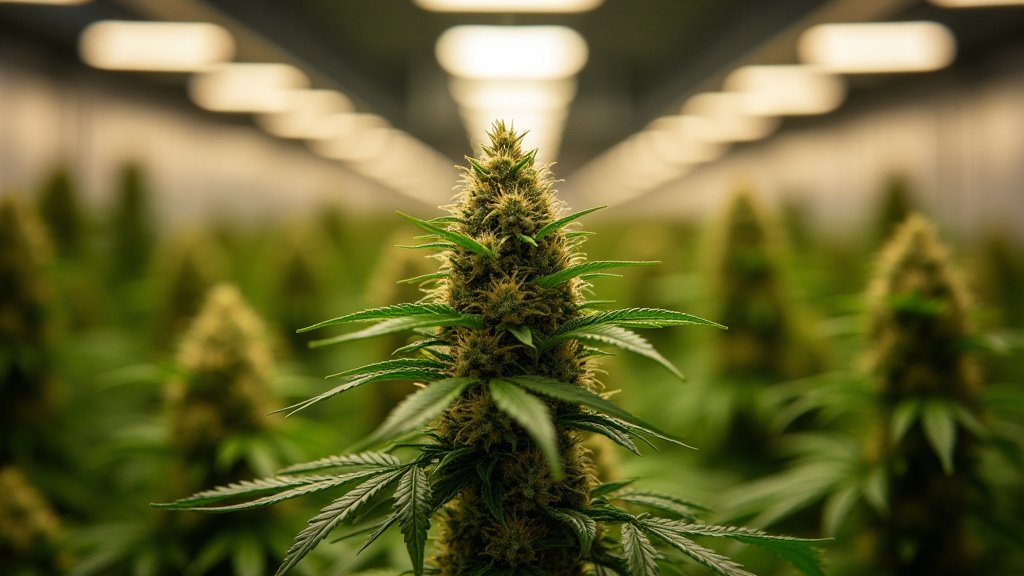
As of August 2026, the cannabis industry has reached a crucial inflection point. The decade-long obsession with maximizing THC percentages—often referred to as the ‘potency wars’—is rapidly cooling. Market analysis from major industry trackers, including the Cannabis Business Times and consumer data from Leafly, indicates a 15% decline in consumer interest for products marketed solely on high THC content. Instead, the modern cannabis connoisseur is prioritizing terpene profiles and specific functional outcomes. This transition reflects a maturing market where discerning users view cannabis less as an intoxicant to be maximized and more as a botanical tool for productivity, wellness, or restorative sleep.
Key Highlights
- The Potency Pivot: Consumers are shifting spending away from high-THC flower toward products with rich, complex terpene profiles.
- Functional Consumption: The market is now segmenting products by ‘intended outcome’ rather than strength, with ‘Productivity’ and ‘Sleep’ segments seeing double-digit growth.
- The Minor Cannabinoid Surge: Compounds like THCV and CBG are becoming the gold standard for experience-tuning, replacing the brute force of high-THC strains.
The Terpene Paradigm: Redefining Quality
The most significant trend defining the 2026 cannabis landscape is the widespread adoption of the ‘entourage effect’ in consumer decision-making. Historically, retail shelves were dominated by flowers boasting 30%+ THC levels. However, recent data suggests that such products often lead to ‘strain fatigue’ and diminished returns for the user.
The Science of Aromatics
Terpenes—the aromatic oils that determine the scent and effect of the plant—are now the primary metric for quality. Myrcene, for example, is being targeted by consumers seeking sedative, heavy-body relaxation, making it the cornerstone of the ‘Rest & Recovery’ product category. Conversely, Limonene and Terpinolene are driving the ‘Morning Focus’ segment, offering uplifting and energizing experiences that were previously ignored in favor of simple potency. Professional cultivators are now adjusting their crop cycles to preserve these volatile compounds, often drying and curing at lower temperatures to ensure that the final product retains a terpene concentration exceeding 2.5%.
Economic Shifts in Cultivation
The decline of the THC-percentage chase has forced a restructuring of the wholesale market. Craft cultivators who prioritize terpene-rich, low-yield strains are now commanding premium pricing, outperforming large-scale industrial growers who rely on quantity-focused, high-potency monocultures. This economic shift is favoring smaller, boutique operations that can provide detailed Certificates of Analysis (COAs) to retailers, proving that the ‘craft’ label is backed by chemical reality.
Understanding Functional Cannabis
The 2026 consumer is not looking for a uniform high; they are looking for a tailored experience. This has birthed the ‘Functional Cannabis’ category, where products are categorized by lifestyle application rather than strain name alone.
Productivity vs. Sleep: The New Taxonomy
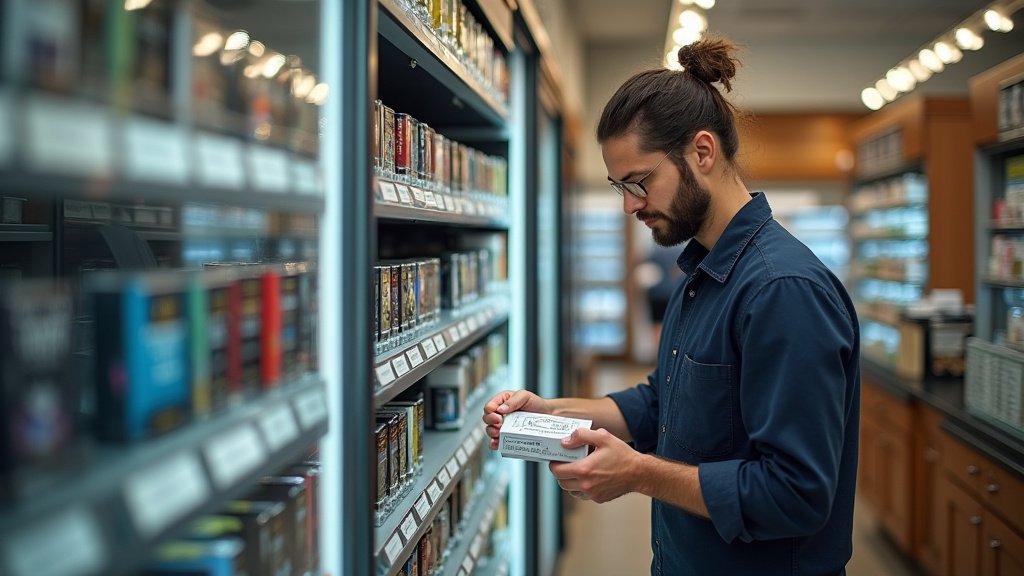
Dispensaries have reorganized their inventory systems to reflect this shift. Consumers can now walk into top-tier retail locations and choose from curated ‘Flow State’ bundles (featuring high concentrations of Pinene and Limonene) or ‘Deep Rest’ kits (dominated by Myrcene and Linalool). This categorization reduces the anxiety of choice paralysis, which was a significant barrier to entry for new, wellness-oriented cannabis consumers.
The Rise of Minor Cannabinoids
While CBD and THC remain the heavy hitters, 2026 has seen the mainstream emergence of THCV (Tetrahydrocannabivarin) and CBG (Cannabigerol). THCV is being marketed specifically for appetite suppression and focus, effectively capturing a demographic that previously avoided cannabis due to the ‘munchies’ or lethargy associated with traditional THC use. CBG, often called the ‘mother of all cannabinoids,’ is being paired with specific terpene profiles to aid in inflammation management and mood stabilization.
How to Shop: The New Consumer Protocol
For the modern user, the purchasing process has transformed from a casual transaction into an informed clinical decision. Navigating the 2026 market requires a shift in how one evaluates products.
Reading COAs Like a Pro
Before purchase, the savvy consumer is now checking the Certificate of Analysis (COA) for more than just the cannabinoid percentage. They are looking for the ‘Terpene Breakdown’ section. A high-quality COA in 2026 provides a detailed list of at least five major terpenes. If a product lacks this data, it is increasingly viewed as inferior or ‘legacy tech’ by knowledgeable buyers.
The Evolving Role of the Budtender
The role of the retail associate, or ‘budtender,’ has evolved into that of a consultant. In 2026, the best employees are not those who can recommend the ‘strongest’ strain, but those who can interpret a consumer’s desired outcome—whether that is managing chronic stress after a workday or enhancing a morning yoga practice—and suggest the appropriate terpene-cannabinoid combination. This educational approach has been formalized by the Association of Cannabis Specialists, which has begun certifying retail staff in terpene science.
FAQ: People Also Ask
Q: Why is THC percentage no longer the main indicator of quality?
A: Research shows that THC percentage is not a reliable predictor of the user experience. Two strains with identical THC levels can have vastly different effects depending on their terpene profiles. The industry has realized that cannabinoids provide the fuel, but terpenes steer the ship.
Q: What should I look for on a label in 2026?
A: Look for a comprehensive label that includes the terpene profile (e.g., Myrcene, Limonene, Caryophyllene) and, if available, minor cannabinoid content like THCV or CBG. Avoid products that only list THC percentage as the primary selling point.
Q: How do I know which terpene is right for me?
A: Start by identifying your desired outcome. For sleep and muscle relaxation, look for Myrcene-dominant profiles. For energy, focus, and creativity, seek out strains high in Limonene or Pinene. Keeping a ‘cannabis journal’ to track these profiles against your physical response is the gold standard for personal optimization.