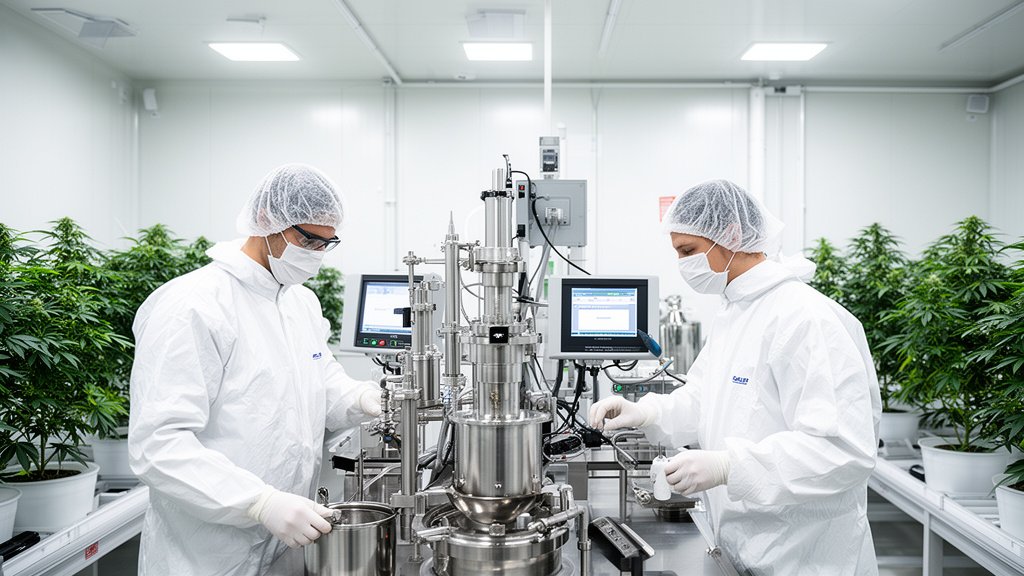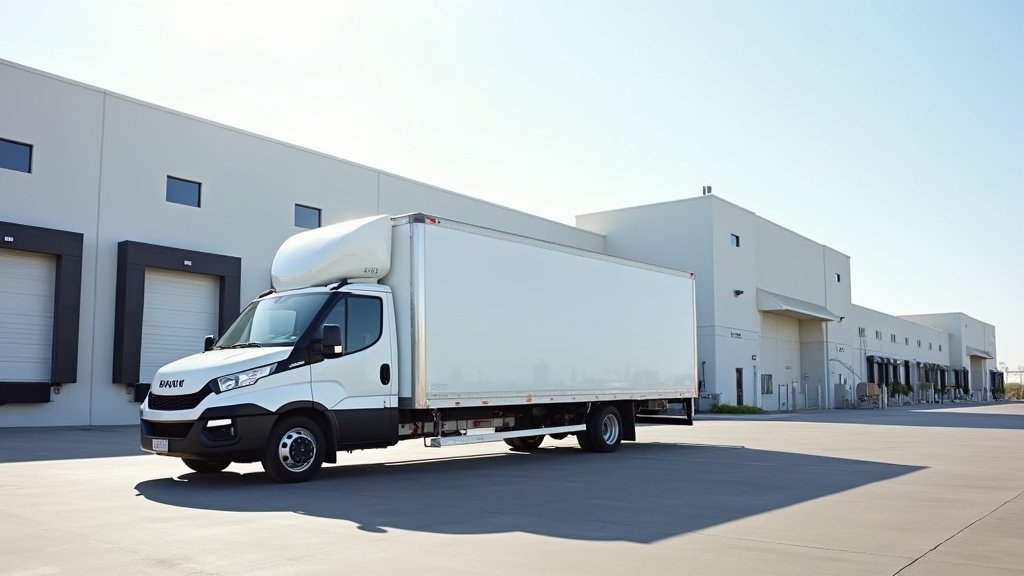
Cali Kosher, a recognized cannabis brand rooted in Stanislaus County, has officially announced the strategic re-launch of its direct-to-consumer delivery services. This expansion targets critical markets within the region, specifically Modesto, Oakdale, and Patterson. By re-establishing this logistics network, the company aims to bridge the gap between its high-quality product offerings and the daily convenience requirements of local residents, ensuring that safe, compliant, and reliable access to cannabis products is prioritized across the Central Valley.
Key Highlights
- Targeted Expansion: Cali Kosher is bringing direct delivery services back to residents in Modesto, Oakdale, and Patterson.
- Enhanced Accessibility: The initiative focuses on providing a streamlined user experience, allowing for home arrival of premium cannabis goods.
- Compliance Priority: All operations adhere to strict state regulations, ensuring age-verification and delivery security standards are maintained.
- Regional Commitment: The move reinforces Cali Kosher’s status as a staple organization within the Stanislaus County cannabis ecosystem.
Reclaiming the Local Market: Cali Kosher’s Strategic Expansion
The landscape of cannabis retail in California has undergone significant transformations over the past five years. While the initial “green rush” saw a proliferation of brick-and-mortar dispensaries, the industry is increasingly pivoting toward omni-channel experiences. Cali Kosher’s decision to re-launch delivery services in the Stanislaus County municipalities of Modesto, Oakdale, and Patterson is not merely an operational update; it is a calculated response to evolving consumer behavior and the geographical realities of the Central Valley.
Navigating the California Regulatory Landscape
Operating a cannabis delivery service in California requires navigating a complex web of compliance mandates set forth by the Department of Cannabis Control (DCC). Unlike standard retail, delivery introduces variables involving transit time, secure storage, and strict GPS-tracked inventory management. By re-launching these services, Cali Kosher demonstrates an investment in the backend infrastructure necessary to meet these stringent requirements. For the consumer, this translates to a reliable, legal, and verified supply chain. The company’s focus on these specific local hubs—Modesto, Oakdale, and Patterson—suggests a deep understanding of the local demographic’s demand for discretion, quality, and promptness.
The Consumer Shift: Why Delivery Matters
For many residents in Stanislaus County, the convenience of cannabis delivery is not a luxury but a necessity. The geographical spread of the county can make commuting to a physical dispensary time-consuming. By re-introducing delivery, Cali Kosher effectively “shortens the mile” for the customer.
Research indicates that cannabis consumers, particularly those in the medical segment, prioritize consistency and reliability. The ability to browse a menu online, confirm stock, and have products delivered directly to a residence removes the friction of parking, queuing, and potential supply shortages at local storefronts. This service level mirrors the broader “on-demand” economy that has permeated every other retail sector, from groceries to electronics.
Economic and Local Impact
This expansion provides a dual benefit: it increases the accessibility of products for the end-user while bolstering the local economy by optimizing the company’s regional workforce. By staffing delivery teams within Modesto, Oakdale, and Patterson, Cali Kosher is contributing to localized employment and creating a closed-loop economic system within Stanislaus County. This retention of activity—keeping the transaction, the service, and the employment within the local region—serves as a model for regional cannabis business health.
Secondary Angles: Future Implications
1. The Evolution of “Last-Mile” Cannabis Logistics:
The re-launch provides a case study in how cannabis brands are evolving their “last-mile” capabilities. As the market saturates, the differentiator is shifting from product price to service convenience. Future iterations of this model will likely incorporate predictive analytics to optimize delivery routes based on peak demand hours in Modesto and Oakdale, further reducing overhead costs and increasing speed.
2. The Brick-and-Mortar vs. Delivery Equilibrium:
A common question in the industry is whether delivery cannibalizes physical store sales. Evidence suggests a symbiotic relationship. Delivery captures the “convenience-seeking” shopper, while flagship dispensaries serve the “experience-seeking” shopper. Cali Kosher’s strategy appears to be one of market saturation, ensuring they capture both market segments simultaneously.
3. Long-Term Resilience in Central Valley:
Stanislaus County has historically been a critical hub for California’s agricultural output. As the cannabis industry matures, brands like Cali Kosher are positioning themselves as legacy businesses. Their ability to toggle services on and off—and effectively restart them—speaks to the organizational resilience required to survive the boom-and-bust cycles typical of the early legal cannabis market.
FAQ: People Also Ask
Q: What areas specifically will Cali Kosher serve with this re-launch?
A: The announcement explicitly lists Modesto, Oakdale, and Patterson as the primary communities benefiting from the renewed delivery infrastructure in Stanislaus County.
Q: Is the delivery service compliant with California state laws?
A: Yes, Cali Kosher operates under the regulations provided by the Department of Cannabis Control, adhering to all state-mandated security, age-verification, and inventory protocols.
Q: How does this service impact the local community?
A: Beyond convenience for residents, the re-launch supports local employment in the Stanislaus area, fostering economic activity by managing logistics, staffing, and operations within the county.
Q: Can customers track their orders?
A: While specific features vary by platform, modern cannabis delivery services in this sector typically utilize digital integration allowing for real-time tracking of orders to ensure consumer transparency and safety.