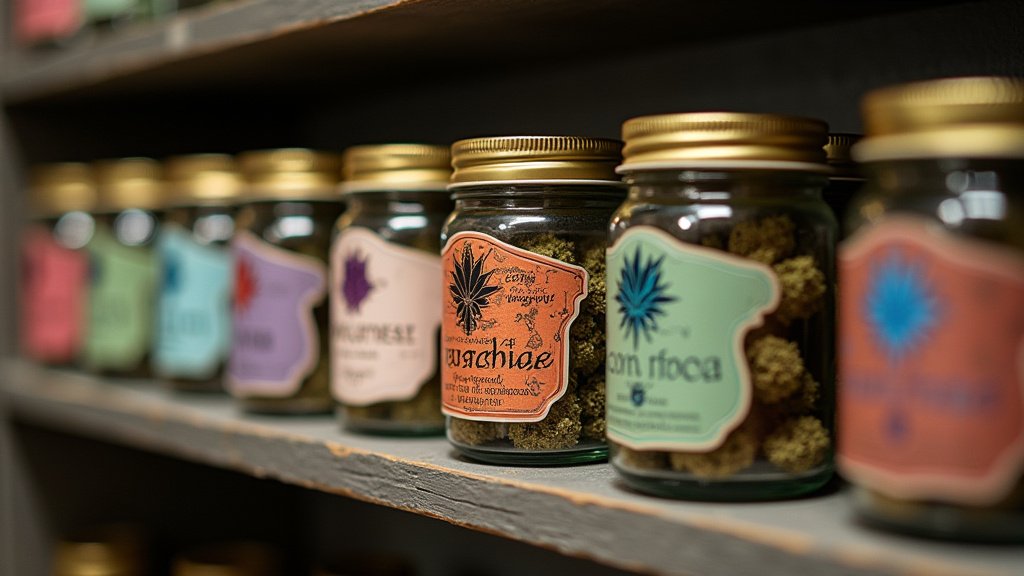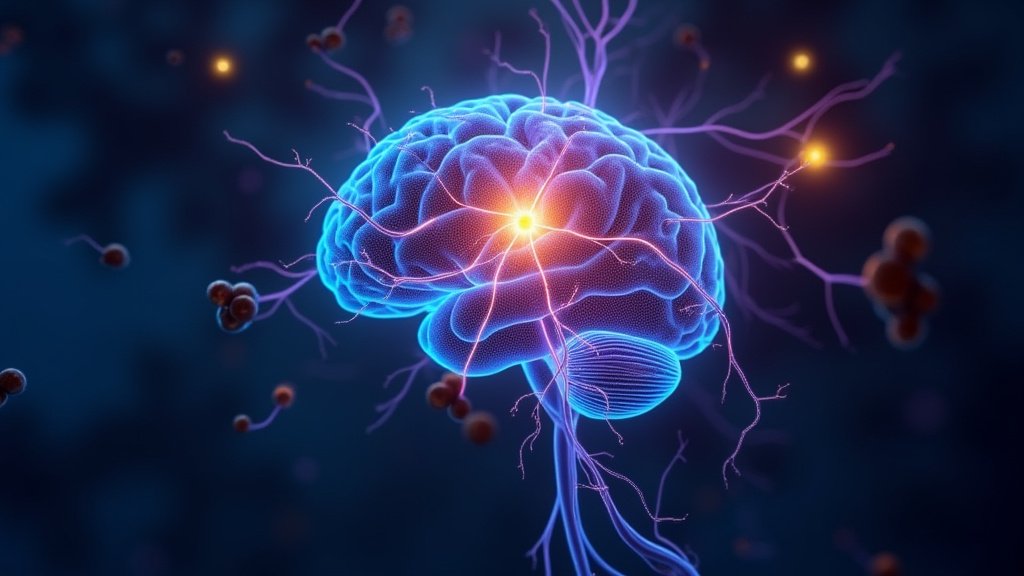
The “munchies” associated with cannabis use are more than just a stereotype; they’re a complex interplay of neurochemical responses and sensory perception. Research is increasingly shedding light on how cannabinoids, particularly THC, interact with the brain’s appetite-regulating systems, leading to heightened cravings for specific types of food, often those high in fat and sugar. This phenomenon is driven by the activation of cannabinoid receptors in areas of the brain responsible for reward and motivation, essentially hijacking the body’s natural hunger signals and amplifying the pleasure derived from eating.
Key Highlights:
- THC activates cannabinoid receptors, influencing appetite.
- Cannabis use can heighten cravings for palatable foods (high fat/sugar).
- The “munchies” are a scientifically explainable neurochemical response.
- Research explores the potential therapeutic applications of understanding these cravings.
The Neurobiology of “Munchies”
The feeling of intense hunger, commonly referred to as “the munchies,” is a well-documented effect of cannabis consumption. This is primarily driven by delta-9-tetrahydrocannabinol (THC), the psychoactive compound in cannabis. THC binds to cannabinoid receptors (CB1 receptors) in the brain, which are densely concentrated in areas that regulate appetite and pleasure, such as the hypothalamus and the nucleus accumbens. When activated, these receptors can stimulate appetite and enhance the sensory experience of eating, making food taste more appealing and rewarding. Studies have indicated that THC can increase olfactory signaling, making food smell more enticing, and can also influence the perception of hunger by signaling to the brain that the body needs fuel, even if it doesn’t.
Why Specific Foods?
It’s not just any food that becomes desirable; research suggests that cannabis, and specifically THC, often amplifies cravings for foods that are high in fat and sugar. These “hyper-palatable” foods are intrinsically rewarding. THC’s interaction with the endocannabinoid system appears to particularly enhance the pleasure derived from consuming such foods. Some theories propose this could be an evolutionary mechanism where cannabinoid receptors evolved to promote energy intake during times of scarcity. When THC activates these receptors, it can mimic or exaggerate these natural signals, leading to an intensified desire for calorie-dense foods. This is why individuals may find themselves craving pizza, ice cream, or chips after consuming cannabis.
Beyond Recreation: Therapeutic Implications
Understanding the science behind cannabis-induced cravings has significant implications beyond recreational use. For instance, the appetite-stimulating effects of cannabinoids are being explored for therapeutic purposes, such as in managing appetite loss associated with conditions like HIV/AIDS or cancer, or for patients undergoing chemotherapy. By targeting specific cannabinoid receptors, researchers aim to develop treatments that can help patients regain their appetite and improve their nutritional status without necessarily inducing psychoactive effects. Furthermore, the research into food cravings can inform strategies for managing eating disorders and obesity, by providing insights into the brain’s reward pathways and how they can be modulated.
Frequently Asked Questions:
Q: Does all cannabis cause the “munchies”?
A: While THC is the primary driver of the “munchies,” the intensity can vary based on the strain’s THC content, individual tolerance, and metabolism. Some strains with higher THC levels are more likely to induce strong cravings.
Q: Can CBD cause the “munchies”?
A: Cannabidiol (CBD), another major compound in cannabis, does not typically cause the “munchies.” In fact, some studies suggest CBD might even have appetite-suppressing qualities, though research is ongoing.
Q: Are the “munchies” a sign of addiction?
A: The “munchies” are a physiological effect of THC interacting with the brain’s appetite centers. While cannabis use disorder is a recognized condition, experiencing “munchies” is not in itself an indicator of addiction.
Q: How can I manage cannabis-induced cravings?
A: Strategies include staying hydrated, having healthy snacks readily available, engaging in mindful eating, and being aware of the time of day you consume cannabis. Some individuals find that consuming cannabis with CBD can help mitigate intense cravings.