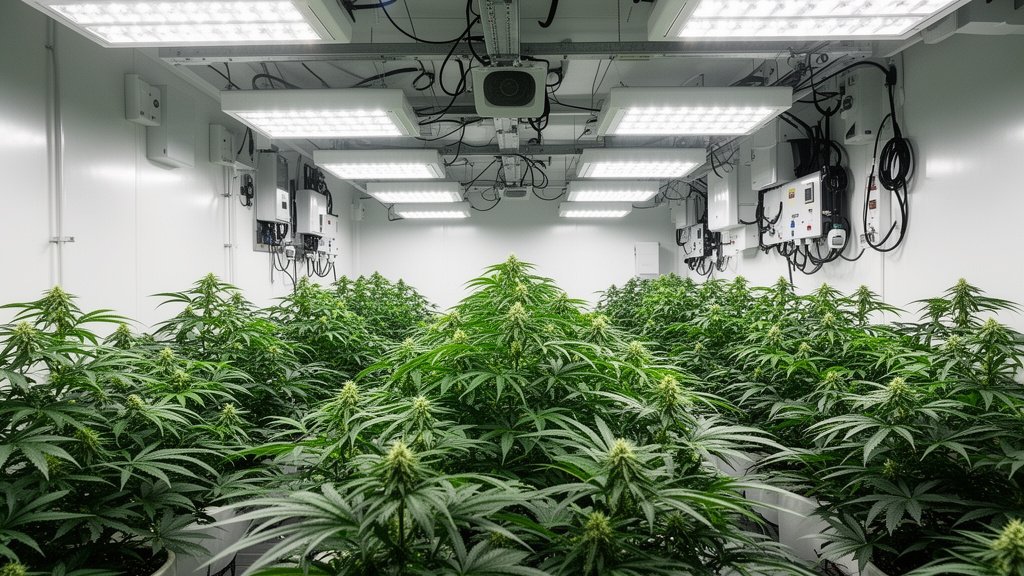
The burgeoning legal cannabis industry has experienced its first-ever decline in employment as the market navigates a period of maturation and consolidation. This shift signals a new phase for the sector, moving beyond rapid expansion to a more sustainable, albeit challenging, growth model.
Key Highlights:
- First recorded job losses in the legal cannabis sector.
- Market maturation leading to industry consolidation and efficiency drives.
- Challenges in regulatory environments and access to capital contributing to the downturn.
- Potential for future job creation in specialized areas as the market stabilizes.
Cannabis Sector Workforce Adjustment
The legal cannabis industry, once characterized by explosive growth and rapid hiring, is now facing a significant workforce adjustment. For the first time since its widespread legalization, the sector has reported a net decrease in jobs. This trend is largely attributed to the ongoing maturation of the market, which is forcing businesses to optimize operations, consolidate, and become more efficient to remain competitive. As the initial gold rush subsides, companies are re-evaluating their staffing needs, leading to layoffs in some areas while potentially creating opportunities in others that demand specialized skills.
Regulatory Hurdles and Financial Pressures
Several factors are contributing to this employment downturn. Complex and often inconsistent regulatory frameworks across different jurisdictions continue to pose significant challenges. These regulations impact everything from licensing and cultivation to distribution and sales, creating an unpredictable operating environment. Furthermore, limited access to traditional banking services and capital markets makes it difficult for many cannabis businesses to secure the funding needed for expansion or even sustained operations. This financial pressure often forces companies to reduce costs, with payroll being a common target.
Market Maturation and Consolidation
The maturation of the cannabis market is a natural progression for any industry. As it moves from a nascent stage to a more established one, the landscape inevitably shifts. Larger, well-capitalized companies are beginning to acquire smaller ones, leading to consolidation. This consolidation, while potentially increasing market stability and efficiency in the long run, often results in redundant positions and workforce reductions. The focus is shifting from broad-based growth to profitability and market share, requiring a leaner operational structure.
Evolving Skill Demands
While some roles may be reduced, the evolving nature of the cannabis industry also points to new and emerging employment opportunities. As the market matures, there is a growing demand for specialized expertise in areas such as compliance, advanced cultivation techniques, product development, data analytics, and brand management. Companies are seeking highly skilled professionals who can navigate the complex legal landscape, optimize production, and develop innovative products. This suggests that while overall job numbers may temporarily decline, the quality and specialization of roles are likely to increase.
FAQ: People Also Ask
What is causing the job losses in the cannabis industry?
The primary driver is market maturation, leading to industry consolidation and a focus on operational efficiency. Regulatory challenges and financial pressures also contribute to companies needing to cut costs, often impacting payroll.
Is this a sign of the cannabis industry failing?
Not necessarily. It’s more indicative of a market transition from rapid, often unsustainable, growth to a more stable and mature phase. Many industries experience workforce adjustments as they evolve.
What types of jobs are most affected?
Jobs related to entry-level cultivation, retail, and administrative support may be more vulnerable during consolidation phases. However, demand for specialized roles is expected to grow.
What are the future prospects for employment in the cannabis sector?
While there may be short-term job losses, the long-term outlook remains positive, particularly for those with specialized skills in compliance, technology, marketing, and advanced cultivation. The industry is expected to continue growing, albeit at a more measured pace.
How do regulations impact cannabis industry employment?
Complex and changing regulations create operational uncertainty and increase compliance costs, which can strain a company’s financial resources and lead to staffing reductions or hiring freezes.